Category: Uncategorized

  • IHGF Delhi Fair Spring 2026

    IHGF Delhi Fair Spring 2026

    IHGF Delhi Fair Spring 2026

    Executive Overview of the Delhi Fair for Global Buyers

    The upcoming Delhi Fair scheduled from 14th – 18th February 2026 stands as one of the most influential sourcing platforms for international buyers traveling to India. Hosted at the India Expo Centre & Mart in Greater Noida, the exhibition connects global retailers, wholesalers, distributors and private label brands with thousands of export-ready Indian manufacturers across home décor, handicrafts, furnishings, furniture, fashion accessories and lifestyle categories.

    For procurement teams planning yearly buying cycles, IHGF Delhi Fair Spring 2026 functions as a centralized sourcing hub. Instead of traveling city to city searching for factories, buyers gain access to curated suppliers in a structured B2B environment. Product discovery, supplier evaluation and negotiation occur simultaneously under one roof, creating a highly efficient procurement ecosystem.

    This guide explains how buyers can prepare, navigate and convert exhibition meetings into long-term partnerships with operational support from Panoramic Exports.


    Strategic Trade Significance of the 61st IHGF Delhi Fair Spring 2026

    Organized by the Export Promotion Council for Handicrafts, the 61st Edition of IHGF Delhi Fair Spring 2026 continues India’s leadership in design-driven export manufacturing. Over decades, the exhibition has evolved into a global benchmark for handcrafted lifestyle goods and creative industrial production.

    This edition will feature:

    • 3000+ manufacturers and exporters
    • 2000+ new product expressions
    • 300+ design developments
    • 16 curated product categories

    For international buyers, the Delhi Fair compresses months of supplier scouting into a single venue. Innovation, craftsmanship and production capability become visible side by side, enabling structured supplier comparison.

    Official exhibition details:
    https://www.ihgfdelhifair.in/


    Verified Exhibition Information for Visiting Buyers

    Detail

    Information

    Dates 14 – 18 February 2026
    Timings 09:00 AM – 06:00 PM IST
    Venue India Expo Centre & Mart, Greater Noida
    Edition 61st IHGF
    Exhibitors 3000+
    Entry Trade visitors aged 18+

    Pre-registration is mandatory:
    https://www.ihgfdelhifair.in/register

    The strict trade-entry policy ensures that the Delhi Fair remains a professional environment designed exclusively for commercial exchange.


    Professional Pre-Travel Preparation Framework

    Commercial value depends heavily on preparation. Because the exhibition spans multiple halls and sectors, structured planning is essential.

    Recommended preparation actions:

    • Register early online
    • Study hall segmentation
    • Book accommodation near Greater Noida
    • Define sourcing objectives
    • Prepare supplier evaluation criteria
    • Carry business credentials

    Treating IHGF Delhi Fair Spring 2026 as a structured sourcing mission improves time efficiency and decision clarity.

    For buyer assistance:

    Email: merchandiser@panoramicexports.com
    WhatsApp: +91 9810535863
    Enquiry form: https://panoramicexports.com/contact-us/


    On-Site Navigation Strategy for Buyers

    The first day should focus on mapping the exhibition. Buyers who commit too early risk overlooking stronger suppliers later.

    Effective navigation includes:

    • Walking priority halls first
    • Photographing shortlisted booths
    • Recording pricing comparisons
    • Asking about MOQ and capacity
    • Scheduling follow-up meetings

    A disciplined approach transforms the Delhi Fair into a controlled sourcing workflow.


    Structured Supplier Assessment During Meetings

    The Delhi Fair provides rare face-to-face access to factory leadership. Professional buyers apply structured evaluation frameworks during conversations.

    Key evaluation criteria:

    • Manufacturing capability
    • Export experience
    • Quality consistency
    • Communication clarity
    • Customization flexibility
    • Pricing transparency

    Objective comparison reduces sourcing risk and strengthens post-fair decisions.


    Market Trend Intelligence and Design Signals

    Beyond supplier meetings, IHGF Delhi Fair Spring 2026 acts as a global trend observatory. Buyers gain early visibility into color palettes, materials and design directions influencing upcoming retail seasons.

    Trend exploration zones include:

    • Innovation pavilions
    • Sustainability showcases
    • Material experimentation
    • Cross-cultural design influences

    This intelligence aligns sourcing decisions with future market demand.


    Post-Exhibition Conversion Workflow

    The commercial impact of the exhibition depends on disciplined follow-up after travel.

    Recommended steps:

    • Rank suppliers immediately
    • Request verified samples
    • Conduct background checks
    • Confirm timelines
    • Clarify payment structure

    Systematic execution converts exhibition leads into operational partnerships.


    Panoramic Exports Buyer Support Framework

    The scale of the Delhi Fair can overwhelm even experienced procurement teams. Identifying the right partners within limited time requires structured filtering. Panoramic Exports operates as an on-ground execution partner, transforming a complex visit into a focused sourcing operation.

    Core advantages include:

    • Structured exhibitor shortlisting
    • Time-optimized meeting schedules
    • Category-focused targeting
    • Objective vendor comparison
    • Reduced decision fatigue

    Pre-Exhibition Target Planning
    Panoramic maps exhibitor categories, shortlists manufacturers and schedules structured meetings to maximize productive engagement.

    Real-Time On-Site Coordination
    On-site support ensures translation clarity, pricing benchmarking and organized documentation.

    Post-Meeting Execution Continuity
    Sampling coordination, inspection planning and supplier follow-up convert meetings into measurable sourcing progress.


    Export Readiness and Production Reliability

    The exhibition allows buyers to confirm export preparedness directly with manufacturers. Compliance discussions about labeling, packaging durability, certifications and shipping documentation can be clarified face-to-face.

    Buyers should evaluate:

    • Export documentation capability
    • Packaging standards
    • Production scalability
    • Lead time consistency
    • Quality control systems

    Early verification reduces shipment risk and improves long-term reliability.


    Sustainability and Innovation Focus

    IHGF Delhi Fair Spring 2026 highlights eco-conscious production and ethical manufacturing. Buyers increasingly prioritize sustainable sourcing and the exhibition reflects this global shift.

    Highlights include:

    • Sustainable material zones
    • Ethical production showcases
    • Innovation-driven design sections
    • Permanent showroom access
    • Expanded international presence

    The exhibition functions as both a sourcing hub and a sustainability benchmark.


    Long-Term Strategic Value of Attendance

    Beyond immediate orders, annual attendance builds commercial continuity. Buyers return to strengthen supplier partnerships and monitor industry evolution.

    Benefits include:

    • Relationship continuity
    • Market intelligence
    • Negotiation leverage
    • Quality benchmarking
    • Supplier trust development

    The Delhi Fair is part of an ongoing sourcing strategy, not a one-time visit.


    Commercial Negotiation Environment at the Delhi Fair

    The exhibition creates a controlled environment where commercial negotiations happen face-to-face, accelerating decision cycles and reducing ambiguity. Buyers can clarify pricing structures, customization flexibility and order terms instantly instead of relying on extended email chains. This direct interaction allows both sides to evaluate seriousness, operational readiness and long-term compatibility within minutes.

    Because meetings occur in a professional B2B setting, conversations move quickly from product presentation to commercial feasibility. Buyers can validate whether a supplier understands export expectations, payment structures and production commitments. The negotiation atmosphere is structured, time-sensitive and results-driven — ideal for procurement professionals working under tight schedules.

    Key negotiation advantages include:

    • Direct access to factory decision-makers
    • Immediate pricing comparison across suppliers
    • Real-time MOQ and production clarity
    • Faster agreement on customization terms
    • Clear communication on timelines
    • Reduced dependency on intermediaries
    • Better transparency in commercial expectations

    Export Logistics Alignment and Shipment Planning

    A major benefit of attending IHGF Delhi Fair Spring 2026 is the ability to align logistics strategy before production begins. Buyers and manufacturers can discuss packaging methods, shipment scheduling and documentation requirements during early conversations, minimizing operational surprises later. Face-to-face coordination improves clarity, especially when dealing with international freight standards.

    Export discussions at the exhibition often extend beyond shipping timelines. Buyers can assess whether suppliers understand labeling compliance, packaging durability for long transit and customs documentation accuracy. These operational conversations are critical because logistics failures typically occur due to early misalignment rather than production defects.

    Logistics planning topics include:

    • Export packaging durability
    • Container optimization strategies
    • Lead time planning
    • Compliance documentation readiness
    • Freight coordination methods
    • Transit risk management
    • Handling and storage standards

    Competitive Benchmarking and Market Positioning

    Trade fairs provide a rare environment where buyers can benchmark suppliers side by side within the same day. This proximity allows immediate comparison of pricing, craftsmanship and production sophistication. Procurement decisions become data-driven rather than impression-based, strengthening purchasing confidence.

    Beyond pricing, benchmarking helps buyers evaluate how suppliers position themselves within global markets. Observing presentation style, design innovation and operational professionalism provides insight into long-term partnership potential. These signals influence not only product selection but also brand positioning strategy.

    Benchmarking benefits include:

    • Accurate market pricing visibility
    • Product quality comparison
    • Trend alignment with competitors
    • Supplier capability evaluation
    • Strategic product differentiation
    • Stronger negotiation leverage
    • Improved long-term sourcing decisions

    Conclusion

    The Delhi Fair remains one of the most efficient gateways into India’s export manufacturing ecosystem. It compresses months of supplier scouting into a single professional marketplace.

    With structured preparation and Panoramic Exports support, the exhibition becomes a strategic investment in sustainable, long-term sourcing partnerships.


    FAQs

    1. Who can attend the exhibition?
    Registered trade visitors aged 18+.

    2. Is pre-registration mandatory?
    Yes, through the official IHGF website.

    3. What products are showcased?
    Home décor, handicrafts, fashion accessories, furnishings and lifestyle goods.

    4. Can small buyers participate?
    Yes, many exhibitors support flexible order sizes.

    5. How does Panoramic Exports assist buyers?
    Through on-ground sourcing support and supplier coordination.

  • Impact of President Trump’s 100% Tariff on Chinese Imports: What Exporters Need to Know

    Impact of President Trump’s 100% Tariff on Chinese Imports: What Exporters Need to Know

    By November 2025, President Trump announced a sweeping new 100% tariff on selected Chinese imports, escalating trade tensions between the two largest economies. This dramatic tariff hike aims to counter China’s recent export restrictions on rare earth minerals critical to high-tech manufacturing, including semiconductors and electric vehicles. For exporters, especially those in India and other global markets, understanding this development is essential to navigating the evolving trade landscape and identifying new business opportunities.

    What Is the 100% Tariff and Why Was It Imposed?

    The new tariff doubles existing duties on a broad range of Chinese goods, targeting sectors that are strategically important for technology and manufacturing supply chains. President Trump’s administration justified this move as a response to China’s tightened controls on rare earth elements, which are crucial for producing advanced electronics and green technologies. The tariffs also come alongside planned U.S. export controls on critical technology software, aiming to limit China’s access to cutting-edge resources.

    How Exporters Are Affected

    The immediate impact is higher costs and reduced competitiveness for products sourced from China. Many U.S. companies are expected to pass these increased costs onto consumers, which may dampen demand. For exporters outside China, especially Indian manufacturers and suppliers, this tariff escalation could present both challenges and opportunities:

    • Supply Chain Shifts: Companies may look to diversify sourcing away from China to countries with competitive costs and stable supply chains, which could boost demand for Indian exports.

    • Market Uncertainty: Volatility in trade policies may slow down international orders as buyers adopt a wait-and-see approach.

    • Cost Pressures: Exporters involved in products linked to affected sectors might face indirect effects from disrupted supply chains or tariff-passed costs by their suppliers.

    Strategic Opportunities for Exporters

    Despite the uncertainties, exporters can capitalize on the changing landscape by:

    • Highlighting their products as reliable alternatives to Chinese imports in terms of quality and cost.

    • Enhancing digital marketing efforts to reach U.S. and global buyers seeking diversified suppliers.

    • Staying informed about evolving tariff regulations to ensure compliance and anticipate market shifts.

    • Exploring niche markets in green technology and electronics where rare earth dependency is critical.

    Looking Ahead

    The 100% tariff signals a firm stance by the U.S. in its trade policy, but also opens the door for negotiations and phased resolutions in the coming months. Exporters who remain agile, informed, and proactive can not only mitigate risks but also leverage new demand dynamics created by these geopolitical shifts.

    In conclusion, while the tariff landscape grows complex, it also unlocks pathways for exporters to position themselves as key players in global supply chains that are reconfiguring in real time. Staying ahead with strategic planning and market intelligence is paramount for success in this evolving environment.

  • Top Manufacturer and Exporter for Raffia and Woven Products in Noida

    Top Manufacturer and Exporter for Raffia and Woven Products in Noida

    Raffia bags and woven products are trending globally for their sustainable, eco-friendly nature combined with stylish aesthetics and practicality. If you are a business owner, boutique, fashion brand, or designer in the USA, Europe, or Asia looking to manufacture or source animal motif raffia bags in bulk, Noida, India, is a prime location. Panoramic Exports stands out as a leading manufacturer and exporter with over 25 years of experience delivering high-quality, ethically made products.

    Unique Animal Motifs Raffia Bags

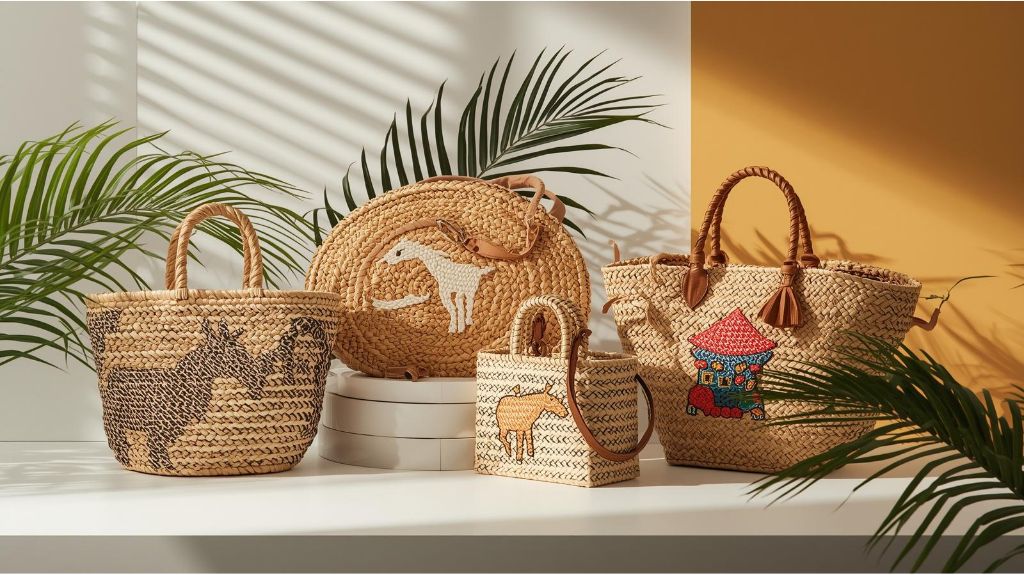
    Panoramic Exports has carved a niche by offering unique animal motif designs on raffia bags. These motifs, ranging from elephants to birds and butterflies, add charm and storytelling to the products, resonating with customers seeking meaningful and artistic accessories. Crafted by skilled artisans, these bags blend Indian traditional craftsmanship with contemporary global trends.

    Animal Motifs Raffia Bags
                                          Manufacturer and Exporter of Animal Motifs Raffia bags

    Global Reach and Customization

    Panoramic Exports exports to major markets including the USA, Europe, and Asia, serving fashion brands, boutiques, and designers looking for eco-friendly and trendy accessories. The company offers flexible manufacturing options with small order quantities starting from 100 pieces, making it ideal for both emerging brands and established retailers. Customization services enable clients to align designs with their brand identity and seasonal collections.

    Why Choose Panoramic Exports?

    • 25 years of industry experience with a proven track record
    • Sedex certification reflecting ethical manufacturing and sustainability
    • Extensive product range from raffia to woven and leather goods
    • Skilled craftsmanship combined with modern design sensibilities
    • Customized manufacturing for personalized client needs
    • Efficient export capabilities to USA, Europe, and Asia

    Conclusion

    Panoramic Exports in Noida is your trusted partner for premium, handcrafted raffia and woven bags with exclusive animal motif designs. Their commitment to quality, ethical business, and customization options make them a preferred choice for global fashion markets seeking eco-friendly and stylish products. Partner with Panoramic Exports to bring sustainable, beautiful, and meaningful fashion accessories to your customers.

    FAQ

    Q1: What materials are used in Panoramic Exports raffia bags?
    A1: We use eco-friendly biodegradable paper raffia, combined with skilled craftsmanship to create durable and stylish bags.

    Q2: Can Panoramic Exports handle custom designs and small orders?
    A2: Yes, the company offers flexible manufacturing options with order quantities starting from 100 pieces, including custom animal motif designs.

    Q3: Which countries does Panoramic Exports export to?
    A3: Panoramic Exports exports primarily to the USA, Europe, and Asia.

    Q4: Is Panoramic Exports committed to ethical practices?
    A4: Yes, as a Sedex-certified company, Panoramic Exports adheres to ethical manufacturing and social responsibility standards.

  • Customized Leather Goods & SMETA Compliant Accessories Exporter from India

    Customized Leather Goods & SMETA Compliant Accessories Exporter from India

    Panoramic Exports is a reputable manufacturer and exporter of raffia bags, fashion accessories, and leather goods, with operations based in Noida and Kolkata, India. As a Sedex-certified company, Panoramic Exports upholds ethical business practices and ensures consistent high quality and reliability in all its products.

    Premium Leather Goods and Extensive Product Range

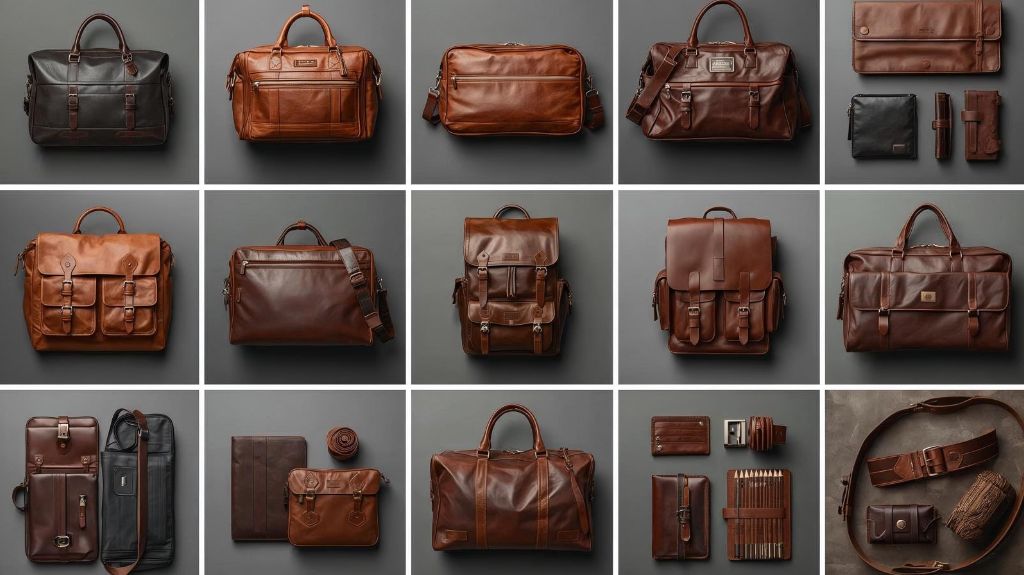
    Headquartered in Noida, Panoramic Exports has positioned itself as a leading leather manufacturer and exporter serving clients primarily in the USA and other international markets. The company combines traditional craftsmanship with modern techniques to produce a wide variety of superior leather products. Their product range includes leather handbags, fashion bags, duffle bags, crossbody bags, backpacks, office or portfolio bags, laptop sleeves, document holders, belts, wallets, and aprons – each meticulously crafted by experienced artisans with attention to quality and detail.

    Customized Leather Goods & SMETA Compliant Accessories Exporter from India
    Customized Leather Goods & SMETA Compliant Accessories Exporter from India

    High-Quality Materials and Customization

    Panoramic Exports sources leather only from reputable tanneries, ensuring that all materials meet stringent quality standards. They specialize in various types of leather including Aniline, Drum-dyed, Nappa, Nubuck, Suede, and Cow Split leather sourced from lamb, goat, cow, and buffalo. The company offers a variety of surface treatments and customizations such as washing, vintage effects, coloring, braiding, weaving, foiling, and embroidery, enabling them to deliver highly customized leather goods that cater to diverse customer preferences.

    Ethical Certifications: Sedex and SMETA Compliance

    As a Sedex-certified company, Panoramic Exports commits to sustainable and ethical manufacturing processes. Sedex certification represents a standard for responsible business practices, ensuring transparency and social accountability in the supply chain. The company is also SMETA (Sedex Members Ethical Trade Audit) compliant, a globally recognized auditing program that assesses social compliance, ensuring the company meets rigorous standards in labor rights, health and safety, environmental performance, and business ethics.

    WRAP Compliance for Responsible Production

    Panoramic Exports aligns its operations with WRAP (Worldwide Responsible Accredited Production) standards, further emphasizing its commitment to lawful, humane, and ethical manufacturing. WRAP certification is a trusted mark for buyers seeking factories with responsible production practices, including compliance with local laws, safe workplace environments, fair treatment of workers, and environmental responsibility.

    Seamless Partnership for Global Buyers

    For businesses in the USA and around the world looking for a dependable leather manufacturer and exporter, Panoramic Exports provides a smooth experience from product development to delivery. Their focus on quality, ethical compliance, and customer satisfaction makes them a preferred partner in the leather goods industry.

    Conclusion

    Panoramic Exports exemplifies quality and ethical standards as a customized leather goods manufacturer and SMETA-compliant accessories exporter from India. Their Sedex certification, SMETA compliance, and WRAP alignment affirm their dedication to transparency and responsible manufacturing. For global businesses seeking premium leather products crafted with integrity and expert craftsmanship, Panoramic Exports is the trusted choice.

    Frequently Asked Questions (FAQ)

    Q1: What types of leather does Panoramic Exports use?
    They use Aniline, Drum-dyed, Nappa, Nubuck, Suede, and Cow Split leather from lamb, goat, cow, and buffalo.

    Q2: What products are offered by Panoramic Exports?
    Products include leather handbags, duffle bags, backpacks, belts, wallets, laptop sleeves, aprons, raffia bags, and fashion accessories.

    Q3: What does Sedex certification mean?
    Sedex certification reflects responsible and ethical business practices in labor rights, environmental sustainability, and supply chain transparency.

    Q4: What is SMETA compliance?
    SMETA is an ethical trade audit verifying social compliance related to workers’ rights, safety, environment, and business ethics.

    Q5: What is WRAP compliance?
    WRAP (Worldwide Responsible Accredited Production) ensures factories meet lawful, humane, and ethical manufacturing standards.

    Q6: Where is Panoramic Exports located?
    Their manufacturing facilities and offices are in Noida and Kolkata, India.

  • Top 10 Reasons Raffia & Macrame Bags Are Your Must-Have Sustainable Style in 2025

    Top 10 Reasons Raffia & Macrame Bags Are Your Must-Have Sustainable Style in 2025

    Sustainable fashion is transforming the industry in 2025, and raffia and macrame bags are taking center stage as stylish, eco-friendly accessories that appeal to conscious consumers worldwide. These handcrafted bags beautifully combine nature’s raw elegance with modern design, making them essential for any wardrobe. If global buyers are looking for quality manufacturing and ethical sourcing, Panoramic Exports stands out as a trusted partner known for its craftsmanship, sustainable practices, and tailored service. Here’s why raffia and macrame bags are must-haves this year—and why Panoramic Exports should be your go-to manufacturer and exporter.

    1. Eco-Friendly and Biodegradable Materials

    Crafted from natural fibers like paper raffia, these bags are fully biodegradable and renewable, making them an excellent sustainable alternative to synthetic and leather bags. Their use supports environmental conservation by reducing waste and carbon footprint.

    1. Lightweight and Durable Design

    Raffia and macrame bags are not only lightweight and easy to carry but are also crafted for durability. Their sturdy construction ensures long-lasting use, making them practical for everyday wear and travel.

    1. Handmade Artisan Craftsmanship

    Each bag is meticulously handcrafted by skilled artisans, resulting in unique textures and artistic designs. This hands-on approach preserves traditional skills and adds cultural value to every piece.

    1. Versatility for Every Occasion

    From beach trips to summer outings and casual daily wear, these bags complement any style. Their natural look pairs well with a wide range of outfits, adding both function and fashion flair.

    1. Supporting Ethical and Fair Trade Practices

    By choosing raffia and macrame bags, buyers support ethical employment, fair wages, and artisan communities. Panoramic Exports is Sedex-certified, reflecting its commitment to responsible, transparent business practices.

    1. Customization and Flexible Order Quantities

    Panoramic Exports offers customized designs tailored to your brand’s identity and values. With small minimum order quantities (starting from 100 pieces), even emerging brands can create exclusive sustainable collections.

    1. Extensive Product Range

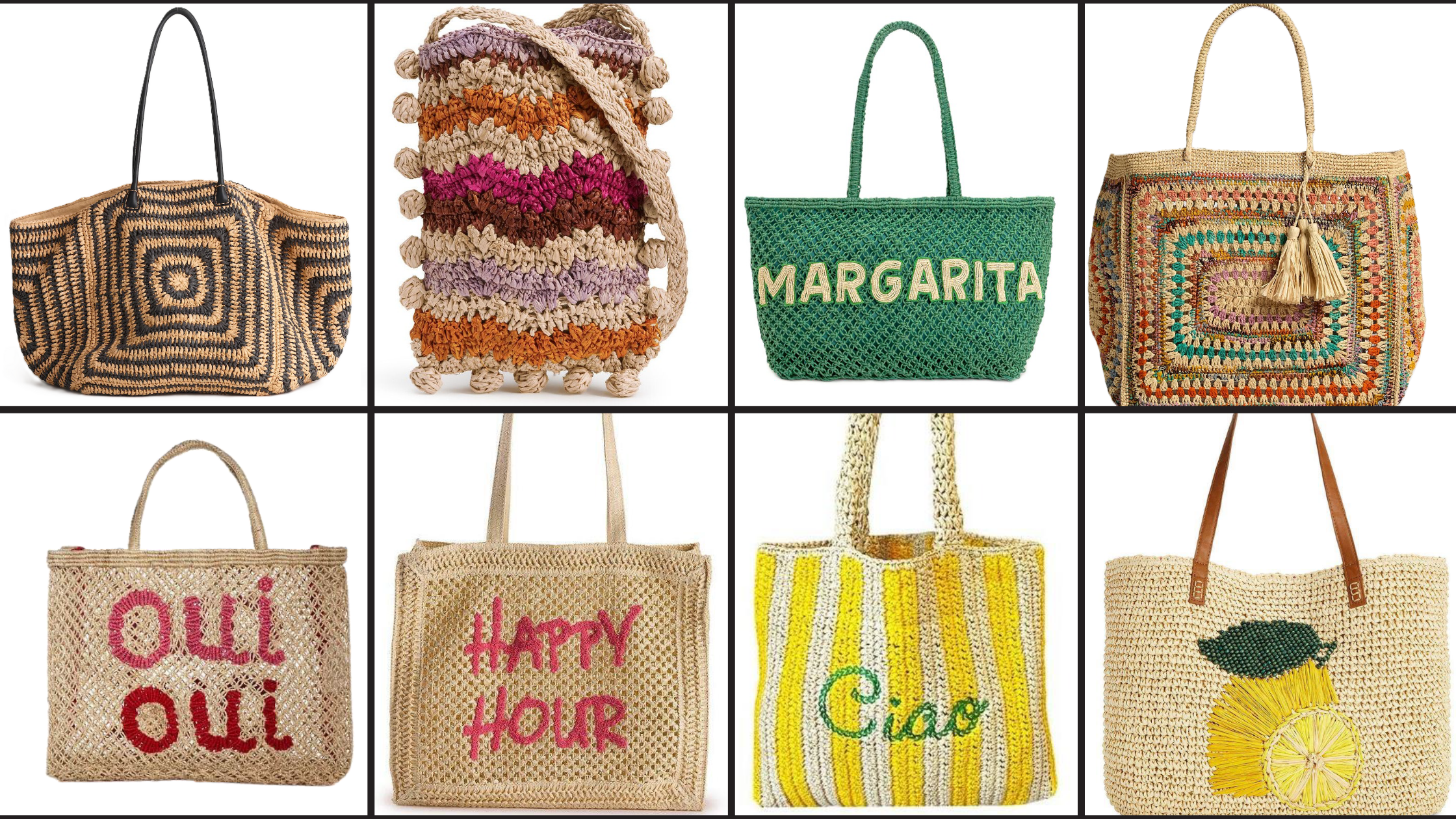
    Panoramic Exports produces a wide variety of natural raffia products, including summer bags, beach bags, resort bags, crochet bags, and handwoven options—perfect for warm-weather looks and vacation styles.

    1. Strong Global Export Network

    With over 25 years of experience and manufacturing units in Noida and Kolkata, Panoramic Exports caters to global fashion brands, especially in the USA and Europe, delivering high-quality products with reliable timelines.

    1. Integration of Modern Technology with Traditional Craft

    The company blends state-of-the-art manufacturing processes with traditional handcrafting techniques, ensuring consistent quality and scalable production without compromising artisan heritage.

    1. Commitment to Sustainability and Corporate Social Responsibility

    As a Sedex-certified company, Panoramic Exports adheres strictly to social, ethical, and environmental standards, making it a preferred partner for brands focused on sustainability.

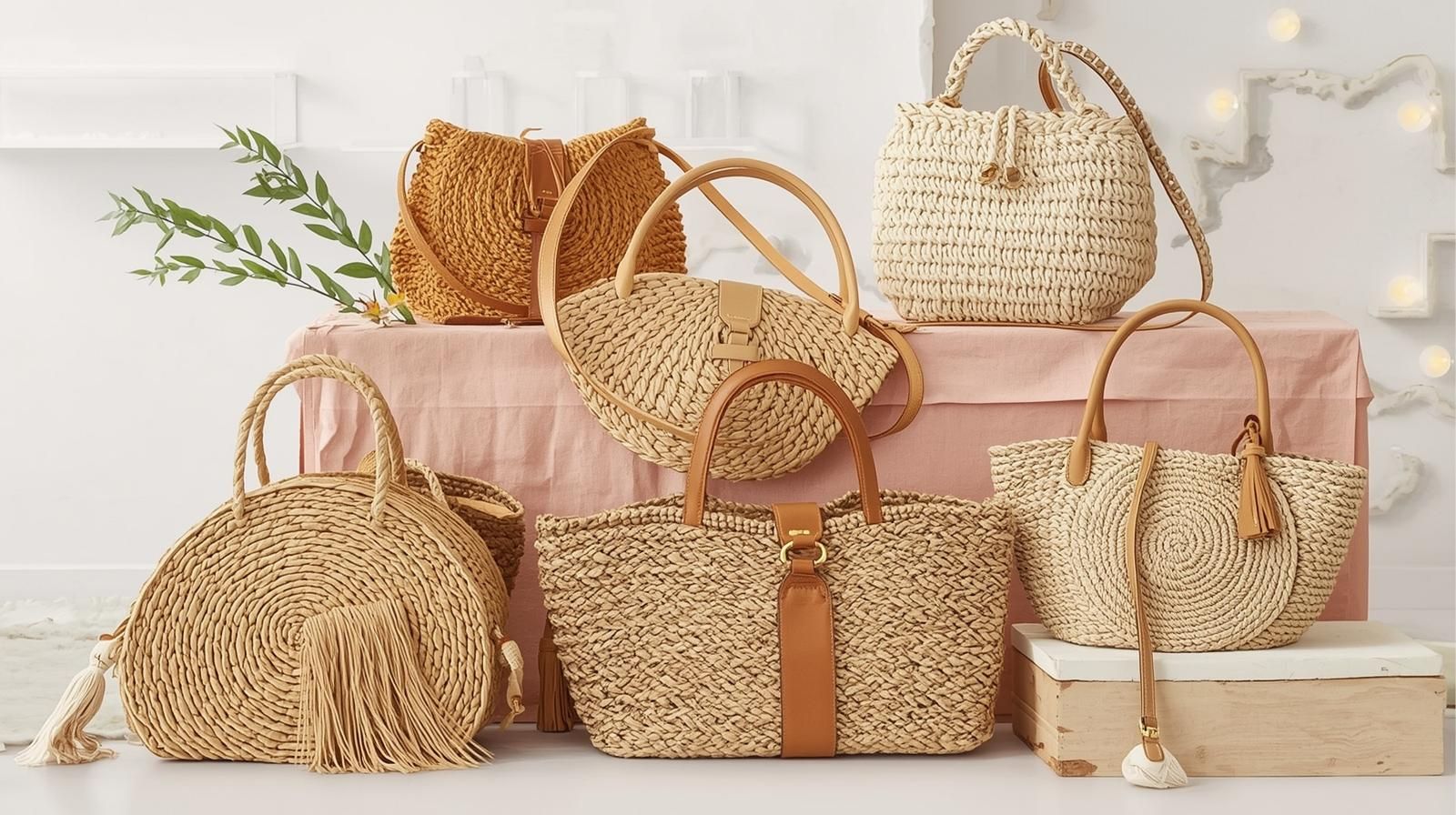
    Raffia & Macrame Bags Are Your Must-Have Sustainable Style in 2025
    Raffia & Macrame Bags Are Your Must-Have Sustainable Style in 2025

    Why Global Buyers Should Choose Panoramic Exports for Raffia and Macrame Bags

    Panoramic Exports is your trusted partner in crafting eco-friendly fashion accessories that marry quality, cost-effectiveness, and sustainability. With two decades of expertise, modern manufacturing facilities, and expert artisans, we deliver high-quality raffia bags tailored to your brand’s vision. Our Sedex certification guarantees ethical business operations, and our flexible minimum orders enable brands of all sizes to tap into the eco-conscious market. From bespoke designs to reliable global exports, choosing Panoramic Exports means partnering with a manufacturer dedicated to excellence and responsible fashion.

    Conclusion

    In 2025, raffia and macrame bags are more than just trendy accessories—they are emblematic of a global shift towards sustainable and conscious fashion. These durable, lightweight, and artisanal bags are perfect for consumers who value style with a purpose. Panoramic Exports offers unparalleled expertise in manufacturing and exporting these eco-friendly bags while championing ethical practices and craftsmanship. For global buyers seeking quality, customization, and responsible sourcing, partnering with Panoramic Exports is a smart choice to bring sustainable fashion to customers worldwide.


    Frequently Asked Questions (FAQ)

    Q1: What materials are used in raffia and macrame bags?
    A1: Raffia bags are made from biodegradable paper raffia fibers, while macrame bags use natural cotton cords or similar eco-friendly fibers, all sourced sustainably.

    Q2: Are raffia and macrame bags durable enough for daily use?
    A2: Yes, these bags are lightweight yet strong, with meticulous handcrafting ensuring durability for everyday wear and diverse climates.

    Q3: Can Panoramic Exports customize bag designs?
    A3: Absolutely. Panoramic Exports offers flexible customization options and small order quantities starting from 100 pieces, catering to various brand requirements.

    Q4: How does Panoramic Exports ensure ethical manufacturing?
    A4: The company is Sedex-certified, adhering to social compliance, ethical sourcing, and sustainable business practices to ensure responsible production.

    Q5: Where are Panoramic Exports’ manufacturing units located?
    A5: Panoramic Exports operates a leather tannery in Kolkata and a manufacturing unit in Noida, India, blending traditional and modern techniques.

    Q6: Which markets does Panoramic Exports serve?
    A6: The company primarily exports to global markets including the USA and Europe, serving fashion brands, boutiques, and designers worldwide.

  • Sedex certified leather goods exporter India

    Sedex certified leather goods exporter India

    Panoramic Exports, based in Noida and Kolkata, India, is a highly respected manufacturer and exporter of raffia bags, fashion accessories, and leather goods. With 25 years of industry experience and Sedex certification, Panoramic Exports is recognized for combining premium craftsmanship with ethical, sustainable business practices.

    Why Choose a Sedex-Certified Leather Goods Exporter from India?

    Sedex certification marks a commitment to global standards for ethical and responsible supply chains. For international buyers, this means suppliers like Panoramic Exports have passed rigorous checks for working conditions, labor rights, and environmental responsibility—supporting both business and social goals.

    Panoramic Exports: Your Source for Ethical Leather Goods

    Extensive Product Line:

    • Leather goods: handbags, duffle bags, portfolio bags, laptop sleeves, passport covers, belts, aprons, and small leather items
    • Fashion bags: raffia, macrame, jute, cotton, beaded, and wooden styles
    • Accessories: fashion jewelry, hair bands, and more

    Core Strengths:

    • Sedex Certified:Ensures verified compliance with international ethical and sustainability standards.
    • Sustainable Operations:Focus on eco-friendly materials, waste reduction, and energy efficiency.
    • Quality Assurance:Advanced checks, innovative design, and artisanal craftsmanship.
    • Trusted Global Partner:Serving boutique brands, major retailers, and new businesses with reliability and flexibility.
    • Customer Focus:Tailored solutions, from bespoke items to volume orders.

    Sustainability guides every process, from ethical material sourcing to transparent supply chains. Panoramic Exports upholds social responsibility while ensuring outstanding quality and reliability—the hallmarks of long-term business partnerships for buyers worldwide.

    Conclusion

    Partnering with Panoramic Exports offers global buyers the confidence of Sedex-certified ethical sourcing, consistent quality, and a robust, diverse catalog of leather goods and fashion accessories. For brands seeking style, reliability, and a positive impact, Panoramic Exports stands out as a leading leather goods exporter from India.

    FAQ

    Q1: What does Sedex certification mean for leather goods exporters?
    A1: It confirms that the exporter meets international standards for ethical labor practices, worker safety, and supply chain transparency.

    Q2: What leather goods does Panoramic Exports offer?
    A2: Handbags, duffle and portfolio bags, belts, aprons, laptop sleeves, passport covers, and small leather goods.

    Q3: How are ethical and sustainable practices ensured?
    A3: Through Sedex audits, responsible sourcing, waste and energy management, and support for community welfare.

    Q4: Can Panoramic Exports supply to small brands and large retailers?
    A4: Absolutely; they provide scalable, customized service for every order size.

    Q5: What makes Panoramic Exports a preferred supplier?
    A5: Their Sedex standard, 25 years’ expertise, strong sustainability commitment, and top-tier quality for international customers.

  • Raffia Bags Export from India

    Raffia Bags Export from India

    The global demand for sustainable, eco-friendly and stylish accessories is on the rise and Raffia Bags export from India has become a flourishing sector. India has always been known for its craftsmanship without any exception.

    Fashion markets across Europe, USA and Asia showing a strong preference for handmade and eco-friendly bags, Indian exporters are playing a crucial role in meeting this demand. Among the leaders in this field is Panoramic Exports, a trusted name in the handicraft and accessories industry, known for delivering high-quality raffia bags to international buyers.

    Raffia Bags Exports from India

    Why Raffia Bags from India Are in Demand

    1. Sustainable Material – Raffia is derived from natural palm leaves, making it eco-friendly and biodegradable.
    2. Unique Craftsmanship – Indian artisans bring centuries of weaving expertise, creating unique patterns and designs.
    3. Variety of Styles – From beach totes and handbags to clutches and crossbody bags, raffia offers versatility in fashion.
    4. Durability – Despite being lightweight, raffia fibers are strong and long-lasting.

    Global consumers prefer raffia bags for their rustic charm and sustainable nature and being lightweight. Indian manufacturers have the expertise to blend tradition with modern design trends.

    Panoramic Exports: A Reliable Partner in Raffia Bags Export

    When it comes to Raffia Bags export from IndiaPanoramic Exports stands out as a brand committed to quality and customer satisfaction. The company ensures:

    • Premium Raw Materials – Carefully sourced raffia for durability and beauty.
    • Handcrafted Excellence – Skilled artisans producing world-class designs.
    • Global Reach – Supplying to markets in Europe, America, and beyond.
    • Customization Options – Tailored designs to suit client requirements.

    By focusing on this practices and innovative styles, Panoramic Exports is helping Indian raffia bags gain recognition in the global fashion industry.

    The Future of Raffia Bags Export from India

    With the increasing demand for sustainable fashion, the outlook for Raffia Bags export from India is highly promising. International buyers are constantly seeking new designs, and Indian exporters are adapting with contemporary patterns while maintaining the authenticity of handwoven craftsmanship.

    As awareness about eco-friendly fashion grows, raffia bags will continue to dominate global markets. Exporters like Panoramic Exports are well-positioned to meet this demand, strengthening India’s reputation as a hub for sustainable fashion products.

    Q1. What are raffia bags made of?
    Raffia bags are made from natural palm fibers, which are strong, flexible, and eco-friendly.

    Q2. Why are Indian raffia bags popular internationally?
    They combine traditional craftsmanship with modern designs, offering unique, durable, and stylish eco-friendly options.

    Q3. Who is the leading exporter of raffia bags from India?
    Companies like Panoramic Exports are recognized for their quality and global presence in raffia bag exports.

    Q4. Are raffia bags durable?
    Yes, raffia is naturally strong, making the bags long-lasting while remaining lightweight.

    Q5. Can raffia bags be customized for bulk orders?
    Yes, many exporters, including Panoramic Exports, offer custom designs and sizes to meet specific buyer needs.

    Q6.How can international buyers source products from the Raffia Bags export from India?
    International buyers can connect directly with established export houses like Panoramic Exports. These companies manage the entire process, from design and production to quality assurance and international shipping, providing a seamless and reliable procurement experience for businesses worldwide.

  • Top Leather Goods from India Exported to the USA

    Top Leather Goods from India Exported to the USA

    India, known for its rich heritage and diverse craftsmanship, is also one of the world’s largest exporters of leather goods. With a thriving leather industry backed by skilled artisans and innovative manufacturing techniques, Indian leather products have gained newfound popularity in international markets, particularly in the USA. In this article, we will explore the top leather goods exported from India to the USA, the factors contributing to this booming trade, and frequently asked questions about the Indian leather goods export scene.

    Overview of India’s Leather Industry

    India’s leather industry has evolved significantly over the decades. With a plethora of animal hides available, mainly goat, sheep, and cow, India has established itself as a key player in leather manufacturing. According to the Council for Leather Exports (CLE) of India, the country ranks eighth in the world for leather production and is the second-largest exporter of leather garments. The industry offers a wide array of products, from accessories to footwear, and contributes significantly to India’s economy, providing millions of jobs and generating foreign exchange.

    Top Leather Goods Exported from India to the USA

    1. Leather Handbags and Wallets

    Leather handbags and wallets are among the most demanded items in the USA. Renowned for their durability, style, and craftsmanship, Indian leather bags cater to a wide range of consumers, from high-end luxury items to more affordable options. Many American brands choose to source their leather bags from India because of the incredible artisanal skills that go into their production, as well as the use of ethically sourced materials.

    2. Leather Footwear

    India is also famous for its leather footwear, including sandals, boots, and dress shoes. Many Indian manufacturers focus on traditional craftsmanship while incorporating contemporary designs. The comfort, quality, and style of Indian leather shoes have captured the attention of American consumers, making them a significant export product.

    3. Leather Jackets

    The demand for leather jackets has always remained steady among U.S. consumers, especially during the colder months. Indian leather jackets are characterized by unique styles and high-quality finishes. Manufacturers often experiment with both traditional and modern designs, making them appealing to a broad demographic.

    4. Leather Accessories

    In addition to bags and footwear, India exports a variety of leather accessories, including belts, gloves, and watch straps. These items are often cherished for their quality and affordability. Many American retailers look to India to fulfill their requirement for stylish and functional leather accessories that appeal to fashion-conscious consumers.

    5. Leather Home Décor

    An often-overlooked sector of the leather exports from India is leather home décor. This includes items like leather rugs, wall hangings, and even upholstered furniture. The unique textures and patterns offered by Indian leather products add a sophisticated touch to home interiors, making them appealing to American buyers.

    Factors Contributing to Leather Goods Export from India to the USA

    Several factors contribute to the success of Indian leather goods in the U.S. market:

    Quality Craftsmanship

    Indian artisans have been perfecting their craft for generations. Their intricate stitching, detailing, and finishing skills elevate the quality of leather goods, making them sought after in the competitive U.S. market.

    Diverse Product Range

    With a wide variety of leather goods available, American consumers can find products that suit their tastes and needs—from high-end luxury items to affordable everyday products. This range allows retailers to cater to different demographics and budget levels.

    Competitive Pricing

    The cost-effectiveness of Indian leather goods also plays a significant role in their popularity. Unlike some other countries that might offer leather products at a premium price, India’s vast labor force and resource availability provide competitive pricing without compromising quality.

    Ethical Sourcing

    As consumers in the USA become more conscious of sustainability and ethical sourcing, Indian leather manufacturers have taken steps to comply with environmentally friendly practices and humane labor standards, making these products more appealing to value-driven consumers.

    Growing E-commerce

    The rise of e-commerce platforms has made it easier for Indian sellers to reach American consumers. Online retail has exploded in popularity, with many American consumers now preferring the convenience of purchasing unique and affordable leather goods from India through online platforms.

    FAQs about Leather Goods Export from India to the USA

    1. What types of leather goods are popular in the USA?

    The most popular leather goods include handbags, wallets, footwear, jackets, and various accessories. Indian leather goods are known for their diverse designs and quality craftsmanship.

    2. Are Indian leather goods environmentally friendly?

    Many Indian manufacturers are adopting sustainable practices and focusing on ethical sourcing. This involves using eco-friendly tanning processes and ensuring fair labor practices in their supply chains.

    3. How does the quality of Indian leather compare to leather from other countries?

    Indian leather is known for its high quality, durability, and craftsmanship. Although there are premium products from countries such as Italy and France, the affordability combined with the craft of Indian leather goods makes them a popular choice.

    4. What are the major challenges faced by Indian leather exporters?

    Some challenges include competition from other countries, fluctuations in demand, and the need for continuous innovation to meet changing consumer preferences.

    5. How can I identify genuine Indian leather products?

    Genuine leather products often have specific features, such as a natural grain pattern, a distinct smell, and a rich texture. Additionally, certifications and labels indicating compliance with ethical and quality standards are good indicators.

    Conclusion

    The export of leather goods from India to the USA showcases the rich craftsmanship and diverse styles that the country has to offer. With a growing demand for quality leather products that combine ethical sourcing and affordability, India’s position in the global leather market is expected to strengthen. As American consumers continue to seek unique and durable leather products, the collaboration between Indian artisans and U.S. brands will likely flourish, paving the way for new trends and innovations in the leather industry.

  • Fashion Accessories Exported from India to the USA: A Comprehensive Guide

    Fashion Accessories Exported from India to the USA: A Comprehensive Guide

    In an ever-evolving fashion landscape, where trends change as swiftly as the seasons, Indian fashion accessories have carved a noteworthy niche in the global market, particularly in the USA. Known for their craftsmanship, rich cultural heritage, and vibrant designs, Indian accessories have become increasingly popular among American consumers. This article explores the intricacies of the fashion accessories export market from India to the USA, highlighting trends, processes, and key players in this burgeoning industry. 

    The Allure of Indian Fashion Accessories

    Indian fashion accessories are not just items to complement an outfit; they are cultural artefacts that represent tradition, artistry, and craftsmanship. From intricately designed jewelry to vibrant handbags and exquisite scarves, each accessory encapsulates a story steeped in history. Indian artisans, often working in small workshops, create pieces that reflect both their local culture and contemporary aesthetics, making these items appealing to diverse consumers.

    1. Jewelry: Indian jewelry is renowned for its intricate designs and use of traditional materials. From sterling silver pieces to handcrafted gold jewelry adorned with precious and semi-precious stones, Indian jewelry offers a wide range of options suitable for various occasions, from casual wear to extravagant events.
    2. Textiles: Fabrics are essential when it comes to fashion accessories. India produces a wide array of textiles, including silk, cotton, and wool. Scarves, stoles, and ties crafted from these materials are not only stylish but also offer the allure of unique patterns and textiles that are hard to find elsewhere.
    3. Handbags and Clutches: Indian craftsmanship shines in leather and fabric handbags that showcase vibrant colors, detailed embroidery, and traditional motifs. These accessories resonate well with American consumers, particularly those looking for something distinctive yet functional.
    4. Footwear: Traditional Indian footwear, such as juttis and mojaris, is becoming increasingly popular in the USA. These handmade shoes are often adorned with intricate embroidery and embellishments, making them a fashionable choice for both casual and formal wear.

    The Export Process: From India to the USA

    Exporting fashion accessories from India to the USA involves several crucial steps. Understanding these processes helps businesses navigate the complexities of international trade successfully.

    1. Market Research

    Before venturing into the export market, conducting thorough market research is imperative. This includes understanding consumer preferences, keeping track of fashion trends, and identifying potential competitors in the USA. It is also crucial to analyze regulations and compliance standards specific to fashion accessories.

    2. Sourcing and Production

    Once market insights have been gained, the next phase involves sourcing raw materials and selecting manufacturers. India boasts a vast number of skilled artisans and manufacturers specializing in different types of accessories. Partnering with trusted manufacturers ensures that the products maintain the quality and integrity expected by American consumers.

    3. Compliance with International Standards

    It’s essential to comply with both Indian export regulations and American import regulations. This includes ensuring that products meet safety standards, proper labeling, and adherence to environmental regulations. Certifications might be required to facilitate smoother customs clearance.

    4. Packaging and Shipping

    The packaging of fashion accessories not only protects products during transit but also serves as a marketing tool. Innovative and aesthetically pleasing packaging can leave a lasting impression on customers. Shipping methods may vary, including air freight for speed or sea freight for cost-effectiveness.

    5. Distribution Channels

    Once the products reach the USA, establishing reliable distribution channels is vital. This may involve partnerships with retailers, online marketplaces, or direct-to-consumer models. Each channel comes with its unique advantages and challenges.

    Trends Influencing the Export Market

    Several trends are shaping the fashion accessories export market from India to the USA.

    1. Sustainability

    Today, more consumers are prioritizing environmentally friendly products. As a response, many Indian manufacturers are adopting sustainable practices, such as using eco-friendly materials and ethical labor practices.

    2. Personalization

    As consumers gravitate towards unique pieces, personalizable fashion accessories are gaining traction. This trend is particularly resonant in products like jewelry, where customization can create a deeper connection with the buyer.

    3. E-commerce Boom

    The rise of online shopping has revolutionized how consumers access fashion accessories. Many Indian businesses have started leveraging e-commerce platforms to reach American consumers directly, thus minimizing the need for physical retail spaces.

    4. Cultural Fusion

    With the increasing popularity of fusion fashion, many American consumers are embracing accessories that blend traditional Indian elements with modern designs. This trend creates opportunities for innovative collaborations between Indian artisans and international designers.

    FAQs

    Q1: What types of accessories are most popular for export from India to the USA?
    A1: The most popular accessories include jewelry, handbags, scarves, and traditional footwear. These items are well-received for their unique designs and high-quality craftsmanship.

    Q2: Are there any specific regulations for exporting fashion accessories to the USA?
    A2: Yes, exporters must comply with both Indian export regulations and American import standards. This can include safety standards, labeling requirements, and testing for harmful substances.

    Q3: How can Indian manufacturers tap into the American market?
    A3: Manufacturers can utilize market research to understand consumer preferences, establish e-commerce channels, attend trade shows, and build relationships with American retailers.

    Q4: What role does sustainability play in the export of fashion accessories?
    A4: Sustainability is becoming a significant factor in consumer purchasing decisions. Indian manufacturers adopting eco-friendly practices are more likely to attract environmentally-conscious American consumers.

    Q5: How can small businesses compete in the fashion accessories export market?
    A5: Small businesses can focus on niche products, emphasize quality and craftsmanship, and utilize digital marketing strategies to reach targeted audiences effectively.

    Conclusion

    Fashion accessories exported from India to the USA present vast opportunities for businesses and artisans alike. With a blend of tradition and modernity, Indian accessories cater to a diverse consumer base while promoting sustainable and ethical practices. As the global market continues to grow, embracing innovation, consumer trends, and effective marketing strategies will be key to thriving in this competitive export landscape. Whether you’re a seasoned exporter or a newcomer looking to break into this market, understanding these elements will pave the way for success in the fashion accessories export industry.

  • Why Global Fashion Brands Are Partnering with Indian Export Hubs

    Why Global Fashion Brands Are Partnering with Indian Export Hubs

    In the ever-evolving landscape of global fashion brand, there’s a clear shift toward authentic craftsmanship, ethical sourcing, and sustainability. As brands compete to meet consumer demand for quality and conscience, one trend stands out: global fashion brands are increasingly partnering with Indian export hubs.

    From luxury labels in Paris to fast fashion giants in New York, everyone is looking toward India — not just for cost-effective manufacturing, but for heritage, diversity, and skilled artisanship that no machine can replicate.

    In this blog, we’ll explore the reasons why Indian export hubs have become the go-to destination for global fashion brands and how this trend is reshaping the future of the fashion industry.

    1. Rich Craftsmanship and Heritage

    India is home to thousands of years of textile and craft traditions — from intricate hand embroidery and block printing to weaving techniques like ikat, chanderi, and khadi. Many of these crafts are region-specific and practiced by skilled artisans who have inherited the art through generations.

    What Global Brands Love:

    • Unique, authentic textures and designs
    • Techniques that can’t be mass-produced
    • Stories that add emotional value to fashion collections

    Examples:

    Brands like Hermès, Christian Dior, and Stella McCartney have incorporated Indian techniques like hand weaving and embroidery into their collections to add a unique touch that appeals to modern luxury consumers.

    1. Cost-Effective Yet High-Quality Production

    While India is known for affordable labor, that’s no longer the only reason fashion brands come here. Export hubs in India, such as Tiruppur (knitwear), Jaipur (handicrafts), Noida (garments), and Kanpur (leather goods) offer world-class infrastructure, quality control, and scalable manufacturing that meets international standards.

    Benefits for Global Brands:

    • Competitive pricing without compromising on quality
    • Access to both handmade and machine-made goods
    • Flexibility for small-batch or bulk production
    1. Sustainable and Ethical Fashion Movement

    With increasing scrutiny on supply chains and working conditions, many fashion brands are shifting toward ethical sourcing and fair-trade practices. India has responded with certified export hubs that support artisans, follow sustainable production, and avoid exploitative labor.

    What’s Changing:

    • Use of organic cotton, natural dyes, and recycled fabrics
    • Support for women-led cooperatives and tribal clusters
    • Certifications like GOTS (Global Organic Textile Standard) and Fair Trade

    Indian suppliers who meet these standards become attractive long-term partners for brands looking to boost their ESG (Environmental, Social, and Governance) score.

    1. Government Support and Export Incentives

    The Indian government has launched several initiatives to promote export and manufacturing excellence in fashion and textiles. Programs like:

    • Make in India
    • One District One Product (ODOP)
    • Production Linked Incentive (PLI) Scheme

    …have helped exporters modernize infrastructure, adopt technology, and connect with global buyers. These efforts are helping small artisans and medium-scale businesses expand to global markets.

    1. Customization and Design Collaboration

    Unlike factory-led mass production in some other countries, Indian export hubs allow flexibility in customization and collaboration. Brands can co-create designs, choose sustainable materials, or adapt traditional techniques into contemporary styles.

    Collaboration Examples:

    • Anthropologie and FabIndia for handcrafted home décor
    • H&M Conscious Collection using Indian organic cotton
    • Zara and Mango sourcing embroidered fabrics from Jaipur and Lucknow

    These collaborations don’t just meet demand — they create differentiated, story-driven fashion collections that attract value-conscious consumers.

    1. Fast Turnaround and Scalable Output

    Indian hubs have adapted quickly to modern supply chain needs. With the rise of digital design tools, real-time tracking, and export digitization, many Indian manufacturers can now offer:

    • Fast design sampling
    • Scalable output from 100 pieces to 100,000
    • Timely delivery for seasonal or fast fashion cycles

    This agility is particularly beneficial for e-commerce brands and direct-to-consumer (D2C) labels in the US, UK, Europe, and Australia.

    1. Diverse Product Categories

    India isn’t limited to just garments. Global brands partner with India for:

    • Handbags & Leather goods (Kanpur, Chennai)
    • Scarves, Stoles & Shawls (Amritsar, Varanasi)
    • Home décor items (Rajasthan, Uttar Pradesh)
    • Footwear & Accessories (Agra, Kolkata)

    This diversity makes India a one-stop destination for multiple product verticals — all under one export strategy.

    Conclusion

    As global fashion becomes more rooted in transparency, sustainability, and storytelling, Indian export hubs offer the perfect blend of craft, scale, and conscience. From fast fashion brands to heritage luxury houses, partnering with India is no longer just a choice of cost — it’s a strategic decision rooted in value.

    If you’re a fashion brand looking to future-proof your supply chain and tap into a world of artisanal brilliance, it might be time to explore India’s thriving export ecosystem.