Author: panoramicexports

  • Raffia Bags Export from India

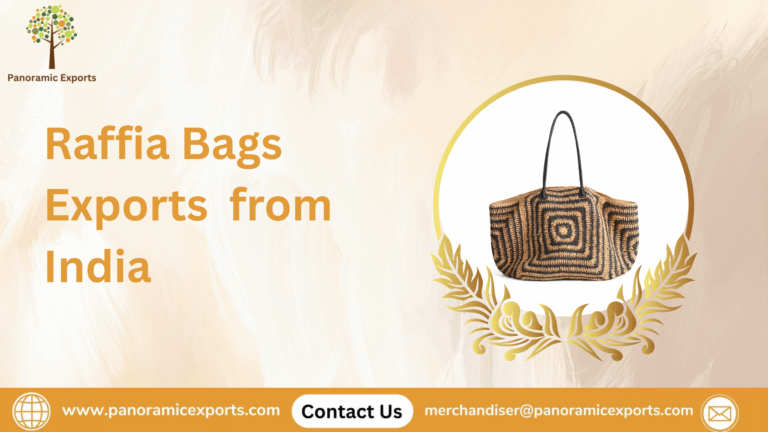
    Raffia Bags Export from India

    The global demand for sustainable, eco-friendly and stylish accessories is on the rise and Raffia Bags export from India has become a flourishing sector. India has always been known for its craftsmanship without any exception.

    Fashion markets across Europe, USA and Asia showing a strong preference for handmade and eco-friendly bags, Indian exporters are playing a crucial role in meeting this demand. Among the leaders in this field is Panoramic Exports, a trusted name in the handicraft and accessories industry, known for delivering high-quality raffia bags to international buyers.
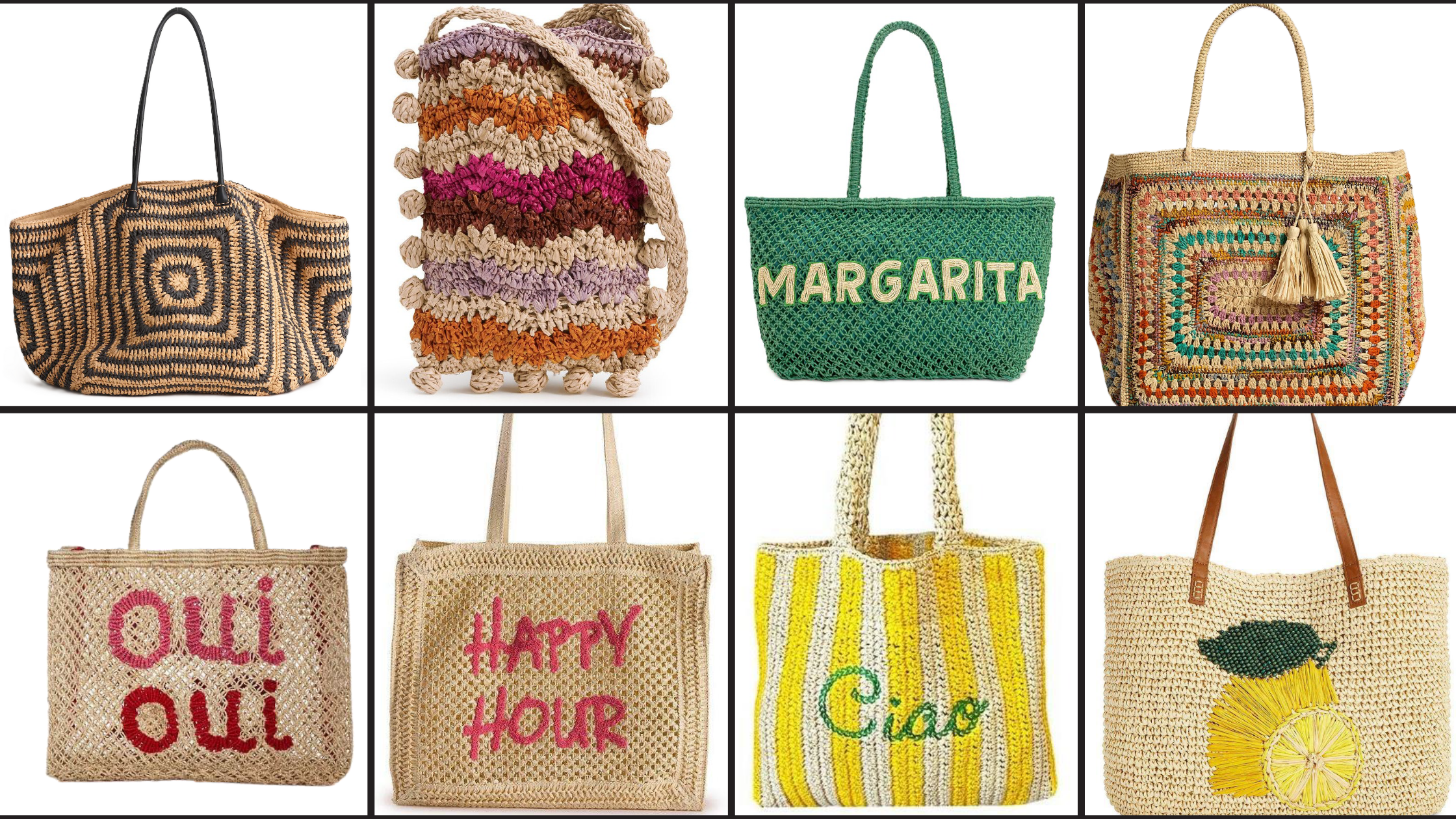
    Raffia Bags Exports from India

    Why Raffia Bags from India Are in Demand

    1. Sustainable Material – Raffia is derived from natural palm leaves, making it eco-friendly and biodegradable.
    2. Unique Craftsmanship – Indian artisans bring centuries of weaving expertise, creating unique patterns and designs.
    3. Variety of Styles – From beach totes and handbags to clutches and crossbody bags, raffia offers versatility in fashion.
    4. Durability – Despite being lightweight, raffia fibers are strong and long-lasting.

    Global consumers prefer raffia bags for their rustic charm and sustainable nature and being lightweight. Indian manufacturers have the expertise to blend tradition with modern design trends.

    Panoramic Exports: A Reliable Partner in Raffia Bags Export

    When it comes to Raffia Bags export from IndiaPanoramic Exports stands out as a brand committed to quality and customer satisfaction. The company ensures:

    • Premium Raw Materials – Carefully sourced raffia for durability and beauty.
    • Handcrafted Excellence – Skilled artisans producing world-class designs.
    • Global Reach – Supplying to markets in Europe, America, and beyond.
    • Customization Options – Tailored designs to suit client requirements.

    By focusing on this practices and innovative styles, Panoramic Exports is helping Indian raffia bags gain recognition in the global fashion industry.

    The Future of Raffia Bags Export from India

    With the increasing demand for sustainable fashion, the outlook for Raffia Bags export from India is highly promising. International buyers are constantly seeking new designs, and Indian exporters are adapting with contemporary patterns while maintaining the authenticity of handwoven craftsmanship.

    As awareness about eco-friendly fashion grows, raffia bags will continue to dominate global markets. Exporters like Panoramic Exports are well-positioned to meet this demand, strengthening India’s reputation as a hub for sustainable fashion products.

    Q1. What are raffia bags made of?
    Raffia bags are made from natural palm fibers, which are strong, flexible, and eco-friendly.

    Q2. Why are Indian raffia bags popular internationally?
    They combine traditional craftsmanship with modern designs, offering unique, durable, and stylish eco-friendly options.

    Q3. Who is the leading exporter of raffia bags from India?
    Companies like Panoramic Exports are recognized for their quality and global presence in raffia bag exports.

    Q4. Are raffia bags durable?
    Yes, raffia is naturally strong, making the bags long-lasting while remaining lightweight.

    Q5. Can raffia bags be customized for bulk orders?
    Yes, many exporters, including Panoramic Exports, offer custom designs and sizes to meet specific buyer needs.

    Q6.How can international buyers source products from the Raffia Bags export from India?
    International buyers can connect directly with established export houses like Panoramic Exports. These companies manage the entire process, from design and production to quality assurance and international shipping, providing a seamless and reliable procurement experience for businesses worldwide.

  • Top Leather Goods from India Exported to the USA

    Top Leather Goods from India Exported to the USA

    India, known for its rich heritage and diverse craftsmanship, is also one of the world’s largest exporters of leather goods. With a thriving leather industry backed by skilled artisans and innovative manufacturing techniques, Indian leather products have gained newfound popularity in international markets, particularly in the USA. In this article, we will explore the top leather goods exported from India to the USA, the factors contributing to this booming trade, and frequently asked questions about the Indian leather goods export scene.

    Overview of India’s Leather Industry

    India’s leather industry has evolved significantly over the decades. With a plethora of animal hides available, mainly goat, sheep, and cow, India has established itself as a key player in leather manufacturing. According to the Council for Leather Exports (CLE) of India, the country ranks eighth in the world for leather production and is the second-largest exporter of leather garments. The industry offers a wide array of products, from accessories to footwear, and contributes significantly to India’s economy, providing millions of jobs and generating foreign exchange.

    Top Leather Goods Exported from India to the USA

    1. Leather Handbags and Wallets

    Leather handbags and wallets are among the most demanded items in the USA. Renowned for their durability, style, and craftsmanship, Indian leather bags cater to a wide range of consumers, from high-end luxury items to more affordable options. Many American brands choose to source their leather bags from India because of the incredible artisanal skills that go into their production, as well as the use of ethically sourced materials.

    2. Leather Footwear

    India is also famous for its leather footwear, including sandals, boots, and dress shoes. Many Indian manufacturers focus on traditional craftsmanship while incorporating contemporary designs. The comfort, quality, and style of Indian leather shoes have captured the attention of American consumers, making them a significant export product.

    3. Leather Jackets

    The demand for leather jackets has always remained steady among U.S. consumers, especially during the colder months. Indian leather jackets are characterized by unique styles and high-quality finishes. Manufacturers often experiment with both traditional and modern designs, making them appealing to a broad demographic.

    4. Leather Accessories

    In addition to bags and footwear, India exports a variety of leather accessories, including belts, gloves, and watch straps. These items are often cherished for their quality and affordability. Many American retailers look to India to fulfill their requirement for stylish and functional leather accessories that appeal to fashion-conscious consumers.

    5. Leather Home Décor

    An often-overlooked sector of the leather exports from India is leather home décor. This includes items like leather rugs, wall hangings, and even upholstered furniture. The unique textures and patterns offered by Indian leather products add a sophisticated touch to home interiors, making them appealing to American buyers.

    Factors Contributing to Leather Goods Export from India to the USA

    Several factors contribute to the success of Indian leather goods in the U.S. market:

    Quality Craftsmanship

    Indian artisans have been perfecting their craft for generations. Their intricate stitching, detailing, and finishing skills elevate the quality of leather goods, making them sought after in the competitive U.S. market.

    Diverse Product Range

    With a wide variety of leather goods available, American consumers can find products that suit their tastes and needs—from high-end luxury items to affordable everyday products. This range allows retailers to cater to different demographics and budget levels.

    Competitive Pricing

    The cost-effectiveness of Indian leather goods also plays a significant role in their popularity. Unlike some other countries that might offer leather products at a premium price, India’s vast labor force and resource availability provide competitive pricing without compromising quality.

    Ethical Sourcing

    As consumers in the USA become more conscious of sustainability and ethical sourcing, Indian leather manufacturers have taken steps to comply with environmentally friendly practices and humane labor standards, making these products more appealing to value-driven consumers.

    Growing E-commerce

    The rise of e-commerce platforms has made it easier for Indian sellers to reach American consumers. Online retail has exploded in popularity, with many American consumers now preferring the convenience of purchasing unique and affordable leather goods from India through online platforms.

    FAQs about Leather Goods Export from India to the USA

    1. What types of leather goods are popular in the USA?

    The most popular leather goods include handbags, wallets, footwear, jackets, and various accessories. Indian leather goods are known for their diverse designs and quality craftsmanship.

    2. Are Indian leather goods environmentally friendly?

    Many Indian manufacturers are adopting sustainable practices and focusing on ethical sourcing. This involves using eco-friendly tanning processes and ensuring fair labor practices in their supply chains.

    3. How does the quality of Indian leather compare to leather from other countries?

    Indian leather is known for its high quality, durability, and craftsmanship. Although there are premium products from countries such as Italy and France, the affordability combined with the craft of Indian leather goods makes them a popular choice.

    4. What are the major challenges faced by Indian leather exporters?

    Some challenges include competition from other countries, fluctuations in demand, and the need for continuous innovation to meet changing consumer preferences.

    5. How can I identify genuine Indian leather products?

    Genuine leather products often have specific features, such as a natural grain pattern, a distinct smell, and a rich texture. Additionally, certifications and labels indicating compliance with ethical and quality standards are good indicators.

    Conclusion

    The export of leather goods from India to the USA showcases the rich craftsmanship and diverse styles that the country has to offer. With a growing demand for quality leather products that combine ethical sourcing and affordability, India’s position in the global leather market is expected to strengthen. As American consumers continue to seek unique and durable leather products, the collaboration between Indian artisans and U.S. brands will likely flourish, paving the way for new trends and innovations in the leather industry.

  • Fashion Accessories Exported from India to the USA: A Comprehensive Guide

    Fashion Accessories Exported from India to the USA: A Comprehensive Guide

    In an ever-evolving fashion landscape, where trends change as swiftly as the seasons, Indian fashion accessories have carved a noteworthy niche in the global market, particularly in the USA. Known for their craftsmanship, rich cultural heritage, and vibrant designs, Indian accessories have become increasingly popular among American consumers. This article explores the intricacies of the fashion accessories export market from India to the USA, highlighting trends, processes, and key players in this burgeoning industry. 

    The Allure of Indian Fashion Accessories

    Indian fashion accessories are not just items to complement an outfit; they are cultural artefacts that represent tradition, artistry, and craftsmanship. From intricately designed jewelry to vibrant handbags and exquisite scarves, each accessory encapsulates a story steeped in history. Indian artisans, often working in small workshops, create pieces that reflect both their local culture and contemporary aesthetics, making these items appealing to diverse consumers.

    1. Jewelry: Indian jewelry is renowned for its intricate designs and use of traditional materials. From sterling silver pieces to handcrafted gold jewelry adorned with precious and semi-precious stones, Indian jewelry offers a wide range of options suitable for various occasions, from casual wear to extravagant events.
    2. Textiles: Fabrics are essential when it comes to fashion accessories. India produces a wide array of textiles, including silk, cotton, and wool. Scarves, stoles, and ties crafted from these materials are not only stylish but also offer the allure of unique patterns and textiles that are hard to find elsewhere.
    3. Handbags and Clutches: Indian craftsmanship shines in leather and fabric handbags that showcase vibrant colors, detailed embroidery, and traditional motifs. These accessories resonate well with American consumers, particularly those looking for something distinctive yet functional.
    4. Footwear: Traditional Indian footwear, such as juttis and mojaris, is becoming increasingly popular in the USA. These handmade shoes are often adorned with intricate embroidery and embellishments, making them a fashionable choice for both casual and formal wear.

    The Export Process: From India to the USA

    Exporting fashion accessories from India to the USA involves several crucial steps. Understanding these processes helps businesses navigate the complexities of international trade successfully.

    1. Market Research

    Before venturing into the export market, conducting thorough market research is imperative. This includes understanding consumer preferences, keeping track of fashion trends, and identifying potential competitors in the USA. It is also crucial to analyze regulations and compliance standards specific to fashion accessories.

    2. Sourcing and Production

    Once market insights have been gained, the next phase involves sourcing raw materials and selecting manufacturers. India boasts a vast number of skilled artisans and manufacturers specializing in different types of accessories. Partnering with trusted manufacturers ensures that the products maintain the quality and integrity expected by American consumers.

    3. Compliance with International Standards

    It’s essential to comply with both Indian export regulations and American import regulations. This includes ensuring that products meet safety standards, proper labeling, and adherence to environmental regulations. Certifications might be required to facilitate smoother customs clearance.

    4. Packaging and Shipping

    The packaging of fashion accessories not only protects products during transit but also serves as a marketing tool. Innovative and aesthetically pleasing packaging can leave a lasting impression on customers. Shipping methods may vary, including air freight for speed or sea freight for cost-effectiveness.

    5. Distribution Channels

    Once the products reach the USA, establishing reliable distribution channels is vital. This may involve partnerships with retailers, online marketplaces, or direct-to-consumer models. Each channel comes with its unique advantages and challenges.

    Trends Influencing the Export Market

    Several trends are shaping the fashion accessories export market from India to the USA.

    1. Sustainability

    Today, more consumers are prioritizing environmentally friendly products. As a response, many Indian manufacturers are adopting sustainable practices, such as using eco-friendly materials and ethical labor practices.

    2. Personalization

    As consumers gravitate towards unique pieces, personalizable fashion accessories are gaining traction. This trend is particularly resonant in products like jewelry, where customization can create a deeper connection with the buyer.

    3. E-commerce Boom

    The rise of online shopping has revolutionized how consumers access fashion accessories. Many Indian businesses have started leveraging e-commerce platforms to reach American consumers directly, thus minimizing the need for physical retail spaces.

    4. Cultural Fusion

    With the increasing popularity of fusion fashion, many American consumers are embracing accessories that blend traditional Indian elements with modern designs. This trend creates opportunities for innovative collaborations between Indian artisans and international designers.

    FAQs

    Q1: What types of accessories are most popular for export from India to the USA?
    A1: The most popular accessories include jewelry, handbags, scarves, and traditional footwear. These items are well-received for their unique designs and high-quality craftsmanship.

    Q2: Are there any specific regulations for exporting fashion accessories to the USA?
    A2: Yes, exporters must comply with both Indian export regulations and American import standards. This can include safety standards, labeling requirements, and testing for harmful substances.

    Q3: How can Indian manufacturers tap into the American market?
    A3: Manufacturers can utilize market research to understand consumer preferences, establish e-commerce channels, attend trade shows, and build relationships with American retailers.

    Q4: What role does sustainability play in the export of fashion accessories?
    A4: Sustainability is becoming a significant factor in consumer purchasing decisions. Indian manufacturers adopting eco-friendly practices are more likely to attract environmentally-conscious American consumers.

    Q5: How can small businesses compete in the fashion accessories export market?
    A5: Small businesses can focus on niche products, emphasize quality and craftsmanship, and utilize digital marketing strategies to reach targeted audiences effectively.

    Conclusion

    Fashion accessories exported from India to the USA present vast opportunities for businesses and artisans alike. With a blend of tradition and modernity, Indian accessories cater to a diverse consumer base while promoting sustainable and ethical practices. As the global market continues to grow, embracing innovation, consumer trends, and effective marketing strategies will be key to thriving in this competitive export landscape. Whether you’re a seasoned exporter or a newcomer looking to break into this market, understanding these elements will pave the way for success in the fashion accessories export industry.

  • Why Global Fashion Brands Are Partnering with Indian Export Hubs

    Why Global Fashion Brands Are Partnering with Indian Export Hubs

    In the ever-evolving landscape of global fashion brand, there’s a clear shift toward authentic craftsmanship, ethical sourcing, and sustainability. As brands compete to meet consumer demand for quality and conscience, one trend stands out: global fashion brands are increasingly partnering with Indian export hubs.

    From luxury labels in Paris to fast fashion giants in New York, everyone is looking toward India — not just for cost-effective manufacturing, but for heritage, diversity, and skilled artisanship that no machine can replicate.

    In this blog, we’ll explore the reasons why Indian export hubs have become the go-to destination for global fashion brands and how this trend is reshaping the future of the fashion industry.

    1. Rich Craftsmanship and Heritage

    India is home to thousands of years of textile and craft traditions — from intricate hand embroidery and block printing to weaving techniques like ikat, chanderi, and khadi. Many of these crafts are region-specific and practiced by skilled artisans who have inherited the art through generations.

    What Global Brands Love:

    • Unique, authentic textures and designs
    • Techniques that can’t be mass-produced
    • Stories that add emotional value to fashion collections

    Examples:

    Brands like Hermès, Christian Dior, and Stella McCartney have incorporated Indian techniques like hand weaving and embroidery into their collections to add a unique touch that appeals to modern luxury consumers.

    1. Cost-Effective Yet High-Quality Production

    While India is known for affordable labor, that’s no longer the only reason fashion brands come here. Export hubs in India, such as Tiruppur (knitwear), Jaipur (handicrafts), Noida (garments), and Kanpur (leather goods) offer world-class infrastructure, quality control, and scalable manufacturing that meets international standards.

    Benefits for Global Brands:

    • Competitive pricing without compromising on quality
    • Access to both handmade and machine-made goods
    • Flexibility for small-batch or bulk production
    1. Sustainable and Ethical Fashion Movement

    With increasing scrutiny on supply chains and working conditions, many fashion brands are shifting toward ethical sourcing and fair-trade practices. India has responded with certified export hubs that support artisans, follow sustainable production, and avoid exploitative labor.

    What’s Changing:

    • Use of organic cotton, natural dyes, and recycled fabrics
    • Support for women-led cooperatives and tribal clusters
    • Certifications like GOTS (Global Organic Textile Standard) and Fair Trade

    Indian suppliers who meet these standards become attractive long-term partners for brands looking to boost their ESG (Environmental, Social, and Governance) score.

    1. Government Support and Export Incentives

    The Indian government has launched several initiatives to promote export and manufacturing excellence in fashion and textiles. Programs like:

    • Make in India
    • One District One Product (ODOP)
    • Production Linked Incentive (PLI) Scheme

    …have helped exporters modernize infrastructure, adopt technology, and connect with global buyers. These efforts are helping small artisans and medium-scale businesses expand to global markets.

    1. Customization and Design Collaboration

    Unlike factory-led mass production in some other countries, Indian export hubs allow flexibility in customization and collaboration. Brands can co-create designs, choose sustainable materials, or adapt traditional techniques into contemporary styles.

    Collaboration Examples:

    • Anthropologie and FabIndia for handcrafted home décor
    • H&M Conscious Collection using Indian organic cotton
    • Zara and Mango sourcing embroidered fabrics from Jaipur and Lucknow

    These collaborations don’t just meet demand — they create differentiated, story-driven fashion collections that attract value-conscious consumers.

    1. Fast Turnaround and Scalable Output

    Indian hubs have adapted quickly to modern supply chain needs. With the rise of digital design tools, real-time tracking, and export digitization, many Indian manufacturers can now offer:

    • Fast design sampling
    • Scalable output from 100 pieces to 100,000
    • Timely delivery for seasonal or fast fashion cycles

    This agility is particularly beneficial for e-commerce brands and direct-to-consumer (D2C) labels in the US, UK, Europe, and Australia.

    1. Diverse Product Categories

    India isn’t limited to just garments. Global brands partner with India for:

    • Handbags & Leather goods (Kanpur, Chennai)
    • Scarves, Stoles & Shawls (Amritsar, Varanasi)
    • Home décor items (Rajasthan, Uttar Pradesh)
    • Footwear & Accessories (Agra, Kolkata)

    This diversity makes India a one-stop destination for multiple product verticals — all under one export strategy.

    Conclusion

    As global fashion becomes more rooted in transparency, sustainability, and storytelling, Indian export hubs offer the perfect blend of craft, scale, and conscience. From fast fashion brands to heritage luxury houses, partnering with India is no longer just a choice of cost — it’s a strategic decision rooted in value.

    If you’re a fashion brand looking to future-proof your supply chain and tap into a world of artisanal brilliance, it might be time to explore India’s thriving export ecosystem.

  • Macrame to Leather – A Deep Dive into the World of Indian Handicrafts and Exports

    Macrame to Leather – A Deep Dive into the World of Indian Handicrafts and Exports

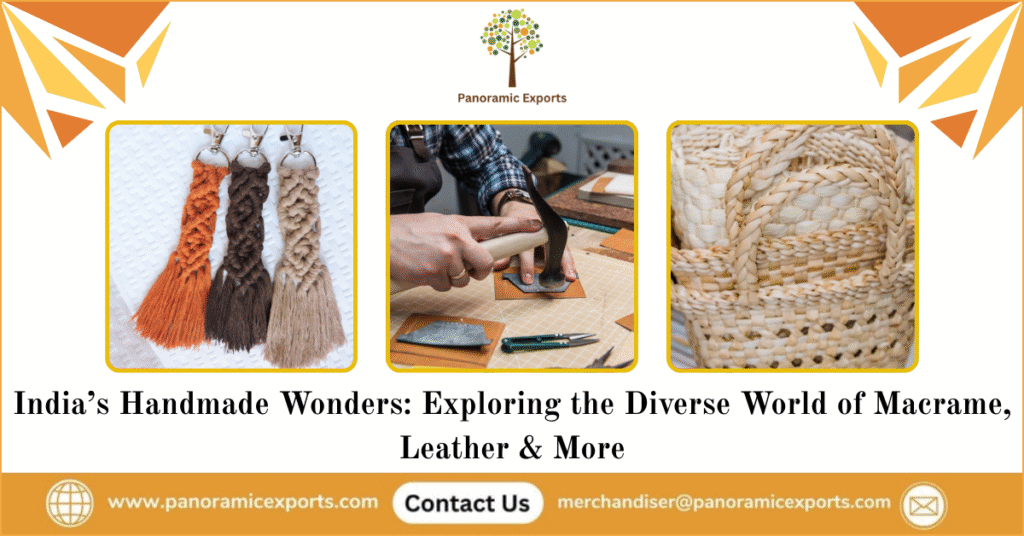
    a collage of a person using a tool

    Indian Handicrafts has long been recognized as a land of rich culture, vibrant traditions, and unmatched craftsmanship. From intricately woven textiles to skillfully crafted leather goods, Indian handmade exports tell stories of heritage, patience, and artisanal excellence. As global demand for sustainable and unique products continues to rise, Indian handicrafts have carved a strong presence in the international market. In this blog, we delve into the fascinating world of Indian handmade exports — from macrame art to premium leather products — and explore what makes them truly exceptional.

    The Legacy of Indian Handicrafts

    Indian Handicrafts products are more than just goods; they represent centuries of tradition and the artistic brilliance passed down through generations. Every region in India boasts its own specialty — Rajasthan’s block printing, Kashmir’s papier-mâché, Tamil Nadu’s bronze sculptures, and Gujarat’s bandhani — just to name a few.

    These crafts are deeply tied to local identities and are a source of livelihood for millions of artisans across the country. According to the Export Promotion Council for Handicrafts (EPCH), India’s handicraft exports were valued at over $4 billion in the 2022–23 period, and this number is expected to grow.

    The Rise of Macrame: A Boho-Chic Revival

    Macrame, a form of textile art made using knotting techniques, has made a major comeback in recent years, especially in Western home décor trends. India has become a key exporter of macrame wall hangings, plant holders, table runners, and curtains.

    Why Indian Macrame?

    • Skilled artisans from states like Uttar Pradesh and West Bengal have mastered the intricate knots.
    • Sustainable materials like cotton cords and jute are widely used, aligning with eco-friendly consumer preferences.
    • Customization options and design flexibility make Indian macrame ideal for international buyers.

    Wooden Handicrafts: Carving a Global Niche

    India’s wooden handicrafts — from furniture to decorative items — are sought after for their exquisite hand-carving and durable quality. Regions like Saharanpur in Uttar Pradesh are world-famous for their woodwork.

    Popular Export Items:

    • Hand-carved tables and chairs
    • Wooden jewelry boxes
    • Decorative wall panels
    • Antique-style frames and furniture

    Export markets include the US, UK, Germany, and Australia, where consumers appreciate the artistic value and handmade appeal.

    Leather Craft: Where Tradition Meets Luxury

    India’s leather industry combines traditional methods with modern designs, offering a wide range of products like bags, belts, wallets, footwear, and jackets. Cities like Kanpur, Agra, and Chennai are prominent leather hubs.

    What Makes Indian Leather Exports Stand Out?

    • High-quality raw material: India is one of the largest producers of leather globally.
    • Eco-tanned leather: With increasing environmental awareness, many Indian exporters now use vegetable tanning and chromium-free processes.
    • Artisan craftsmanship: From hand-stitched bags to embossed leather journals, the fine detailing attracts premium buyers.

    Textile and Embroidery: A Global Fashion Statement

    Indian textiles such as khadi, cotton, silk, and wool are renowned for their durability and design. Handmade embroidery, mirror work, beadwork, and applique from regions like Gujarat, Punjab, and West Bengal elevate the aesthetic appeal.

    These textiles are not only used for garments but are also exported for making cushion covers, bedsheets, curtains, and other home décor items.

    Jewelry and Beadwork: Timeless Treasures

    Handmade jewelry from India — including tribal, traditional, and contemporary styles — is a significant export product. Rajasthan, Gujarat, and Maharashtra are known for their silver, brass, and oxidized jewelry creations.

    Beadwork, in particular, sees heavy demand in the US, Europe, and Middle Eastern countries due to its boho-chic appeal and versatility.

    Eco-Friendly and Sustainable Appeal

    In a world moving towards conscious consumerism, Indian handmade products are gaining popularity for their eco-friendly materials, minimal carbon footprint, and ethical production. Brands and buyers alike are now keen to source products that support local communities and uphold sustainable practices.

    Government Support and Export Promotion

    Initiatives like “Make in India”One District One Product (ODOP), and financial support from the Export Promotion Council for Handicrafts (EPCH) have played a crucial role in expanding the global footprint of Indian handmade goods.

    Participation in international trade fairs, digital marketing support, and easier export norms have empowered small and medium-sized exporters to reach new markets.

    Conclusion

    From delicate macrame designs to robust leather creations, Indian Handicrafts exports represent the incredible diversity and talent of our artisans. As global preferences shift towards handmade, unique, and sustainable products, India is well-positioned to lead the charge with its unparalleled craftsmanship.

    Whether you’re a retailer, wholesaler, or simply an admirer of fine artisan products, there’s never been a better time to explore the beauty and depth of India’s handmade exports.

  • India vs China: Leather Goods Manufacturing Success

    India vs China: Leather Goods Manufacturing Success

    Leather Tanery

    India vs China: Leather Goods Manufacturing Success

    Discover why India outperforms China in leather goods manufacturing. Explore India’s historical expertise, superior leather quality, competitive labor costs, and strong craftsmanship traditions that contribute to its thriving leather industry.

    Historical Perspective of Leather Craft in India

    Registering for the IHGF Delhi Fair is a simple process that can be done online. EPCH provides a dedicated The rich heritage of leather crafting in India dates back to ancient times, with roots that can be traced to some of the earliest civilizations. Historical records and archaeological findings reveal that leather goods were utilized in various forms by early Indian communities, serving needs ranging from clothing to tools and ornamental items. This long-standing tradition has evolved through the centuries, influenced by diverse cultural interactions and regional variations, thereby contributing to a distinctive craftsmanship that India is renowned for today.

    One of the significant factors that underscores India’s proficiency in leather goods is the depth of traditional techniques that have been meticulously passed down through generations. Artisans in India employ age-old methods, including vegetable tanning, which not only preserves the environment but also enhances the quality of the leather. This craft is deeply embedded in the cultural fabric of various regions, with each locality boasting its own distinct style and design aesthetics. For instance, the intricate embroidery of Punjab, the vibrant patterns from Rajasthan, and the exquisite hand-painted leather from Kerala are just a few examples of how regional expertise enriches the leather goods sector.

    In contrast to India, the historical narrative of leather production in China highlights mass production techniques that emerged later. While China also boasts a significant leather industry, its focus has often been on quantity rather than quality. This emphasis on larger outputs sometimes compromises the artistic expression and uniqueness that characterize Indian leather goods. By examining the historical lineage of leather craftsmanship in both countries, it becomes evident that India’s legacy is not only about producing leather items but also about fostering creativity and meticulous artistry, giving Indian leather goods a competitive advantage in both local and global markets.

    Quality and Craftsmanship: A Comparative Analysis

    The leather goods industry is significantly influenced by the quality of raw materials and the craftsmanship involved in production. India has garnered an esteemed reputation in the global market due to its exceptional leather quality and meticulous handcrafted techniques. The rich heritage of leather craftsmanship in India is supported by the availability of superior raw materials sourced from indigenous livestock. Indian artisans utilize locally-sourced leather known for its durability, softness, and aesthetic appeal, which distinguishes Indian leather products from those produced in other countries, including China.

    In contrast, the Chinese leather industry often relies on mass production techniques, compromising on the quality of the leather used as well as the overall craftsmanship. While China has made strides in manufacturing efficiency, these have often come at the expense of artisanal skill. The focus on quantity over quality results in leather goods that lack the detailing and superior finish inherent in Indian products. The slower, more traditional methods employed by Indian artisans allow for greater attention to detail, ensuring that each piece reflects the skill and dedication of its maker.

    Renowned Indian leather products, such as handbags from Jaipur and handcrafted footwear from Kanpur, demonstrate this commitment to quality and craftsmanship. These products are characterized by intricate designs, vibrant colors, and a durability that often surpasses their Chinese counterparts. Moreover, the usage of natural dyes and eco-friendly tanning processes further enriches the appeal of Indian leather goods. Due to this emphasis on fine craftsmanship and sustainability, Indian leather products often command a higher price in international markets, reflecting their superior quality.

    Meanwhile, the Chinese leather industry faces challenges, including a growing emphasis on sustainability and ethical production practices. As global consumers become more discerning regarding the quality and craftsmanship of leather goods, the comparative advantages of Indian leather may continue to rise, reinforcing India’s position as a leader in this sector.

    Sustainability and Ethical Practices in Indian Leather Industry

    The Indian leather industry is gradually transforming to prioritize sustainability and ethical practices, responding to both consumer demand and global trends. Manufacturers in India have recognized the importance of adopting eco-friendly processes in their operations, which ultimately enhance the quality of leather goods produced. This shift includes the use of vegetable tanning methods and minimizing water consumption during production. Moreover, many Indian leather producers are actively incorporating renewable energy into their manufacturing processes, creating an eco-conscious approach that appeals to environmentally aware consumers.

    In contrast, the leather industry in China has faced criticism for lax environmental regulations and questionable labor rights practices. Reports indicate that some manufacturers in China struggle to meet stringent environmental standards, resulting in significant pollution and waste generation. Additionally, workers in the Chinese leather industry often face poor labor conditions, which has led to controversy regarding human rights violations in the sector. This disparity in ethical practices presents a notable challenge for China in marketing its leather goods on a global scale, where increasing scrutiny on corporate social responsibility is prevalent.

    Market Trends and Economic Impact of Indian Leather Goods

    The Indian leather goods industry has emerged as a significant player in the global market, showcasing remarkable growth and resilience. This sector has gained traction due to shifting consumer preferences towards sustainable and ethically sourced products. With India’s rich tradition in leather craftsmanship, the nation has successfully positioned itself as a leader in quality and innovation, particularly when compared to China.

    According to recent statistics, India’s leather exports have witnessed a steady increase, contributing considerably to the national economy. In the financial year 2022-2023, leather goods exports reached approximately $7 billion, representing a substantial share of the total export portfolio. This trend demonstrates not only a solid international demand but also an appreciation for the uniqueness of Indian leather products. Moreover, as countries increasingly prioritize sustainable sourcing, Indian manufacturers have capitalized on this by promoting eco-friendly practices in production.

    The domestic market has also experienced a surge in consumer interest, with an expanding middle class driving demand for high-quality leather products. Brands are effectively leveraging this shift, catering to the local market’s evolving tastes, which often reflect a preference for traditional designs infused with modern functionality. As a result, Indian manufacturers are innovating continuously, enhancing product offerings to meet both local and international consumer expectations.

    In terms of competitiveness, India is strategically positioning itself against China by focusing on niche markets where craftsmanship and attention to detail are paramount. This entails not just the production of leather goods but also building a powerful brand identity that resonates with global consumers. As Indian leather goods gain popularity, there are implications for future trade relationships, providing avenues for collaboration and growth between the two nations while enhancing India’s global presence.

  • How to Make Macrame Bags

    How to Make Macrame Bags

    Macrame bags have become a timeless accessory loved for their boho charm, eco-friendliness, and versatile style. If you are a USA buyer looking to buy macrame bags in bulk then this blog guide will introduce you to the essentials of making high-quality macrame bags. From materials to step-by-step instructions, you will gain the knowledge you need to meet growing customer demand with beautiful, hand-crafted products.

    Why Choose Macrame Bags?

    Macrame bags are increasingly popular due to their sustainable design, handmade appeal, and trendy aesthetics. Buying or producing macrame bags in bulk offers a great opportunity to satisfy eco-conscious consumers who prioritize handmade and eco-friendly accessories.

    Materials Needed to Make Macrame Bags

    1. Macrame Cord: Use 3mm-5mm cotton cords for optimal strength and texture. Natural, unbleached cotton is a favorite, but dyed cords offer variety.
    2. Bag Handles: Wooden, metal, or leather handles can add structure and style.
    3. Scissors: Sharp scissors are essential for clean cuts.
    4. Measuring Tape: For accurate cord lengths.
    5. Comb : To fray ends for a decorative tassel effect.
    6. Dowel Rod : Helpful when starting knots for larger bags.

    Step-by-Step Instructions to Make a Macrame Bag

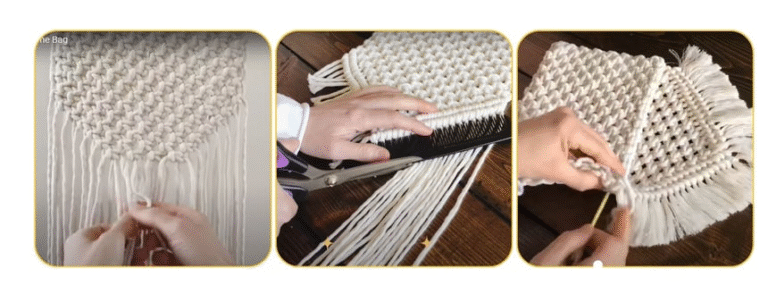
    Step 1: Prepare the Cord

    To begin, prepare the cords by cutting 8-10 pieces of macrame cord, each approximately 4-5 feet long. The length will depend on the desired bag size and knotting style, and for larger bags, you may require additional cords.

    Step 2: Attach the Cords to the Handles

    Next, attach the cords to the handles. Fold each cord in half to form a loop and secure them using a Lark’s Head Knot. To do this, place the loop behind the handle, bring the two loose ends of the cord through the loop, and pull it tight. Repeat this process for all cords, making sure they are evenly spaced along the handle to create a neat starting point.

    Step 3: Start the Knots

    Once the cords are secured, begin knotting with a square knot, one of the fundamental knots in macrame. Begin working with four cords – the two middle cords will serve as the anchor, while the two outer cords are used for knotting. Cross the left cord over the two center cords and under the right cord, then bring the right cord under the center cords and through the left loop. Pull tight to create the first half of the knot, then repeat this process in reverse to create a complete square knot. Continue across all cords to create an even row of knots.

    Step 4: Add More Rows

    To add more rows, tie the cords to each other in different patterns. Leave the first two cords and start knotting the next set to create a net-like effect. Continue this process until the bag reaches the desired length, ensuring consistency in the knots for a neat and symmetrical design.

    Step 5: Finish the Bag

    When you reach the desired bag length, finish the bag by gathering all the cords at the bottom. Secure them with a tight Gathering Knot to hold everything in place. Trim any excess cord to create a neat fringe, or add decorative tassels for a polished look.

    Step 6: Optional Lining

    For added functionality and durability, consider sewing a fabric lining inside the bag. A lining ensures that the bag can hold small or delicate items without slipping through the knots, making it more practical for everyday use. With these steps, you’ll have a beautiful, handmade macrame bag ready for use or resale.

    How to Find the Right Exporter for Macrame Bags

    If you’re looking to purchase macrame Bags in bulk for your business or need more information about macrame Bags, contact Panoramic Exports. Panoramic Exports is a Fashion Accessories Manufacturer and Exporter based in Noida, India. with over 25 years of industry experience. We specialize in producing high-quality macrame bags and handbags, tailored to meet global market demands. Our commitment to quality, sustainability, and ethical practices ensures environmentally friendly production processes. Partner with us to offer stylish, durable, and eco-conscious macrame bags that align with modern trends and consumer preferences.

  • Weekend Raffia Bags

    Weekend Raffia Bags

    The Beast Team Around And How We Make It Work

    Raffia bags are making waves in the fashion and accessories market due to their eco-friendly materials, elegant aesthetics, and high functionality. As more consumers are choosing durable and stylish products, raffia bags have become the preferred choice for businesses and wholesalers worldwide. If you’re a USA business looking to manufacturer raffia bags in bulk, this guide will provide in-depth insights into their benefits, popular styles, sourcing options, and how to maximize your investment.

    Why Raffia Bags Are a Good Choice

    Raffia bags are made from natural raffia fibers that are derived from the leaves of the raffia palm tree, which can be found in tropical locations such as Africa, Madagascar and parts of Asia. The fibers are carefully extracted, dried and woven into a strong, flexible fabric suitable for a variety of items, including bags. Raffia bags have a homemade charm due to their organic texture, earthy colors and artisanal production methods. Their eco-friendliness and lightweight durability have helped them gain a place among conscious businesses.

    Why Choose Indian Manufacturers for Raffia Bag?

    Customization Options

    Indian manufacturers specialize in providing extensive customization possibilities, making them a popular choice among enterprises globally. Whether you need unique designs, special materials or custom branding, Indian manufacturers can create goods that are tailored to your exact specifications. This versatility guarantees that your products will stand out in competitive markets. From handmade items to precision-engineered goods, manufacturers in India work closely with customers to provide customized solutions. Customization occurs across a variety of industries, including leather goods, clothing and handicrafts. India’s talented artisans and excellent manufacturing facilities combine ancient craftsmanship and modern techniques to bring your idea to life, ensuring quality and exclusivity.

    Lightweight and Comfortable

    Raffia bags are known for their lightweight and comfortable design. Despite their durability, they are easy to carry, offering a practical solution for those on the go. Whether you’re traveling or using it daily, these bags won’t weigh you down, making them an ideal accessory for various occasions. Their balance of sturdiness and lightness makes them a versatile option, allowing you to carry your essentials without discomfort. The combination of practicality and ease makes raffia bags a popular choice for anyone seeking a functional yet stylish option for daily use or travel.

    Craftsmanship

    Indian artisans are internationally renowned for their fine craftsmanship and fine detailing. Their skilled hands create masterpieces that honor the country’s rich cultural heritage and creative traditions. From intricate carvings on wood and metal to beautiful needlework on fabrics, Indian handicrafts exemplify unmatched passion and perfection. Each figurine tells a unique story by combining ancient techniques with current aesthetics. This dedication to quality and precision has made Indian handicrafts highly popular around the world, serving both functional and decorative purposes. Supporting these artists helps preserve age-old traditions, while also empowering local communities and promoting sustainable practices.

    Affordable Pricing

    Affordable pricing is a significant benefit of getting bulk products from India. Indian manufacturers provide cost-effective solutions while keeping high-quality standards, making them an excellent choice for enterprises looking for money without sacrificing quality. Affordable rates are made possible by the availability of trained personnel, locally sourced resources, and efficient production processes. In addition, bulk orders often come with large discounts, further increasing affordability. Businesses that work with reputable Indian manufacturers can reduce expenses, resulting in higher profit margins and customer satisfaction. For businesses seeking to strike a balance between quality and affordability, India is a top choice for wholesale sourcing across a wide range of industries.

    Stylish and Versatile

    These bags are fashionable and adaptable, with a natural texture and earthy tones that make them suitable for a variety of events. These bags look great in every context, whether it’s a casual trip, a relaxed day at the beach, or an upmarket function. Their timeless style complements both easygoing and polished outfits, providing a touch of sophistication to any outfit. Crafted to fit many lifestyles, they provide practical style for everyday usage while preserving a beautiful elegance for more formal occasions. These bags are a must-have item because they are versatile enough to be used day or night.

    Partner with Panoramic Exports for Raffia Bags

    If you’re looking to purchase Raffia Bags in bulk for your business or need more information about Raffia Bags, contact Panoramic Exports. Panoramic Exports is a Fashion Accessories Manufacturer and Exporter based in Noida, India. with over 25 years of industry experience. We specialize in manufacturing and exporting Raffia Bags. Our product range includes fashion bags such as raffia, macrame and handbags, We prioritize quality, sustainability and ethical practices, ensuring environmentally friendly production.

  • Leather Goods Manufacturer in Delhi

    Leather Goods Manufacturer in Delhi

    Leather Goods Manufacturer in Delhi

    India has long been renowned as a hub for high-quality leather goods, with its capital city, Delhi, leading this growing industry; for USA-based businesses looking for manufacturers of Leather goods in bulk, Delhi’s leather industry provide unmatched craftsmanship, exceptional quality, and competitive pricing, making it an ideal location for wholesalers, retailers and importers. Panoramic Exports is a well-known supplier for manufacturing and exporting the finest leather goods from India, Panoramic Exports do various product lines in leather goods and making an ideal choice for international clients.

    Why Choose Delhi for Leather Goods Manufacturing?

    Delhi’s leather industry is known for its diversity, ranging from everyday necessities to luxury products. Here are some of the main reasons why buying leather goods from Delhi is a smart business decision: Delhi being the center of India, Delhi offers access to skilled talent, abundant raw materials, ancillary industries and convenient airport connectivity, making it an ideal location for businesses to thrive and export products efficiently.

    High Standard of Workmanship

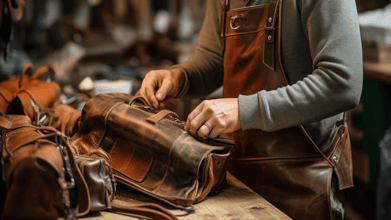
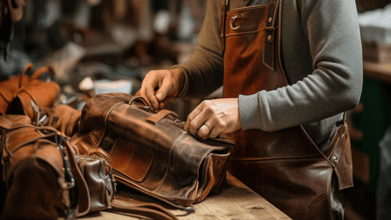
    Delhi’s leather manufacturers are known for their exceptional craftsmanship and meticulous attention to detail. With skills passed down over generations, these artisans excel in creating high-quality leather products. From intricate stitching to flawless finishing, their expertise ensures that every item is a masterpiece. Whether it’s a wallet, belt or handbag, Delhi’s leather makers maintain the highest standards of quality and durability. Their dedication to precision and artistry has earned them a reputation for excellence, making Delhi a preferred hub for premium leather goods. Each product reflects the artisans’ passion and commitment to offer unmatched craftsmanship to discerning buyers from around the world.


    Wide Range of Products

    Manufacturers in Delhi offer a wide range of leather goods that meet a variety of needs. Their products include stylish bags such as handbags, backpacks, and duffel bags, as well as premium accessories such as wallets, belts, and keychains. For fashion enthusiasts, they create high-quality leather jackets, while businesses can find elegant corporate gifts such as leather journals. This wide variety enables companies to streamline their sourcing by purchasing multiple products from one place, saving time and effort. Leather manufacturers in Delhi combine craftsmanship with versatility, making them a reliable option for businesses seeking bulk purchases of top-notch leather goods.


    Customization Options

    Delhi manufacturers specialize in providing customized solutions to meet diverse requirements. Whether it’s an embossed logo, unique design, or specific dimensions, they work closely with clients to create leather goods that reflect their brand identity. From personalized touches to exclusive creations, these manufacturers ensure that each product is both functional and visually appealing. Their expertise in customization makes them the preferred choice for businesses looking to stand out with unique leather products. Combining skilled craftsmanship with attention to detail, Delhi manufacturers provide high-quality, customized leather goods that perfectly align with your brand’s vision and requirements.


    Competitive Pricing

    Delhi offers significant cost advantages for exporting leather goods compared to other regions. With easy access to raw materials, skilled workforce and well-established manufacturing infrastructure, manufacturers in Delhi create premium-quality leather products at competitive prices. This affordability allows businesses to obtain high-quality goods while keeping costs low, ultimately increasing profit margins. The combination of quality and cost-effectiveness makes Delhi an ideal hub for bulk leather procurement. Whether it’s bags, accessories, apparel or corporate gifts, businesses can rely on Delhi manufacturers for exceptional value without compromising on craftsmanship or durability.


    Ethical and Sustainable Practices

    Many leather manufacturers in Delhi prioritize ethical exporters and sustainable production practices. They use responsibly sourced materials, minimize waste, and adopt eco-friendly production techniques to reduce their environmental impact. By partnering with these manufacturers, businesses can align with global ethical and environmental standards, thereby enhancing their brand reputation. Supporting such practices not only contributes to a greener planet but also ensures fair treatment of workers and communities involved in production. Choosing ethical and sustainable leather manufacturers in Delhi demonstrates a commitment to responsible business practices, attracts environmentally conscious consumers and fosters long-term trust and loyalty.


    How to Find the Right Exporter in Delhi

    If you’re searching for a reliable exporter or the best leather manufacturer to grow your business, Panoramic Exports is your ideal partner. Specializing in high-quality leather goods, Panoramic Exports manufactures and exports premium products for your business needs. Panoramic delivers leather goods that align with your brand’s standards. Whether you require bulk orders or customized designs, Contact Panoramic Exports today to elevate your business with top-notch leather products and professional export services.

  • Best Leather Laptop Sleeve-2024

    Best Leather Laptop Sleeve-2024

    The leather laptop sleeve blends aesthetics and functionality. It has long-lasting scratch and bump resistance, a compact and lightweight design for easy portability, and a classic, professional style. Leather’s durability and eco-friendliness make it a great, fashionable option for laptop protection. For businesses in the United States looking to buy best leather laptop sleeves in bulk, India has emerged as a favorite destination because to its exquisite leather heritage, professional craftsmanship, and affordable cost.

    The beauty of leather laptop sleeves

    Protection and Durability

    When it comes to protecting your laptop, an essential gadget for today’s professionals, protection and durability are critical. Leather laptop sleeves provide excellent protection against scratches, accidental bumps, and normal wear and tear. The intrinsic strength of leather not only provides adequate coverage, but it also maintains the sleeve’s structure and aesthetic appeal over time. Because of its longevity, leather sleeves are a dependable, long-term investment for customers wanting both appearance and practicality. Leather laptop sleeves, with their timeless design and flexibility, combine functionality and sophistication, making them an excellent choice for professionals who value device protection and a polished appearance.

    Eco-Friendly Choices

    Sustainability is becoming more essential to modern customers, creating demand for ecologically responsible products. Indian manufacturers are responding to this by offering environmentally friendly alternatives like as ethically produced leather and vegetable-tanned leather. These materials not only lessen environmental effect, but they also reflect the attitudes of ecologically concerned consumers. Vegetable tanning, for example, uses natural tannins, which reduces chemical pollution. By implementing these sustainable techniques, Indian businesses meet global demand while also fostering a greener future. Businesses looking for leather items can now select high-quality, eco-friendly options that demonstrate their dedication to sustainability and ethical standards. Choose eco-friendly leather for a responsible and fashionable option.

    Versatility in Design

    Leather laptop sleeves are noted for their design versatility, which caters to a wide range of consumer preferences. From stylish slim-fit versions to padded sleeves with extra compartments, these accessories are designed to meet a variety of demands. They can handle computers of varying sizes, ensuring a precise fit and increased protection. Many leather laptop sleeves include compartments for chargers, paperwork, or vital supplies, making them ideal for both professionals and vacationers. These sleeves, which combine design and usefulness, are a timeless choice that demonstrate outstanding craftsmanship while fulfilling modern expectations for ease and organization.

    Sophistication and Style

    Sophistication and style define leather products, renowned for their timeless beauty. A sleek leather laptop sleeve perfectly complements professional attire, making it a sought-after accessory for executives, students, and creative individuals. Its refined design not only enhances functionality but also exudes elegance, ensuring it stands out in any setting. These sleeves are versatile, blending practicality with aesthetics, and are increasingly popular for corporate gifts and employee recognition awards. Offering durability and a polished look, leather laptop sleeves symbolize quality and professionalism, making them a must-have for those who value both fashion and functionality in their daily lives.

    What to look for in a supplier of leather laptop sleeves.

    Evaluate Quality

    Assess the quality of leather laptop sleeves by inspecting the leather, stitching, and finish. Premium sleeves should feature smooth texture, uniform color, and robust construction. Request samples to ensure the quality meets your expectations before placing a bulk order.

    Customization Services

    When selecting a supplier, ensure they offer customization services if you plan to add your own branding or unique design. Discuss the feasibility of incorporating features like embossing, printing, or other branding elements into the leather sleeve. Customization options allow you to create a product that reflects your brand’s identity, enhancing its appeal and setting it apart in the market.

    Transparent Communication

    Clear and responsive communication is essential for a successful partnership. Work with a supplier who can provide accurate information about production timelines, pricing, and customization options.

    Experience with Exports

    When selecting a supplier, choose one with extensive experience in exporting to the USA. They should be familiar with USA shipping regulations, documentation requirements, and packaging standards to ensure a smooth and hassle-free delivery process. A knowledgeable supplier will help navigate customs procedures, reducing the risk of delays and ensuring your products reach their destination efficiently and in perfect condition.

    Panoramic Exports: Your Trusted Partner in India

    At Panoramic Exports, we manufacture leather goods and we supply USA businesses with India’s top leather goods manufacturers. We prioritize quality, authenticity, and reliable delivery, ensuring every item meets our customer’s exact specifications. Contact Panoramic Exports today to connect with trusted Indian leather manufacturers and start sourcing premium products to suit your business needs.