Author: panoramicexports

  • IHGF Delhi Fair Spring 2026

    IHGF Delhi Fair Spring 2026

    IHGF Delhi Fair Spring 2026

    Executive Overview of the Delhi Fair for Global Buyers

    The upcoming Delhi Fair scheduled from 14th – 18th February 2026 stands as one of the most influential sourcing platforms for international buyers traveling to India. Hosted at the India Expo Centre & Mart in Greater Noida, the exhibition connects global retailers, wholesalers, distributors and private label brands with thousands of export-ready Indian manufacturers across home décor, handicrafts, furnishings, furniture, fashion accessories and lifestyle categories.

    For procurement teams planning yearly buying cycles, IHGF Delhi Fair Spring 2026 functions as a centralized sourcing hub. Instead of traveling city to city searching for factories, buyers gain access to curated suppliers in a structured B2B environment. Product discovery, supplier evaluation and negotiation occur simultaneously under one roof, creating a highly efficient procurement ecosystem.

    This guide explains how buyers can prepare, navigate and convert exhibition meetings into long-term partnerships with operational support from Panoramic Exports.


    Strategic Trade Significance of the 61st IHGF Delhi Fair Spring 2026

    Organized by the Export Promotion Council for Handicrafts, the 61st Edition of IHGF Delhi Fair Spring 2026 continues India’s leadership in design-driven export manufacturing. Over decades, the exhibition has evolved into a global benchmark for handcrafted lifestyle goods and creative industrial production.

    This edition will feature:

    • 3000+ manufacturers and exporters
    • 2000+ new product expressions
    • 300+ design developments
    • 16 curated product categories

    For international buyers, the Delhi Fair compresses months of supplier scouting into a single venue. Innovation, craftsmanship and production capability become visible side by side, enabling structured supplier comparison.

    Official exhibition details:
    https://www.ihgfdelhifair.in/


    Verified Exhibition Information for Visiting Buyers

    Detail

    Information

    Dates 14 – 18 February 2026
    Timings 09:00 AM – 06:00 PM IST
    Venue India Expo Centre & Mart, Greater Noida
    Edition 61st IHGF
    Exhibitors 3000+
    Entry Trade visitors aged 18+

    Pre-registration is mandatory:
    https://www.ihgfdelhifair.in/register

    The strict trade-entry policy ensures that the Delhi Fair remains a professional environment designed exclusively for commercial exchange.


    Professional Pre-Travel Preparation Framework

    Commercial value depends heavily on preparation. Because the exhibition spans multiple halls and sectors, structured planning is essential.

    Recommended preparation actions:

    • Register early online
    • Study hall segmentation
    • Book accommodation near Greater Noida
    • Define sourcing objectives
    • Prepare supplier evaluation criteria
    • Carry business credentials

    Treating IHGF Delhi Fair Spring 2026 as a structured sourcing mission improves time efficiency and decision clarity.

    For buyer assistance:

    Email: merchandiser@panoramicexports.com
    WhatsApp: +91 9810535863
    Enquiry form: https://panoramicexports.com/contact-us/


    On-Site Navigation Strategy for Buyers

    The first day should focus on mapping the exhibition. Buyers who commit too early risk overlooking stronger suppliers later.

    Effective navigation includes:

    • Walking priority halls first
    • Photographing shortlisted booths
    • Recording pricing comparisons
    • Asking about MOQ and capacity
    • Scheduling follow-up meetings

    A disciplined approach transforms the Delhi Fair into a controlled sourcing workflow.


    Structured Supplier Assessment During Meetings

    The Delhi Fair provides rare face-to-face access to factory leadership. Professional buyers apply structured evaluation frameworks during conversations.

    Key evaluation criteria:

    • Manufacturing capability
    • Export experience
    • Quality consistency
    • Communication clarity
    • Customization flexibility
    • Pricing transparency

    Objective comparison reduces sourcing risk and strengthens post-fair decisions.


    Market Trend Intelligence and Design Signals

    Beyond supplier meetings, IHGF Delhi Fair Spring 2026 acts as a global trend observatory. Buyers gain early visibility into color palettes, materials and design directions influencing upcoming retail seasons.

    Trend exploration zones include:

    • Innovation pavilions
    • Sustainability showcases
    • Material experimentation
    • Cross-cultural design influences

    This intelligence aligns sourcing decisions with future market demand.


    Post-Exhibition Conversion Workflow

    The commercial impact of the exhibition depends on disciplined follow-up after travel.

    Recommended steps:

    • Rank suppliers immediately
    • Request verified samples
    • Conduct background checks
    • Confirm timelines
    • Clarify payment structure

    Systematic execution converts exhibition leads into operational partnerships.


    Panoramic Exports Buyer Support Framework

    The scale of the Delhi Fair can overwhelm even experienced procurement teams. Identifying the right partners within limited time requires structured filtering. Panoramic Exports operates as an on-ground execution partner, transforming a complex visit into a focused sourcing operation.

    Core advantages include:

    • Structured exhibitor shortlisting
    • Time-optimized meeting schedules
    • Category-focused targeting
    • Objective vendor comparison
    • Reduced decision fatigue

    Pre-Exhibition Target Planning
    Panoramic maps exhibitor categories, shortlists manufacturers and schedules structured meetings to maximize productive engagement.

    Real-Time On-Site Coordination
    On-site support ensures translation clarity, pricing benchmarking and organized documentation.

    Post-Meeting Execution Continuity
    Sampling coordination, inspection planning and supplier follow-up convert meetings into measurable sourcing progress.


    Export Readiness and Production Reliability

    The exhibition allows buyers to confirm export preparedness directly with manufacturers. Compliance discussions about labeling, packaging durability, certifications and shipping documentation can be clarified face-to-face.

    Buyers should evaluate:

    • Export documentation capability
    • Packaging standards
    • Production scalability
    • Lead time consistency
    • Quality control systems

    Early verification reduces shipment risk and improves long-term reliability.


    Sustainability and Innovation Focus

    IHGF Delhi Fair Spring 2026 highlights eco-conscious production and ethical manufacturing. Buyers increasingly prioritize sustainable sourcing and the exhibition reflects this global shift.

    Highlights include:

    • Sustainable material zones
    • Ethical production showcases
    • Innovation-driven design sections
    • Permanent showroom access
    • Expanded international presence

    The exhibition functions as both a sourcing hub and a sustainability benchmark.


    Long-Term Strategic Value of Attendance

    Beyond immediate orders, annual attendance builds commercial continuity. Buyers return to strengthen supplier partnerships and monitor industry evolution.

    Benefits include:

    • Relationship continuity
    • Market intelligence
    • Negotiation leverage
    • Quality benchmarking
    • Supplier trust development

    The Delhi Fair is part of an ongoing sourcing strategy, not a one-time visit.


    Commercial Negotiation Environment at the Delhi Fair

    The exhibition creates a controlled environment where commercial negotiations happen face-to-face, accelerating decision cycles and reducing ambiguity. Buyers can clarify pricing structures, customization flexibility and order terms instantly instead of relying on extended email chains. This direct interaction allows both sides to evaluate seriousness, operational readiness and long-term compatibility within minutes.

    Because meetings occur in a professional B2B setting, conversations move quickly from product presentation to commercial feasibility. Buyers can validate whether a supplier understands export expectations, payment structures and production commitments. The negotiation atmosphere is structured, time-sensitive and results-driven — ideal for procurement professionals working under tight schedules.

    Key negotiation advantages include:

    • Direct access to factory decision-makers
    • Immediate pricing comparison across suppliers
    • Real-time MOQ and production clarity
    • Faster agreement on customization terms
    • Clear communication on timelines
    • Reduced dependency on intermediaries
    • Better transparency in commercial expectations

    Export Logistics Alignment and Shipment Planning

    A major benefit of attending IHGF Delhi Fair Spring 2026 is the ability to align logistics strategy before production begins. Buyers and manufacturers can discuss packaging methods, shipment scheduling and documentation requirements during early conversations, minimizing operational surprises later. Face-to-face coordination improves clarity, especially when dealing with international freight standards.

    Export discussions at the exhibition often extend beyond shipping timelines. Buyers can assess whether suppliers understand labeling compliance, packaging durability for long transit and customs documentation accuracy. These operational conversations are critical because logistics failures typically occur due to early misalignment rather than production defects.

    Logistics planning topics include:

    • Export packaging durability
    • Container optimization strategies
    • Lead time planning
    • Compliance documentation readiness
    • Freight coordination methods
    • Transit risk management
    • Handling and storage standards

    Competitive Benchmarking and Market Positioning

    Trade fairs provide a rare environment where buyers can benchmark suppliers side by side within the same day. This proximity allows immediate comparison of pricing, craftsmanship and production sophistication. Procurement decisions become data-driven rather than impression-based, strengthening purchasing confidence.

    Beyond pricing, benchmarking helps buyers evaluate how suppliers position themselves within global markets. Observing presentation style, design innovation and operational professionalism provides insight into long-term partnership potential. These signals influence not only product selection but also brand positioning strategy.

    Benchmarking benefits include:

    • Accurate market pricing visibility
    • Product quality comparison
    • Trend alignment with competitors
    • Supplier capability evaluation
    • Strategic product differentiation
    • Stronger negotiation leverage
    • Improved long-term sourcing decisions

    Conclusion

    The Delhi Fair remains one of the most efficient gateways into India’s export manufacturing ecosystem. It compresses months of supplier scouting into a single professional marketplace.

    With structured preparation and Panoramic Exports support, the exhibition becomes a strategic investment in sustainable, long-term sourcing partnerships.


    FAQs

    1. Who can attend the exhibition?
    Registered trade visitors aged 18+.

    2. Is pre-registration mandatory?
    Yes, through the official IHGF website.

    3. What products are showcased?
    Home décor, handicrafts, fashion accessories, furnishings and lifestyle goods.

    4. Can small buyers participate?
    Yes, many exhibitors support flexible order sizes.

    5. How does Panoramic Exports assist buyers?
    Through on-ground sourcing support and supplier coordination.
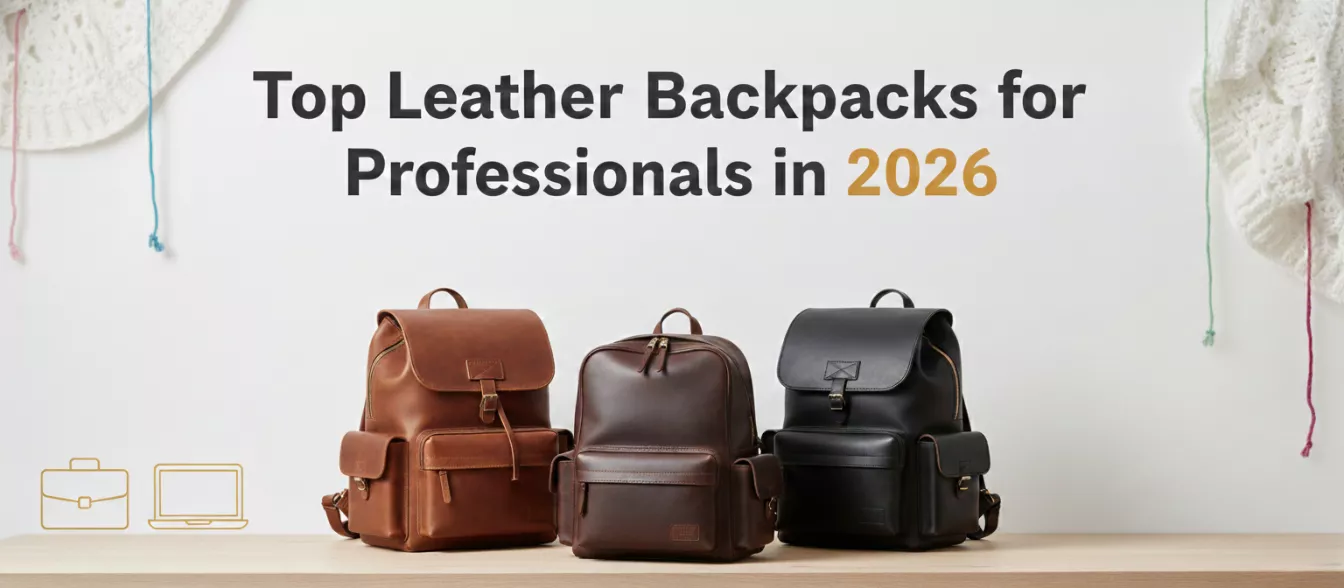
  • Top Leather Backpacks for Professionals in 2026

    Top Leather Backpacks for Professionals in 2026

    Top Leather Backpacks for Professionals in 2026

    The modern corporate landscape is witnessing a structural shift toward “rugged luxury,” where leather backpacks for professionals are no longer just utility items but essential career investments. In 2025, the global backpack market has reached a valuation of USD 21.74 billion, with a projected compound annual growth rate leading into 2030. This growth is heavily influenced by high-income populations in North America and Europe who prioritize premium, performance-based work accessories over seasonal fast fashion. For the modern executive in the USA, leather backpacks work as a versatile bridge between the corporate boardroom and international business travel, offering a level of sophistication that synthetic alternatives cannot match.


    The Corporate Transformation: High-Performance Gear Over Tradition

    The transition toward modern business backpacks is fueled by the rise of hybrid work cultures and the need for ergonomic efficiency. Unlike traditional briefcases, leather backpacks for professionals distribute weight evenly across both shoulders, reducing physical strain during long commutes or airport transits. In 2025, the trend of “Quiet Luxury” has firmly taken hold, emphasizing minimalist aesthetics, matte finishes, and high-quality leather that avoids the “slouchy” appearance of fabric bags while remaining strictly professional.

    • Elite Professionalism: High-quality leather projects an air of competence and refinement, making it ideal for high-stakes client meetings in major USA business hubs like New York and San Francisco.

    • Anatomic Superiority: Modern leather backpacks work to protect your posture. 2025 designs feature contoured shoulder straps and breathable 3-D mesh back panels designed for 8–10 hours of daily comfort.

    • Sustainability as a Status Symbol: As environmental awareness becomes a global corporate priority, 57% of professionals now consider eco-friendly materials when choosing work gear, favoring the natural biodegradability of genuine leather over petroleum-based synthetics.


    Technical Benchmarks: Defining Quality in Professional Business Packs

    To qualify as one of the top leather backpacks for professionals in 2025, a design must balance aesthetic polish with high-performance utility. Professional organization now starts with thoughtful pocket placement and intelligent sizing systems.

    1. Digital Fortress: Tech Protection and Smart Layouts

    Modern business backpacks are engineered to serve as mobile workstations for the global professional.

    • Floating Laptop Sleeves: Top-tier 2025 models feature “floating” compartments that provide at least 15mm of lift from the bag’s base, ensuring a 16 or 17-inch laptop never touches the ground directly during impact.

    • Modular Internal Pockets: Specific zones for power banks, RFID (Radio Frequency Identification) blocking passport slots, and cable management help traveling executives stay organized. RFID technology is vital for protecting credit cards and biometric passports from unauthorized scanning.

    • Rapid-Access Externals: Strategically placed “security pockets” on the back panel allow for quick, safe retrieval of smartphones or wallets in crowded metros while keeping them hidden from pickpockets.

    2. Industrial Resilience for Worldwide Commuting

    Rugged durability is a non-negotiable requirement for the best leather backpacks for professionals.

    • Full-Grain Integrity: This is the most sought-after layer of the hide, renowned for its ability to resist scratches and develop a rich patina over years of use. In 2025, the industry standard for durability in the premium tier is a leather thickness of 1.4–1.6mm.

    • Mechanical Strength: The use of solid metal YKK (Yoshida Kogyo Kabushikigaisha) zippers—specifically AquaGuard waterproof versions—and reinforced anchor points ensures the bag can bear significant weight without deforming.

    • Airport Mobility: Integrated trolley sleeves, which allow the backpack to slide over rolling suitcase handles, are a must-have for international business trips.


    Global Manufacturing Partner: Panoramic Exports’ Quality Standards

    Sourcing premium leather backpacks for professionals requires a manufacturer that understands the delicate balance between artisanal craft and industrial compliance. Panoramic Exports, headquartered in Noida, India, has established itself as a leading exporter with over 25 years of experience delivering high-quality leather goods to major brands in the USA, UK, and Europe.

    Ethical Excellence and Global Export Compliance

    As a SEDEX (Supplier Ethical Data Exchange) certified company, Panoramic Exports is committed to ethical manufacturing and sustainability, ensuring every backpack meets international safety and labor standards.

    • Certified Quality Control: Their production processes are audited to comply with strict REACH (Registration, Evaluation, Authorisation, and Restriction of Chemicals) in the European Union and CPSIA (Consumer Product Safety Improvement Act) in the USA, monitoring chemical use and physical strength.

    • Premium Material Sourcing: From supple Nappa and Nubuck to rugged Buffalo and Cow leather, they source materials that meet the highest durability benchmarks.

    • Tailored Private Labeling: They offer extensive OEM (Original Equipment Manufacturer) and ODM (Original Design Manufacturer) services for bulk orders, allowing businesses to develop unique lines of business backpacks with custom embossing or tech-integrated features.


    Market Geography: Regional Demand for High-End Work Accessories

    The appetite for leather backpacks for professionals varies across key global regions, with each market prioritizing different design philosophies. For a comprehensive look at how the Indian industry facilitates this global demand, professionals often consult the Council for Leather Exports (CLE), the apex body under the Ministry of Commerce and Industry, Government of India.

    • USA / North America Leadership: North America is expected to hold a dominant market share of 37.10% in 2025, with a strong preference for oversized, tech-integrated business backpacks that transition from the office to travel and even light outdoor recreation.

    • European Sustainable Luxury: The European market is increasingly focused on “Quiet Luxury,” favoring minimalist gear with sleek hardware and vegetable-tanned leathers. For insights into the high-end European design standards, industry experts often refer to Fortune Business Insights for deep-dive market analytics.

    • Asia-Pacific Innovation: This region is projected to have the highest growth rate (8.9% in 2025), driven by a rising digital nomad lifestyle and early adoption of smart innovations like built-in wireless charging and Bluetooth-enabled tracking.


    2025 Consumer Archetypes: Who is Buying These Bags?

    Understanding the core consumer is essential for tailoring products to modern needs. Market research identifies three primary archetypes driving the demand for high-end leather gear:

    1. The Executive Commuter: This individual travels between suburbs and urban centers. They prioritize ergonomic straps, weather resistance, and a slim profile to navigate public transport with ease.

    2. The Digital Nomad: Working from various locations, they require maximum organization. For them, leather backpacks work best when they include modular internal pouches and extensive tech panels for mice, keyboards, and portable hard drives.

    3. The Sustainable Professional: This persona is driven by ethics. They seek leather backpacks for professionals made through vegetable tanning processes and sourced from LWG (Leather Working Group) audited tanneries to ensure a reduced ecological footprint.

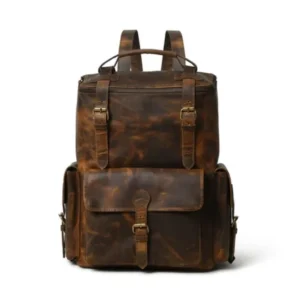
    Rugged brown full-grain leather backpack for professionals featuring multiple buckled utility pockets and ergonomic design for business travel.


    Engineering the Future: Smart Features and Modular Design

    The future of professional gear is poised for significant growth, driven by consumer preferences for personalized, tech-integrated solutions. In 2025, we are seeing the emergence of multidisciplinary cooperation among designers, engineers, and material scientists to create the next generation of gear.

    • Smart Sensor Integration: Some manufacturers have released business backpacks equipped with smart sensors and Bluetooth connectivity to sync with mobile apps, providing real-time updates about their belongings and weight distribution.

    • Modular Customization: Innovative brands are offering gear with customizable compartments. This allows a user to swap out a tech panel for a gym-kit organizer, reflecting the broader trend toward personalization.

    • Ergonomic Health: For professionals with back concerns, backpacks with adjustable harness systems and contoured back panels are gaining traction, emphasizing that leather backpacks work best when they prioritize the wearer’s long-term health.


    Maintenance and Longevity: Protecting Your Investment

    A high-quality leather backpack is a significant investment in both productivity and personal branding. Unlike synthetic alternatives that degrade quickly, a well-maintained leather bag can last decades.

    • Regular Conditioning: Experts recommend applying a leather balm or conditioner every 2–3 months to keep the hide supple and prevent cracking, especially in varyingly humid climates like the USA.

    • Avoid Overpacking: Exceeding a weight limit strains the zippers, stitches, and back panels. It is advised to carry only what is necessary and distribute weight evenly to maintain structural integrity.

    • Storage Best Practices: When not in use, avoid tossing your bag on the floor. Instead, hang it up or place it upright in a cool, dry place to maintain its structure.


    Conclusion

    Choosing the right leather backpacks for professionals in 2025 is a strategic decision that affects both productivity and personal branding. As professionals in the USA and globally continue to demand gear that is as resilient as it is refined, the market for high-quality business backpacks will only intensify. By partnering with experienced manufacturers like Panoramic Exports, brands can ensure they deliver the durability and craftsmanship that the modern global workforce requires.


    FAQs

    1. What is the best leather type for professional backpacks? Full-grain leather is the most durable option, as it retains the natural strength of the hide and ages beautifully over time. It is preferred in 2025 because its structure prevents a “slouchy” look often seen in lower-grade leather.

    2. How can I identify a high-quality business backpack for export? Look for SMETA (Sedex Members Ethical Trade Audit) compliant manufacturing, solid metal hardware (like YKK zippers), and a stitch density of 6–8 stitches per inch for maximum seam strength.

    3. Why is a trolley sleeve important for leather backpacks work? A trolley sleeve allows you to slide the backpack over a rolling suitcase handle, providing hands-free mobility and reducing physical strain during airport travel.

    4. Are there specific regulations for exporting leather goods to the USA? Yes, exporters must comply with CPSIA lead limits and ensure that all tanning chemicals and metal trims meet safety standards.

    5. What is the expected growth of the backpack market in 2025? The market is valued at USD 21.74 billion in 2025 and is expected to reach nearly USD 30 billion by 2030, driven by premium upgrades and e-commerce expansion.

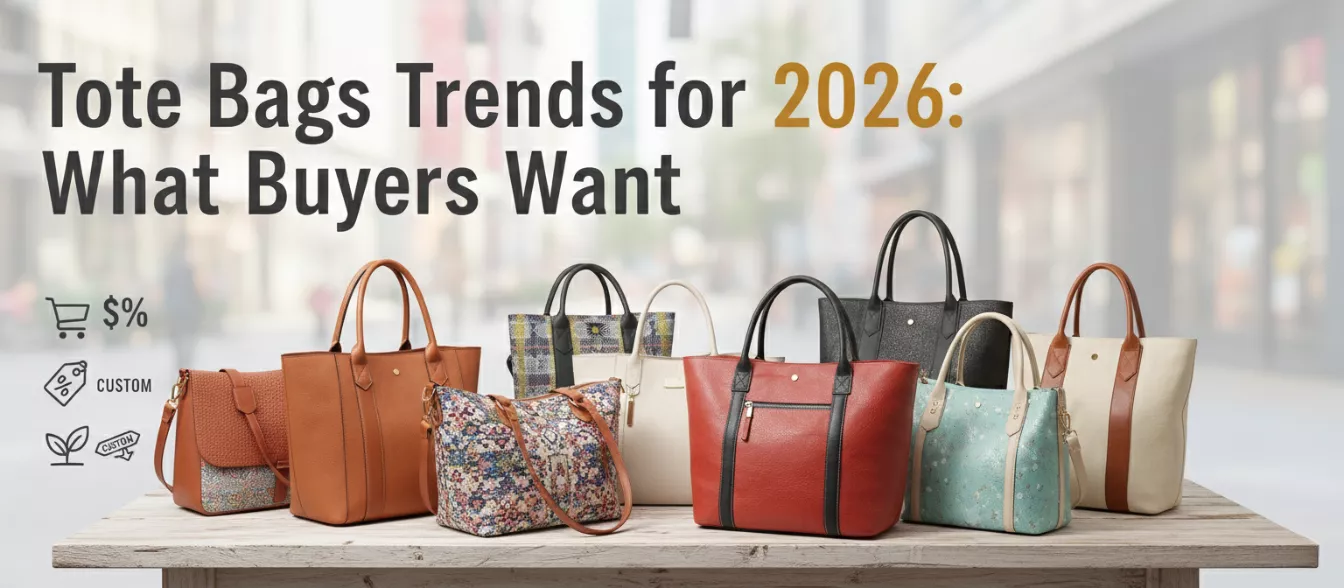
  • Tote Bags Trends for 2026: What Buyers Want

    Tote Bags Trends for 2026: What Buyers Want

    Tote Bags Trends for 2026: What Buyers Want

    The global accessories industry is entering a more disciplined and value-driven phase, and tote bags are at the center of this transition. In 2026, these bags are no longer viewed as basic carryalls or seasonal add-ons. They have evolved into core lifestyle products that buyers expect to perform across work, travel, and everyday use while maintaining refined aesthetics. As a result, understanding tote bags trends 2026 has become essential for exporters, retailers, and private label brands planning future collections.

    This article is written strictly with an informational and commercial intent, focusing on what buyers want from tote bags for women in 2026. It covers demand direction, leading silhouettes, material preferences, functional expectations, and regional buying behavior—with a primary focus on the USA as the target geography alongside other global markets.


    The Changing Role of Tote Bags in 2026 Collections

    Practicality has always been associated with this category, but in 2026, the role of the carryall expands beyond function alone. Buyers now position these items as everyday essentials that must also reflect modern design sensibilities.3 The shift toward hybrid lifestyles—where work, travel, and leisure overlap—has increased demand for versatile containers that can transition seamlessly across multiple use cases.

    This evolution directly influences tote bags trends 2026. Instead of novelty designs or logo-heavy statements, buyers prioritize longevity, versatility, and understated appeal. Tote bags for women are increasingly expected to remain relevant across seasons, reducing inventory risk while supporting consistent retail performance. Companies like Panoramic Exports have spearheaded this movement, offering product quality that businesses can count on for over 25 years.

    2026 Market Direction: What Is Driving Demand

    Demand in the 2026 market is being shaped by structural lifestyle changes rather than short-term fashion cycles, a shift that mirrors global retail insights on long-term accessory demand highlighted in McKinsey’s State of Fashion analysis. Buyers are increasingly cautious about trend volatility and are reallocating assortment space toward accessories that deliver consistent utility and repeat purchase potential. In the USA, the demand for durable, multi-purpose gear has made this category one of the most stable and scalable in the industry.

    Key demand drivers include:

    • Strong preference for larger silhouettes with well-organized interiors.

    • Growing acceptance of neutral, timeless design language.

    • Increased emphasis on responsible, durable materials that support long-term use.

    Why Buyers Are Moving Back to Capacious Tote Bags

    After several years of micro and impractical bags dominating fashion cycles, buyers are now observing clear consumer fatigue. In response, buying strategies have shifted back toward capacious tote bag styles that can accommodate daily essentials and personal items without sacrificing appearance.

    For tote bags for women, this return to larger formats aligns closely with work-from-anywhere routines and travel-heavy lifestyles prevalent in the USA and Europe. In 2026, designs that successfully balance size, structure, and comfort are seen as lower-risk investments with stronger long-term commercial performance. These shifts reflect a global consumer desire for meaningful utility.


    Dominant Tote Bag Styles Shaping 2026

    Design direction in 2026 reflects a balance between comfort and structure. Buyers are looking for tote bag styles that feel intentional, modern, and usable.

    East–West Tote Bags (Elongated Silhouettes)

    One of the most influential tote bags trends 2026 is the East–West silhouette. These horizontally elongated designs offer a sleek, architectural look that fits naturally under the arm. For professional women, these silhouettes provide a strong balance between elegance and everyday usability.

    Oversized Utility Tote Bags

    Oversized options are no longer reserved for travel. In 2026, they are positioned as daily companions. Buyers favor oversized tote bag styles that maintain shape and comfort while offering ample internal space without appearing bulky or unstructured.

    Soft-Structured and Sack Tote Bags

    Soft construction continues to gain traction. Sack-style and slouchy designs emphasize relaxed luxury and tactile appeal. These are particularly popular in the lifestyle and premium casual segments of the USA market.

    Quilted and Padded Carryalls

    Quilted textures remain relevant, but execution has matured. Buyers prefer larger, cleaner quilt patterns with lightweight padding. These padded carryalls are especially popular for travel and cooler climates.


    Material and Color Direction Influencing 2026 Collections

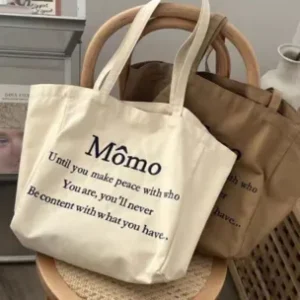
    Sustainable heavy-duty canvas tote bags in warm neutral tones showing retro-inspired serif typography and inspirational text.

    Material selection plays a critical role in how products are evaluated in 2026. Sustainability is no longer a niche benefit; it is a baseline expectation for tote bags trends 2026.

    • Bio-based Leather: Cactus, mushroom, and apple-derived materials are increasingly used in high-end collections.

    • Recycled Fabrics: Recycled nylon and performance fabrics are widely adopted due to their durability and water resistance.

    • Organic Canvas: Heavyweight organic canvas remains a staple, especially when traceability is available.

    Color Strategy: Buyers prioritize core neutral colors such as black, beige, taupe, grey, and off-white. These shades perform well across multiple seasons in the USA and global markets.

    Functional Expectations: What Buyers Look for Inside

    In 2026, buyers evaluate these products as engineered tools. Functionality plays a decisive role in repeat orders. Key expectations include:

    • Reinforced Handle Attachments: Critical for the load-bearing durability of the bag.

    • Structured Bases: Essential for shape retention and protecting internal contents.

    • Modular Internal Pouches: Allows for organized storage within the main compartment.

    • Internal Security: Zippered pockets or magnetic closures to keep personal items safe.


    Panoramic Exports: Your Global Partner for Bulk Orders

    Panoramic Exports has been a trusted name in the industry for over 25 years. We both make and export a wide range of strong, useful, and eco-friendly bags for businesses worldwide. Whether you need inventory for retail, promotions, or other uses, we deliver quality you can count on. Our expertise in manufacturing ensures your bulk orders are ahead of the market.

    Making and Sending Tote Bags from India

    India is known for its textile skills, offering great materials and talented workers. Our production sites in Noida and Kolkata handle everything from making to sending out your orders. We focus on good work and getting your products to you efficiently, wherever you are. Our commitment to quality is reflected in our long-standing industry presence.

    Reliable Partner for International Markets

    Working with Panoramic Exports for your sourcing needs is straightforward. We are Sedex-certified and supply many clients in the USA, UK, and Europe. We offer flexible order quantities and competitive prices for all tote bag styles. To explore more design options, please reach out to our team at merchandiser@panoramichomeservices.com, and they will send you a presentation of more designs for your selection.


    Regional Preferences Influencing 2026 Demand

    • USA / North America: Demand for oversized, highly functional everyday gear that supports a commute-to-gym lifestyle.

    • Europe: A focus on structured silhouettes, craftsmanship, and understated design language.

    • Asia-Pacific: Preference for compact fashion items and texture-rich tote bag styles.

    • Middle East: A market for statement designs with premium materials and high-end hardware.


    Conclusion

    The direction for 2026 clearly points toward conscious utility, refined silhouettes, and dependable functionality. Buyers expect tote bags for women to deliver everyday performance while maintaining a modern, understated aesthetic consistent with tote bags trends 2026.

    Export collections that focus on East–West silhouettes, sustainable materials, and the craftsmanship offered by experienced partners like Panoramic Exports will align most closely with buyer expectations. In a market increasingly driven by longevity and usability, these remain one of the most commercially resilient categories in global fashion. By staying tuned to tote bags trends 2026, retailers can ensure their assortments remain profitable and relevant.


    FAQs

    1. What defines tote bags trends 2026 for buyers?

    Functional silhouettes, larger capacity, sustainable materials, and understated design.

    2. Which tote bag styles are most in demand for 2026?

    East–West designs, oversized carryalls, soft sack styles, and quilted padded formats.

    3. Why are oversized tote bags important for women’s collections?

    They combine work, travel, and daily essentials into one versatile product, especially for the USA market.

    4. What materials are shaping 2026 assortments?

    Bio-based leathers, recycled fabrics, certified organic canvas, and natural fibers.

    5. What functional features do buyers expect in 2026?

    Buyers prioritize reinforced handles, secure internal organization, modular pouches, and durable, eco-friendly construction.

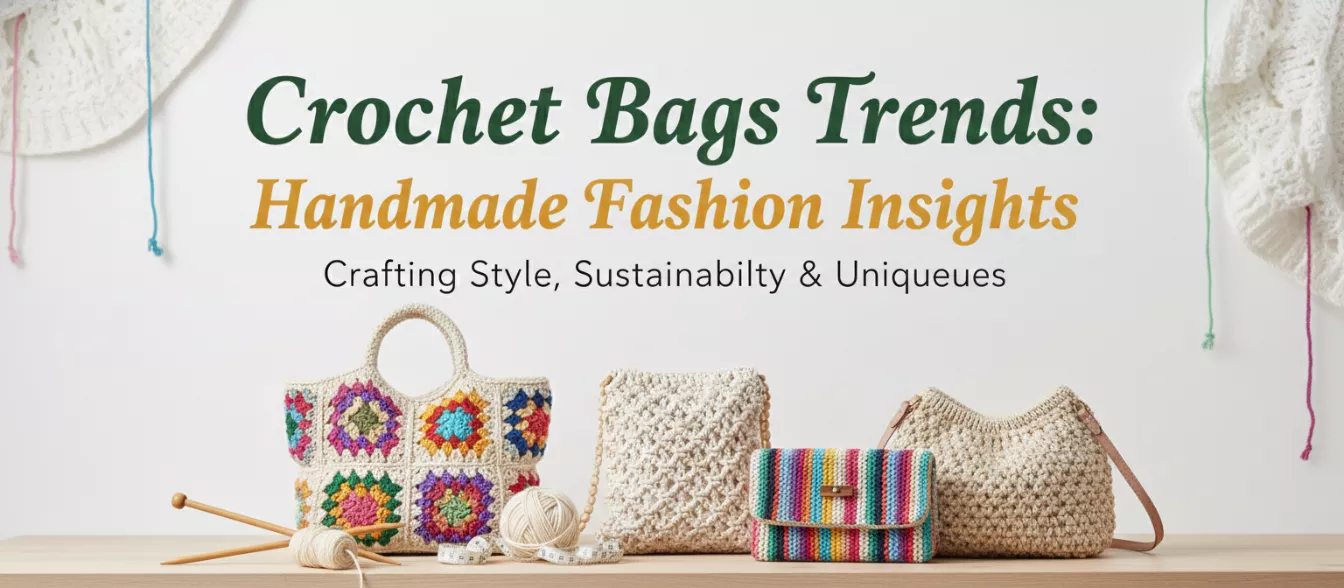
  • Crochet Bags Trends: Handmade Fashion Insights

    Crochet Bags Trends: Handmade Fashion Insights

    Crochet Bags Trends: Handmade Fashion Insights

    The global accessories landscape is undergoing a structural transformation, with artisanal fashion gaining renewed relevance across major consumer markets. Within this shift, handmade crochet bags trends are emerging as one of the most influential forces shaping the 2026 fashion cycle. Once perceived as niche or seasonal items, crochet bags are now positioned as lifestyle-driven accessories that combine sustainability, individuality, and craftsmanship.

    By 2026, the global knitting and crochet market is projected to reach approximately USD 10.76 billion, reflecting growing consumer demand for handmade alternatives to mass-produced fashion. While this evolution is global in nature, the United States stands out as the leading demand market, accounting for nearly 25.1% of global consumption. Strong gifting culture, high accessory ownership, and increasing alignment with slow fashion values make the USA the primary driver behind handmade crochet bags trends.

    For fashion brands, private labels, and exporters, understanding how crochet bags are evolving is no longer optional. It is essential for capturing high-intent Millennial and Gen Z consumers who increasingly view accessories as extensions of their ethics, lifestyle choices, and personal identity.


    The Artisanal Revival: Why These Trends Are Dominating

    The renewed interest in handcrafted goods during 2025–2026 is rooted in deeper psychological and cultural shifts. Consumers are moving toward what analysts describe as “grounded optimism,” seeking comfort in tangible, human-made products.

    Across the USA, mass production fatigue is evident. Shoppers are actively distancing themselves from algorithm-driven sameness and turning toward handmade bags that carry visible proof of time, effort, and skill. This mindset forms the foundation of current handmade crochet bags trends.

    Consumer Psychology and the Wellness Factor

    Nearly 48% of global consumers now associate knitting and crochet with wellness and mindfulness. This perception extends beyond hobbyists and directly influences purchasing behavior.

    Consumers increasingly prefer products that symbolize patience and intention rather than speed and automation. Crochet bags benefit directly from this mindset, as their handcrafted nature aligns naturally with wellness-oriented consumption.

    In the USA, this emotional connection is particularly strong among Gen Z buyers, who prioritize meaning and process as much as visual appeal.

    Sustainable Status and Ethical Visibility

    In the United States, 61% of buyers now actively prefer accessories made from natural, recycled, or low-impact materials. As a result, handmade crochet bags trends are strongly tied to the concept of “sustainable status.”

    Rather than overt logos, consumers use handmade accessories as visible signals of environmental awareness and ethical alignment. Crochet bags, especially those made with organic or recycled yarns, function as both fashion items and value statements.

    The USA Market Dynamics

    The USA remains the single largest engine for artisanal accessory demand. Annual import volumes of handmade bags exceed 14 million units, with crochet products accounting for a growing share.

    American women own an average of 11 handbags, creating strong replacement and gifting cycles. Buyers are increasingly willing to pay a premium for handmade crochet bags trends that deliver durability, uniqueness, and story-driven design.


    Signature Crochet Techniques Shaping 2026 Collections

    To remain commercially relevant, designers are reworking traditional crochet into modern, retail-ready formats. According to the FW 26/27 Handbag Trend Forecast, artisanal crochet and tricot techniques are projected to dominate the upcoming seasons, blending tradition with a “warm and inviting aesthetic” that appeals to modern consumers.

    The Dimensional Appeal of Granny Square Reimagining

    Granny squares are experiencing a major revival, but with a modern lens. Designers are abandoning muted palettes in favor of energetic tones such as Butter Yellow, Tangerine, Lime, and Sky Blue. This modular technique allows each unit to remain distinct, giving brands flexibility in layout and color blocking. As a result, handmade crochet bags using granny square formats appeal strongly to boutique retailers in the USA seeking limited-edition aesthetics.

    Intricate Macro-Crochet and Heavy-Gauge Textures

    Macro-crochet is one of the most visually impactful directions in the current market. Thick yarns and oversized stitches create bold, sculptural textures that elevate crochet bags from casual to statement accessories. These tactile surfaces generate strong engagement in e-commerce and social media, where texture-driven products perform exceptionally well. Heavy-gauge construction also improves load-bearing capacity, making these designs suitable for everyday use. For the USA market, this balance of visual drama and practicality is central to forecasted handmade crochet bags trends.


    Material Innovation in the Craft Sector

    Material selection has become the most critical factor in determining the success of any crochet collection. As buyers move away from synthetics, 2026 collections are increasingly defined by biodegradable, recycled, and responsibly sourced fibers.

    Sustainable Fibers: Organic Cotton, Raffia, and Hemp

    Organic cotton remains the dominant choice for premium crochet production. Its soft feel, breathability, and compatibility with GOTS-certified dyeing processes make it ideal for long-term use.

    Raffia and hemp are gaining popularity in resort and summer collections. These fibers are nearly 100% biodegradable and naturally UV-resistant, making them particularly suitable for USA sunbelt markets such as California, Florida, and Texas.

    These materials play a central role in shaping handmade crochet bags trends for warm-weather collections.

    The Rise of Recycled and Upcycled Yarns

    Approximately 38% of current demand in the crochet sector is now driven by recycled fibers. Ocean-bound plastic yarns, recycled PET, and upcycled denim strips are increasingly used to create high-durability designs.

    For luxury gifting segments in the USA, blending organic wool with silk or metallic threads adds festive appeal. These premium blends are especially popular during holiday seasons and limited-edition drops.

    For verified data on sustainable fiber standards, many fashion brands reference Textile Exchange, a globally recognized authority on responsible textile sourcing.


    Strategic Silhouettes: Beyond the Basic Market Shopper

    The handmade crochet bags trends of 2026 reflect a clear shift away from shapeless totes toward more structured, intentional silhouettes designed for modern lifestyles.

    The Architectural Baguette and Micro-Clutch

    The crochet baguette, inspired by late-1990s fashion, has become a top-performing silhouette. Its horizontal “East-West” profile fits neatly under the arm, making it ideal for urban wear.

    Micro-clutches are also gaining traction in the USA for social and evening use. Despite their compact size, these pieces are engineered with internal frames to preserve shape and structure.

    Structured Satchels and Sack Totes

    The sack tote represents the intersection of casual luxury and volume. Relaxed yet substantial, it suits the everyday needs of American consumers.

    To meet functional expectations, these designs increasingly include canvas linings and reinforced bases. As a result, handmade crochet bags trends now support work-to-weekend usage rather than purely decorative roles.


    Commercial Viability: Sourcing and Exporting Handmade Goods

    The USA handicraft market relies heavily on international sourcing, with India emerging as a key production hub for crochet accessories.

    Artisanal bags contribute nearly 15% of total handicraft output, making them a high-value export category.

    Quality Benchmarks for Global Retail

    One of the primary constraints in this sector is inconsistent quality, affecting nearly 36% of export orders. Successful brands mitigate this risk through multi-stage inspection processes.

    Stitch density, handle reinforcement, and hardware durability are non-negotiable benchmarks for USA and European retailers.

    Ethical compliance is equally critical. Sedex-certified production is now considered a baseline requirement, with buyers willing to pay 20–30% premiums for verified fair-labor practices tied to handmade crochet bags trends.

    Logistics and Scaling

    Private-label sourcing accounts for 26% of B2B orders in the artisanal segment. This model allows retailers to scale handmade collections without sacrificing exclusivity.

    Artisan traceability is also rising in importance. Around 23% of exporters now use QR codes to connect consumers directly with makers, a feature that resonates strongly in the USA market.


    Regional Market Analysis: The USA’s Growing Appetite for Slow Fashion

    Demand patterns for handmade crochet bags trends vary significantly by region.

    USA (Primary Market):
    American consumers favor oversized, multi-use designs. Approximately 64% of purchases fall into the mid-price segment, emphasizing durability and versatility.

    Europe:
    Buyers prefer understated luxury, smaller silhouettes, and heritage-focused craftsmanship.

    Asia-Pacific:
    While primarily a production hub, this region is also a growing consumer market for Boho-chic crossbody styles in digital colorways.


    Caring for Artisanal Investment Pieces: Longevity Tips

    One defining aspect of handmade crochet bags trends is the shift toward an investment mindset.

    Proper storage using shape protectors prevents yarn stretching. Gentle hand-washing with eco-friendly detergents preserves colorfastness and fiber integrity.

    Many brands now offer repair kits or lifetime mending services, reinforcing the sustainability narrative and extending product life cycles.


    Conclusion

    The handmade crochet bags trends of 2026 represent a powerful convergence of heritage craft and modern commercial engineering. For fashion brands, the opportunity lies in bridging boutique exclusivity with scalable production.

    By prioritizing sustainable fibers, structured silhouettes, and export-grade quality standards, retailers can successfully tap into the USD 1.25 billion USA market for artisanal accessories. In an era dominated by automation, the human hand remains fashion’s most valuable differentiator.


    FAQs

    1. What is driving handmade crochet bags trends in 2026?
    Rising demand for sustainable products, wellness-oriented consumption, and individuality are the primary drivers.

    2. Are crochet bags durable enough for daily use?
    Yes. Heavy-gauge yarns, reinforced linings, and structured bases ensure everyday durability.

    3. Which materials dominate current collections?
    Organic cotton, recycled PET yarns, hemp, and raffia lead handmade crochet bags trends.

    4. Why is the USA the main target market?
    The USA accounts for roughly 19% of global import demand, making it the most stable and high-volume market.

    5. How can buyers identify quality crochet bags?
    Look for consistent stitch density, ethical certifications, and reinforced handle attachments.

  • Leather Belts Styling Tips: Fashion + Utility

    Leather Belts Styling Tips: Fashion + Utility

    Leather Belts Styling Tips: Fashion + Utility

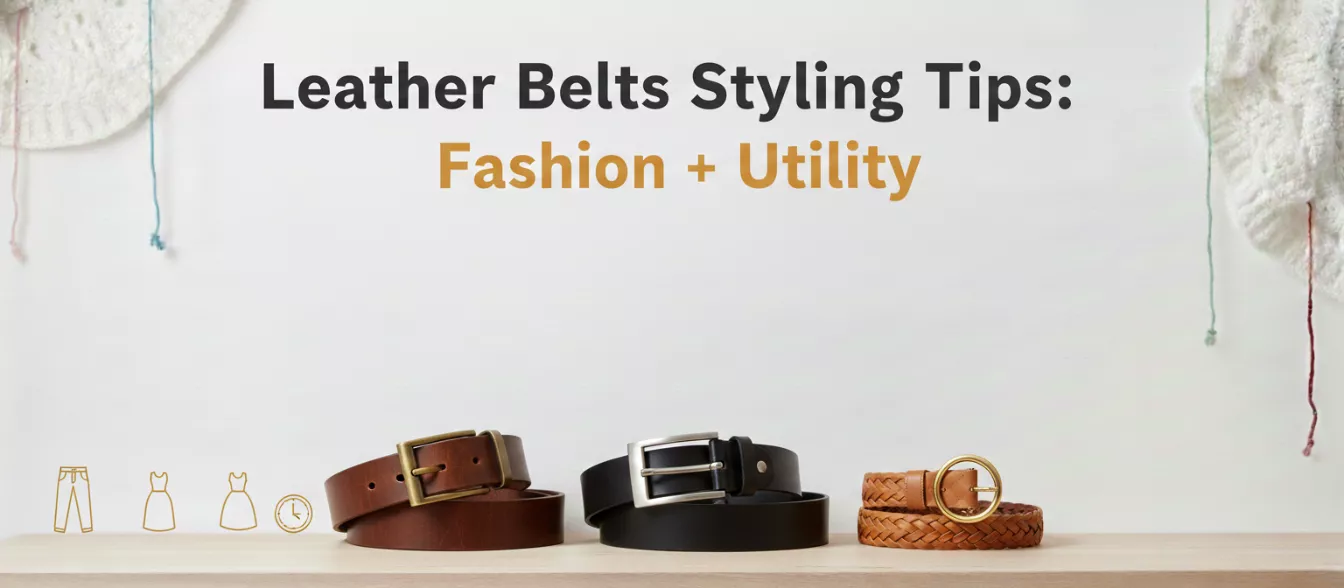
    In the United States, a high-quality waist strap is one of the most consistently worn accessories across everyday wardrobes. From corporate offices and business-casual workplaces to weekend denim and frequent travel, these items are a daily necessity for millions of Americans. While the functional role of such an accessory is straightforward—keeping trousers secure—its visual and structural impact is often underestimated. A well-chosen piece defines body proportions, creates visual balance, and links footwear, watches, and other elements into a cohesive outfit.

    Despite this importance, these items are frequently treated as an afterthought rather than a deliberate styling element. Understanding leather belts styling tips allows wearers to move beyond basic utility and use them as intentional fashion tools. In the USA, where dress codes vary widely by industry, region, and lifestyle, these details make a noticeable difference. At the same time, the principles discussed here apply globally, making them relevant for international consumers, fashion brands, and exporters.

    Whether you are starting with limited knowledge or refining an existing collection, this guide covers everything from material quality and sizing to advanced proportion techniques. By following proven advice, you can build outfits that feel polished, confident, and adaptable across both American and global style contexts.


    The Foundation: Understanding Material Quality

    Before applying any professional techniques, it is essential to understand the raw material itself. In the USA, these accessories are often worn for long hours—during commuting, office work, travel, and social activities—so durability directly affects comfort and appearance. Not all hides perform the same, and choosing the right grade determines how an item ages over time.

    Full-Grain Options

    Full-grain is considered the highest-quality selection. It uses the complete outer layer of the hide, preserving natural texture. This makes it exceptionally durable and allows it to develop a rich patina with use. In American wardrobes, these are favored for their longevity and premium feel, especially in professional settings.

    Top-Grain Varieties

    Top-grain is lightly sanded to remove surface imperfections, resulting in a smoother and more uniform appearance. Many professionals in the USA prefer these for office wear because they balance refinement with flexibility. It is a staple in high-end belt designs.

    Genuine Grade

    Despite its name, genuine grade refers to lower-quality layers bonded together. These are common in mass-market retail across the USA but often stretch, crack, or peel with regular wear. From a long-term perspective, they offer limited value. Relying on this grade often contradicts the core advice of experts regarding durability.

    Bonded Materials

    Bonded materials are made from shredded scraps combined with synthetic binders. They lack durability and should be avoided if longevity and appearance matter. Most modern belt designs in the luxury sector avoid this construction entirely.

    Understanding these distinctions is the first step toward applying leather belts styling tips that actually last. Quality is the bedrock of any well-curated wardrobe.


    Knowing Your Styles: Casual vs. Formal

    One of the most common mistakes in the USA is wearing the wrong strap for the occasion. American dress codes range from formal corporate environments to relaxed casual settings, making it essential to understand where each of the diverse belt designs belongs.

    Formal Styles

    Formal options are designed to support tailored outfits without drawing unnecessary attention.

    • Width: Typically between 1 inch and 1.35 inches.

    • Finish: Smooth, polished, or lightly glossy.

    • Buckle: Small, minimalist frame hardware in silver, gold, or gunmetal.

    In American offices and formal events, these are standard with suits, dress slacks, and tailored chinos. One of the most important leather belts styling tips here is restraint—the accessory should complement the outfit rather than dominate it.

    Casual Styles

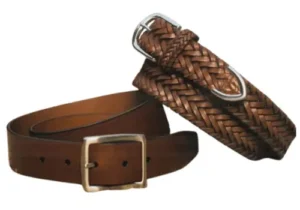
    High-quality leather belts in brown tones featuring a smooth classic strap and a rugged braided design for casual styling."

    Casual options reflect the relaxed side of American fashion and often feature rugged looks.

    • Width: Usually 1.5 to 1.75 inches.

    • Finish: Matte, textured, suede, pebbled, or braided.

    • Buckle: Larger or heavier, including roller or western-style hardware.

    These pair naturally with jeans, cargo pants, and casual chinos, making them staples of everyday USA wardrobes. Utilizing these insights ensures your casual look remains grounded and masculine.


    Finding the Perfect Fit: Sizing 101

    Fit is one of the most overlooked yet critical areas of fashion. In the USA, where these items are worn for extended periods, incorrect sizing quickly becomes uncomfortable and visually distracting. Proper sizing is a key component of functional elegance.

    The Golden Rule

    The standard size should be approximately two inches larger than your pant waist measurement. For example, a 34-inch pant typically pairs with a 36-inch strap. This is among the most basic leather belts styling tips.

    The Pro Tip

    A correctly sized strap should fasten at the third (middle) hole of a five-hole system. This ensures balanced proportions and leaves a clean tail length—an essential detail in professional settings. If you find your belt designs don’t fit this way, it may be time for a resize.


    Matching Metals and Colors

    Accessory coordination is a hallmark of polished American styling and a core element of a sharp wardrobe.

    Material Coordination

    The strap should match the color family of your shoes. Black shoes require black; brown shoes require brown. Exact shade matching is not required, but warm and cool tones should align. This is a fundamental rule in the fashion world.

    Metal-to-Metal Coordination

    Match the buckle with other metal accessories such as watches or rings. Silver with silver, gold with gold. This subtle detail significantly improves overall outfit cohesion and is frequently cited as a top recommendation.


    The “Gig Line”: Precision Alignment

    The “Gig Line” is a styling principle borrowed from military dress standards and widely respected in American formal wear. It refers to the vertical alignment of your shirt placket, buckle, and trouser fly. Maintaining this alignment creates a disciplined, intentional appearance and is one of the most effective leather belts styling tips for professional environments. It elevates simple belt designs into a sharp, executive look.


    Advanced Proportion Techniques

    Once the fundamentals are mastered, these accessories can be used strategically to enhance body proportions and outfit balance. This is where personal style becomes a true art form.

    Creating Visual Balance

    • Shorter Builds: Matching the strap and trouser colors creates a continuous vertical line, making the body appear taller.

    • Taller Builds: A contrasting color breaks up height and adds a focal point.

    • Women’s Styling: In the USA, cinching over blazers or dresses is increasingly popular for defining the waist and adding structure. Contemporary belt designs for women often focus on these styles.

    Texture and Pattern Choices

    • Suede and Braided Options: Ideal for business-casual and smart-casual American outfits. These add tactile interest.

    • Embossed or Patterned Options: These should serve as statement pieces, balanced by simpler clothing. This is a daring way to use leather belts styling tips.


    Maintenance: Ensuring Long-Term Value

    Since these are everyday accessories in the USA, proper care is essential. Even the best products deteriorate without maintenance. To preserve your investment, follow these steps:

    1. Rotation: Avoid wearing the same strap daily to allow the fibers to rest.

    2. Conditioning: Apply a specialized conditioner every 6–12 months to maintain flexibility.

    3. Storage: Hang vertically or roll loosely to prevent permanent creasing. This keeps your belt designs in pristine condition.

    Consistent care ensures that your style remains effective over time rather than undermined by worn materials.


    Global Trends and Export Insights for 2026

    Looking ahead, the market in the USA is aligning closely with global trends. Quiet luxury, minimalist hardware, and sustainable materials are shaping future belt designs. Vegetable-tanned options are gaining popularity as consumers look for eco-friendly ways to accessorize.

    For exporters supplying the USA, meeting sustainability and quality standards is increasingly important. Global benchmarks and trade guidance are available through the International Trade Centre (ITC), while classic American styling principles continue to influence global markets. The evolution of designs toward a mix of heritage and technology is a key theme for the coming years.


    Summary Table: Quick Style Reference

    Feature Formal Style Casual Style
    Typical Width 1″–1.25″ 1.5″–1.75″
    Texture Smooth, polished Suede, grainy, braided
    Buckle Style Slim frame Roller or plate
    Occasion Business, formal Casual, weekend
    Matching Rule Strict Relaxed

    Conclusion

    Mastering leather belts styling tips is about intentional dressing rather than simple function. In the USA, where these items are worn daily across professional and casual environments, understanding quality, fit, coordination, and proportion makes a measurable difference in appearance. At the same time, these principles remain globally relevant, making them valuable for international consumers and exporters.

    By applying these lessons consistently, a strap becomes more than an accessory—it becomes a defining element of personal style. The intersection of classic fashion and daily utility is where true elegance is found. Invest in high-quality belt designs, maintain them well, and use them to anchor your wardrobe.


    FAQs

    1. Should my leather strap always match the exact color of my shoes?

    In formal American settings, you should match the color and finish as closely as possible, while casual looks allow for more flexibility as long as the shades stay within the same family.

    2. What is the most versatile color for a beginner to own?

    A medium-to-dark brown is the most versatile choice, as it pairs effortlessly with denim, navy, charcoal, and various earth-toned trousers.

    3. Is it ever acceptable to wear a black strap with brown shoes?

    It is generally considered a fashion error to mix black and brown, as the harsh contrast disrupts the visual flow and coordination of your outfit.

    4. How can I tell if a buckle is too large for my outfit?

    A buckle is likely too large if it is wider than the strap itself or if it draws more attention than the rest of your ensemble combined.

    5. Why do high-quality straps tend to curve or bow over time?

    A natural curve develops as the fibers mold to your specific body shape and posture, creating a custom fit that significantly increases long-term comfort.

  • Best Leather Travel Bags for Worldwide Journeys

    Best Leather Travel Bags for Worldwide Journeys

    Best Leather Travel Bags for Worldwide Journeys

    The international travel sector is undergoing a structural shift toward high-utility, professional-grade gear. For bulk importers and retail buyers, the best leather travel bags are no longer viewed as simple fashion accessories; they have evolved into high-performance assets meticulously designed for the rigors of global commerce and frequent transit. In the USA, a market valued at approximately 220 billion within the broader leather goods landscape, the demand for “rugged luxury” has transformed durable travel gear into a top-tier category for department stores, boutique outlets, and high-end e-commerce platforms alike.

    For over 25 years, Panoramic Exports has specialized in bridging the gap between traditional Indian craftsmanship and the technical demands of Western markets. By focusing on export-grade construction and ethical manufacturing, we provide the best leather travel bags that meet the stringent quality and compliance standards required for worldwide journeys. As we move into 2026, the global leather goods market is projected to grow at a CAGR of 6.7%, reaching an estimated 501 billion, with premium luggage serving as a primary driver.


    Discover the Best Leather Travel Bags: Rugged Design for Global Export

    Export buyers and frequent travelers prioritize items that offer “structural longevity.” To be classified among the best leather travel bags, a product must balance a high-aesthetic finish with industrial-strength features. For a bag to be considered a leader in its class, it must survive the high-stress environment of international airports, from overhead bin shuffles to rough conveyor belt handling.

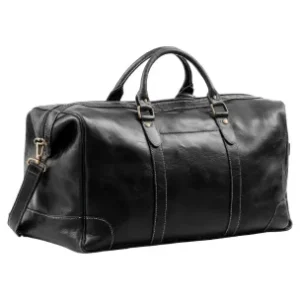
    Best leather travel bags featuring full-grain black leather, reinforced handles, and industrial-strength hardware for global transit.

    1. High-Tensile Construction Standards

    Ruggedness in this category is defined by the technical specifications of the materials used.

    • Full-Grain Superiority: We prioritize full-grain buffalo and cowhide, as these materials retain the dense fiber layers necessary for tear resistance during airport handling. Full-grain is the gold standard for the best leather travel bags because it develops a protective patina rather than peeling or cracking over time.

    • Stress-Point Reinforcement: Every anchor point—where the handle or shoulder strap meets the body—is reinforced with hidden heavy-duty polyester webbing and solid brass rivets. This prevents failure under full loads, a hallmark of the best leather travel bags.

    • Industrial Hardware: The use of solid metal YKK zippers ensures smooth operation even when the bag is packed to its maximum capacity. This is a critical feature, as hardware failure is the leading cause of luggage returns for travelers.

    2. Features Built for the Frequent Traveler

    Frequent travelers require duffles and totes that serve as mobile offices. The best leather travel bags must offer more than just volume; they need intelligent engineering to accommodate modern tech.

    • Trolley-Sleeve Integration: A leather strap on the rear of the bag allows it to slide over rolling luggage handles, providing essential hands-free mobility for USA commuters. High-performance designs always prioritize this level of ergonomic convenience for the user.

    • Device Protection: Integrated, foam-padded compartments for 15-inch and 17-inch laptops are a standard requirement in modern luggage.

    • Organized Capacity: Dedicated internal zones for passports, power banks, and footwear allow travelers to maintain organization throughout a worldwide journey. Premium designs often include a separate shoe compartment to keep garments pristine.


    Strategic Market Analysis: USA & Global Buying Behavior

    Understanding regional demand is essential for retailers looking to optimize their inventory. By analyzing global trends, we can see that consumer preferences shift significantly based on geography, though the desire for quality remains universal.

    The USA: The Hub for Utility-Driven Luxury

    The USA remains the primary target for the best leather travel bags due to its high-volume travel culture. American buyers gravitate toward items that offer:

    • “Oversized” Functionality: Large-capacity duffles that serve for both gym and 3-day business trips. This versatility is what makes them popular for the diverse American lifestyle.

    • Aged Aesthetics: A preference for “Crazy Horse” or oil-pull-up leathers that show character. Top-tier products in this market are those that look better with every mile traveled across the states.

    • Heritage Storytelling: A deep appreciation for the artisan-led manufacturing process provided by partners like Panoramic Exports.

    The Global Perspective: Europe & Asia-Pacific

    While the USA focuses on ruggedness, the global secondary market shows diverse needs:

    • European Refinement: A move toward “Quiet Luxury”—minimalist silhouettes with hidden hardware and smooth, matte finishes.

    • APAC Innovation: Growing demand for tech-integrated totes featuring RFID-shielded pockets and biometric security for secure international transit. High-quality designs in Asia often include smart-tracking features for added safety.


    Panoramic Exports: Your Partner in Professional Sourcing

    Sourcing the best leather travel bags requires a manufacturer that understands both the art of tanning and the science of export logistics. Panoramic Exports operates specialized facilities in Noida and Kolkata, India, allowing us to combine local material expertise with global distribution efficiency. We understand that to produce top-tier goods, one must control the entire supply chain.

    Compliance and Ethical Excellence

    We are a Sedex-certified manufacturer, meaning our production processes are audited for social responsibility and ethical labor practices. This certification is vital for USA and European brands that must maintain transparent and responsible supply chains. Our commitment to excellence is verified through our alignment with global trade standards, which you can verify via the Council for Leather Exports (CLE), the apex body for Indian leather trade promotion.

    Customization for Private Labels

    We offer extensive OEM/ODM services for brands looking to develop their own line of travel gear. From custom-embossed logos to bespoke hardware finishes, we help our clients create a unique brand identity that resonates in the competitive global market for the best leather travel bags.


    Quality Benchmarks for Bulk Procurement

    When evaluating goods for wholesale, we recommend focusing on these three technical indicators:

    1. Edge Finishing: Professional burnishing or painting prevents the leather from fraying at the seams. In high-quality accessories, edges are often hand-painted to ensure a luxurious finish.

    2. Stitch Density: A minimum of 6-8 stitches per inch provides the seam strength required for heavy travel gear. We use heavy-duty nylon thread that is resistant to rot and friction for all our exports.

    3. Hardware Weight: Solid metal hardware should feel substantial; hollow or “pot metal” hardware is a sign of lower-quality construction and is never used in the best leather travel bags.


    The Economics of Genuine Leather Travel Goods

    In 2025-2026, the “Price-per-Wear” and “Longevity” of products have become primary sales drivers. Premium leather goods are seen as long-term investments rather than disposable items. In the USA, the average consumer is willing to pay a premium for the best leather travel bags that offer a lifetime of use. This shift toward durability is a core reason why the genuine leather segment is outperforming synthetic alternatives.


    Conclusion

    Finding the best leather travel bags is a strategic decision that affects both brand reputation and customer loyalty. As global travel continues to expand, the demand for luggage and totes that can survive a worldwide journey will remain constant. By partnering with experienced manufacturers like Panoramic Exports, brands in the USA and beyond can ensure they are offering the highest-quality, ethically produced leather goods available. For up-to-date global shipment analytics and leather trade intelligence, professional buyers often consult The Trade Vision.

    The best leather travel bags are those that marry Indian artistry with the technical performance required for the modern world. As we look toward the future, these products will continue to integrate sustainable practices, such as vegetable tanning and lead-free hardware, ensuring that the best leather travel bags are as good for the planet as they are for the traveler.


    FAQs

    1. What leather grade is best for heavy-duty travel bags?

    Full-grain leather is the gold standard for the best leather travel bags because it retains the strongest fibers of the hide, ensuring maximum durability and tear resistance.

    2. How does Panoramic Exports ensure the quality of its products?

    We utilize a multi-stage inspection process, including stress tests on handles and 10,000-cycle fatigue tests on zippers to guarantee they rank among the leaders on the market.

    3. Are there specific import regulations for travel luggage in the USA?

    Yes, exporters must comply with various standards, including chemical safety (REACH/Prop 65) and labeling requirements (16 CFR Part 24), all of which are managed by Panoramic Exports.

    4. Can I order custom designs for my own brand?

    Yes. Panoramic Exports specializes in private label manufacturing, allowing you to customize the leather type, hardware, and internal features of the best leather travel bags you wish to launch.

    5. How long does a high-quality leather travel bag typically last?

    When made from premium full-grain leather, these bags are designed to last for decades, often looking better as they age and develop a natural patina, truly making them the best leather travel bags for a lifetime of adventure.

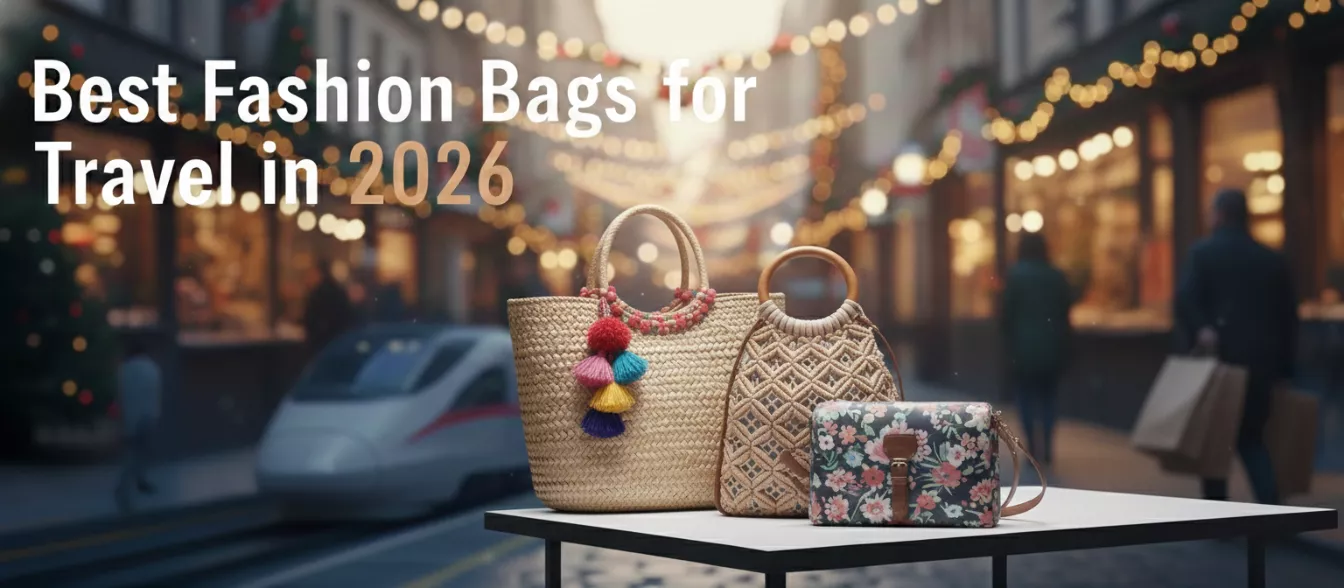
  • Best Fashion Bags for Travel in 2026

    Best Fashion Bags for Travel in 2026

    Best Fashion Bags for Travel in 2026

    The global travel landscape is undergoing a significant transformation. This shift is driven by a surge in international tourism and a renewed consumer focus on “functional aesthetics.”

    In 2025, the best fashion bags for travel are no longer defined solely by their silhouette. Instead, success lies in their ability to integrate high-end style with the rigorous demands of modern transit.

    Market data indicates that the global travel bag industry is projected to grow from $21.18 billion in 2025 to over $28 billion by 2029. This growth occurs as travelers prioritize quality over disposable fast fashion.

    For global fashion buyers and export markets, particularly in the USA, the trend has shifted toward versatile, lightweight gear. Consumers now seek sustainably manufactured products that reflect their personal values and style.


    2025 Market Dynamics: The Intersection of Utility and Aspiration

    North America continues to be a powerhouse in the global luggage market. There is a strong emphasis on premium branding and high-performance durability across the region.

    This dominance is propelled by a rising trend among American consumers for short getaways and weekend staycations. Many are also embracing “bleisure” trips—a strategic blend of business and leisure travel.

    According to recent reports, the number of international travelers is expected to reach 1.8 billion by 2025. This creates an unprecedented demand for stylish travel totes and travel fashion bags.

    Ideally, these bags offer enough capacity for a multi-day trip. Simultaneously, they remain compact enough to serve as a personal item on an aircraft.

    The Shift to Carry-On Culture

    Current data suggests that approximately 51% of travelers now actively avoid checked luggage. This behavioral shift aims to save time and reduce expensive airport fees.

    As a result, lightweight designs—specifically those weighing between 7 and 8 pounds when empty—are the gold standard. These are now considered the best fashion bags for travel.

    Consumers are increasingly willing to invest in mid-range and premium segments. These categories are poised to hold nearly 45% of the market share this year.


    Emerging Design Philosophies for Jetsetters

    Fashion in the travel sector is moving toward a more curated, refined aesthetic. The following design philosophies are currently shaping the export markets and retail shelves in the USA:

    • “Americana” and Heritage Aesthetics: A resurgence of conservative aesthetics in 2025 is characterized by neutral palettes and classic silhouettes. Minimalist details convey elegance and a strong connection to American heritage.

    • East-West Silhouettes: Horizontal, elongated shapes are a cornerstone of 2025 trends. They offer a sleek alternative to traditional vertical designs and appeal to minimalist-focused retailers.

    • Textured Luxury: Suede and woven textures in chocolate brown and tan are elevating the perceived value of luxury collections. These materials justify higher price points for stylish travel totes.

    • Convertible Multi-Functionality: Designs like backpack-tote hybrids cater to minimalist travelers seeking a single, multipurpose bag. This versatility is why many consider them the best fashion bags for travel.


    The Smart Luggage Revolution: Tech-Enhanced Voyaging

    Beyond appearance, travel fashion bags in 2025 are increasingly viewed as high-tech tools. Approximately 40% of global buyers now prioritize smart luggage integration.

    Rugged brown full-grain leather travel duffel bag with a front buckle pocket and reinforced top handles.

    This demand is leading to a market growth rate of 10.8% CAGR for tech-enabled suitcases. Key features include:

    • Intelligent Weight Sensing: Built-in sensors notify travelers via mobile apps when they exceed airline weight limits. This is becoming a standard in premium models.

    • Real-Time Visibility: AI (Artificial Intelligence) driven tracking and integrated GPS provide peace of mind. Travelers can locate their bags effortlessly throughout their journey.

    • Seamless Connectivity: Integrated USB charging ports and Bluetooth connectivity ensure that digital nomads stay powered between flights.

    • Biometric Security: The latest elite models now feature fingerprint authentication and facial recognition locks to prevent unauthorized access in crowded hubs.


    Material Mastery: Engineering for the Global Voyager

    For international buyers, the durability of a bag is as critical as its visual appeal. High-performance materials like polycarbonate for hard-shells remain industry favorites.

    Ballistic nylon and high-density polyester are also preferred for soft-sided bags. These materials offer superior protection while maintaining lightweight properties.

    The Sustainable Innovation Peak

    The best fashion bags for travel in 2025 increasingly utilize eco-friendly alternatives. Nearly 35% of buyers now actively favor sustainable products.

    Innovations include:

    • Waste-Based Bio-Leathers: Materials crafted from winemaking byproducts (grape leather) or pineapple leaf waste (Piñatex) offer durable, animal-free alternatives.

    • Regenerated Synthetics: ECONYL, a regenerated nylon made from ocean waste, can be recycled infinitely without losing quality.

    • Natural Fiber Strength: Organic hemp is emerging as a top choice. It offers a carbon-negative footprint and extreme durability, often outlasting conventional cotton.

    • Circular Hardware: Companies are now growing biodegradable components, such as buckles made from starch. This ensures the bag is fully compostable at its end-of-life.


    Panoramic Exports: A Strategic Informational Sourcing Partner

    In the competitive world of international manufacturing, Panoramic Exports stands out. They focus on the intersection of traditional craftsmanship and modern technical standards.

    With over 25 years of experience, they are a recognized leader in producing premium leather accessories. They serve major brands in the USA, UK, and Europe.

    As a partner for global retail brands, Panoramic Exports facilitates the creation of the best fashion bags for travel. They consistently meet the stringent quality benchmarks of the global market.

    Compliance and Quality Excellence

    Their expertise extends into deep export compliance. They ensure that products utilize materials sourced from LWG (Leather Working Group) approved tanneries.

    Operations also adhere to global safety and ethical labor standards. By offering highly customizable stylish travel totes, they allow brands to capture the 2025 aesthetic.

    Their Sedex-certified operations in Noida and Kolkata blend artisanal Indian workmanship with state-of-the-art technology. This makes them a preferred partner for international buyers seeking reliability.


    Strategic Procurement Checklist for Global Retailers

    Procurement Feature Strategic Value in 2025 Preferred Specification
    Empty Weight Compliance with airline carry-on rules 7–8 lbs for maximum packing capacity
    Mobility Systems Ease of navigation in high-traffic hubs 360° double spinner wheels
    Security Layering Theft prevention and identity safety RFID blocking pockets and TSA locks
    Expansion Tech Packing flexibility for last-minute buys Expandable designs (adds 2–3 inches)
    Sustainability Alignment with ethical consumerism GOTS cotton or GRS recycled PET

    Conclusion

    The best fashion bags for travel in 2025 are redefined as stylish companions. They must showcase taste, individuality, and refinement while remaining functional.

    Whether it is a sleek stylish travel tote or a durable travel fashion bag, the focus remains on lightweight construction. Sustainable materials are no longer optional—they are expected.

    As the market evolves toward smart technology, partnering with experienced manufacturers like Panoramic Exports is essential. They ensure your brand stays at the forefront of quality and innovation.

    For an in-depth look at global trends, industry professionals often consult the Travel Goods Association (TGA).


    FAQs

    1. What defines a “Quiet Luxury” travel bag in 2025?

    Quiet Luxury emphasizes minimalist designs and high-quality materials. It prioritizes clean lines and neutral color palettes over loud, flashy logos.

    2. Why are backpacks and duffles surging in popularity for professional travelers?

    These styles comply easily with airplane cabin storage rules. Backpacks specifically offer ergonomic, tech-ready designs and superior hands-free mobility.

    3. Are hard-side travel bags more fashionable than soft-side ones this year?

    Hard-shell bags are trending for their polished, minimalist look. However, soft-sided bags remain popular in the USA for their flexibility and external pockets.

    4. What are the must-have security features for stylish travel totes in 2025?

    The top features include RFID blocking compartments and slash-resistant materials. TSA-approved locks are also vital for safe inspections.

    5. How are “smart” features changing the best fashion bags for travel?

    Integration of built-in weight sensors and GPS tracking transforms bags into essential tools. These features significantly reduce the stress of modern transit.

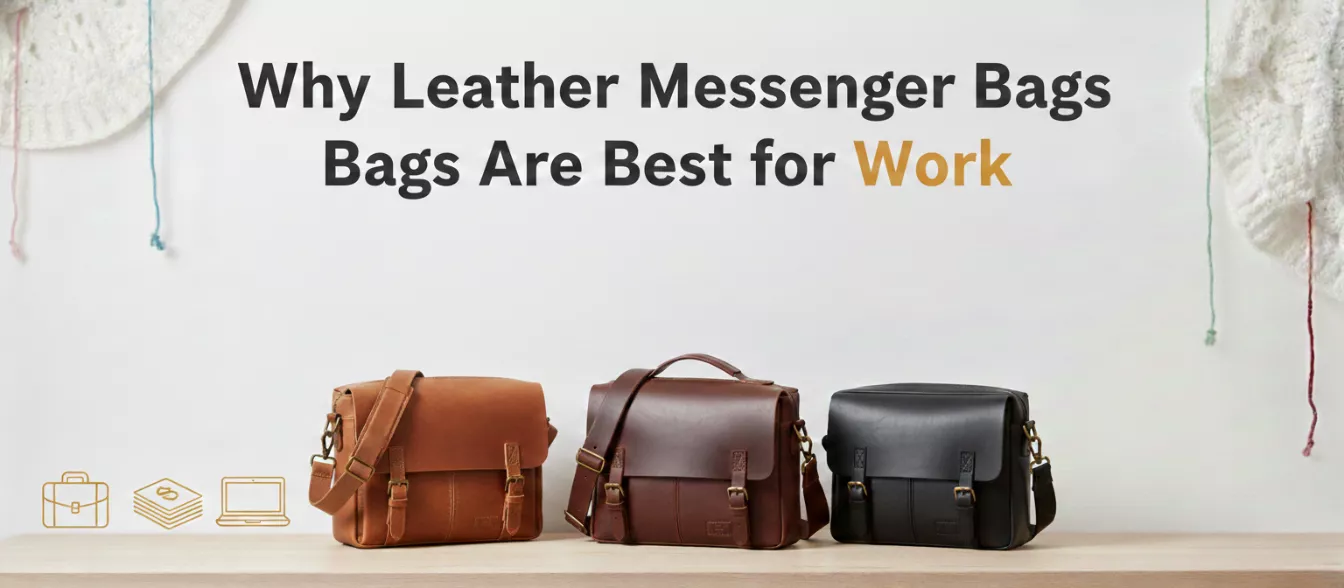
  • Why Leather Messenger Bags Are Best for Work

    Why Leather Messenger Bags Are Best for Work

    Why Leather Messenger Bags Are Best for Work

    In the fast-paced corporate environments of the USA, the tools a professional carries are more than just functional items; they are an extension of their executive presence. While backpacks have seen a surge in casual offices, the leather messenger bag has maintained its status as the premier choice for those who value a blend of heritage and modern utility. For global wholesalers and retail buyers, understanding the specific leather messenger bags features that drive this commercial demand is essential for successful market positioning.

    The modern “work bag” must now act as a mobile office. As hybrid work models become the standard, the average professional requires a carrier that transitions seamlessly from a home office to a corporate boardroom or an airport lounge. This guide provides an in-depth analysis of why leather messenger bags remain the superior choice for work, focusing on the material science, ergonomic design, and structural features that appeal to a high-end international clientele.


    The Strategic Anatomy of Professional Carry Solutions

    What differentiates a professional messenger from a casual satchel is the intentionality behind its internal and external architecture. Leather messenger bags features are engineered specifically to address the pain points of a busy professional who needs both accessibility and protection.

    The Engineering of Tech-Safe Compartments

    Modern work is undeniably digital, which means the safety of a laptop or tablet is the user’s primary concern. Premium bags prioritize:

    • Suspended Laptop Sleeves: High-density foam compartments that are “floated” away from the base of the bag to prevent direct impact if the bag is dropped.

    • Velcro or Magnetic Security: Ensuring the device remains stationary during movement, preventing internal friction against other metal accessories like chargers or keys.

    Ergonomic Mobility for the Urban Commuter

    In major USA cities, hands-free mobility is a non-negotiable requirement. The crossbody nature of these shoulder bags offers unique ergonomic advantages:

    • Crossbody Weight Distribution: By distributing the load diagonally across the torso, the bag centers the center of gravity, making it easier to navigate public transit or cycle to work.

    • Padded Shoulder Straps: Wide, adjustable straps with integrated padding reduce local pressure on the trapezius muscles, ensuring the bag remains comfortable even when fully loaded with a 16-inch laptop and legal documents.


    Why High-Grade Hide Outperforms Synthetic Alternatives

    From a commercial perspective, the value of a bag is measured by its lifespan and return on investment. While nylon and polyester bags are cheaper to manufacture, they fail to provide the professional “status signal” and longevity associated with natural leather.

    In the United States, leather product descriptions and material claims are regulated under federal guidelines to prevent misleading labeling, making transparency around full-grain and genuine leather especially important for professional work bags.

    The Resilience of Full-Grain Leather

    When evaluating leather messenger bags features, material grade is paramount. Full-grain leather is the strongest part of the hide, with intact fibers that haven’t been weakened by sanding or buffing. This gives the bag the structural integrity to support heavy weight without the seams stretching or tearing.

    The Esthetic Advantage of the Patina

    Unlike synthetic materials that fray and look worn over time, high-quality leather develops a patina. This natural darkening and sheen serve as a testament to the bag’s history and quality. In the professional world, a well-aged leather bag is a symbol of maturity and experience, making it a favorite for senior executives and partners.


    Organizational Excellence: Features for the Global Professional

    Global buyers and sourcing agents prioritize leather messenger bags features that offer “organizational mastery.” These bags are designed to act as a command center for the person on the move.

    Internal Compartmentalization

    A cluttered bag leads to a cluttered mind. Professional messengers often feature:

    • Gusseted Dividers: Allowing the bag to expand for large files and contract for a slim profile when only carrying a tablet.

    • Dedicated Tech Loops: Specialized elastic or leather loops for cable management, pens, and external batteries.

    Accessibility Features

    The ability to retrieve an item quickly is a hallmark of good design.

    • Rear Quick-Access Pockets: Essential for storing travel documents or smartphones without needing to unbuckle the main flap.

    • Magnetic Snaps Under Buckles: This clever design provides the formal look of a buckle with the convenience of a quick-release magnet, a highly sought-after detail in the USA market.


    Manufacturing Integrity: The Professional Perspective

    Success in the international export market requires a manufacturing partner that understands the nuanced demands of the professional user. A strategic manufacturing partner must look at the product through a “panoramic” lens—considering not just the final look, but the ethical and structural journey of the item.

    Panoramic Exports: A Focus on Structural Integrity

    In a shift away from standard mass-production, some manufacturers prioritize the “Panoramic” view of a product’s life. Panoramic Exports focuses on the intersection of traditional Indian leather-working and the strict social compliance standards required by USA importers. By ensuring the “invisible” leather messenger bags features—such as reinforced base plates, nylon-bonded stitching, and industrial-grade hardware—are perfect, they provide a product that meets the heavy-usage demands of international professionals. Their commitment to SEDEX-audited facilities ensures that the commercial value of the bag is matched by its ethical value.


    Procurement Checklist: Assessing Professional Commercial Value

    When sourcing professional gear, retail buyers should evaluate the following leather messenger bags features to ensure they are providing the best possible ROI to their customers:

    Feature Category Target Requirement Commercial Impact
    Material Grade Full-Grain or Top-Grain Lower return rates and higher resale value.
    Hardware Solid Brass or Gunmetal Zippers No mid-commute mechanical failures.
    Strap Quality Padded, Detachable, Adjustable Higher user comfort and satisfaction.
    Protection High-Density Tech Sleeves Increased perceived value for tech-users.
    Certifications LWG or REACH Compliance Critical for entry into premium retail.

    Preservation Protocols for Maximum Product Life

    To ensure leather messenger bags maintain their premium status throughout their life cycle, consistent care is required. This is a vital part of the value proposition for the end-user.

    Cleaning and Dusting

    Leather is a porous material. Regular cleaning with a dry, soft cloth prevents surface dirt and skin oils from becoming embedded in the grain.

    The Necessity of Conditioning

    Every six months, a pH-balanced leather conditioner should be applied. This restores the natural oils in the hide, preventing it from drying out or cracking—especially in offices with high air-conditioning levels.


    The Economic Value of Longevity

    In a retail environment that is increasingly focused on sustainability and “Slow Fashion,” the economic value of a leather bag is clear. While a synthetic backpack might last 2 years, a well-made leather messenger can last 15 to 20 years. This durability makes the “cost per wear” incredibly low, positioning leather messenger bags as the most sensible economic choice for the working professional.


    Conclusion

    Leather messenger bags remain the definitive choice for the modern workplace because they effectively bridge the gap between style and substance. By prioritizing leather messenger bags features like ergonomic weight distribution, tech-safe padding, and full-grain durability, professionals can invest in a tool that enhances both their efficiency and their professional image. As the global demand for “investment pieces” continues to rise, the leather messenger bag stands as the ultimate symbol of the modern, resilient professional.


    FAQs

    1. Are leather messenger bags more professional than backpacks?

    Yes. While backpacks are more common in tech startups, the leather messenger bags features provide a more formal silhouette that is preferred in traditional corporate and legal settings.

    2. How do I maintain the laptop sleeve in my leather bag?

    Ensure the sleeve stays dry and avoid placing sharp objects inside that could puncture the foam. Most leather messenger bags features include moisture-resistant liners for this purpose.

    3. What is the most important of all leather messenger bags features for commuters?

    An adjustable, padded shoulder strap is the most critical feature for ensuring comfort during long urban commutes.

    4. Why is full-grain leather better for a work bag?

    Full-grain leather is the strongest part of the hide, ensuring the bag can handle the weight of laptops and files without losing its shape or tearing.

    5. How often should I condition my leather work bag?

    To keep the leather supple and professional, you should apply a high-quality leather conditioner every 4 to 6 months.

  • A Complete Guide to Premium Leather Wallets

    A Complete Guide to Premium Leather Wallets

    A Complete Guide to Premium Leather Wallets

    In a market saturated with disposable fashion and synthetic materials, the classic leather wallet remains a symbol of longevity and functional elegance. It is an essential item for any individual, serving as the primary hub for one’s most important financial and personal documents. For the wholesale buyer and retail professional, navigating the complexities of the leather goods market requires a specialized resource. This premium leather wallets guide is designed to provide that necessary foundation, offering a deep dive into the materials and craftsmanship that define the highest tier of accessories.

    A high-quality wallet is not merely a purchase but a long-term investment. Unlike synthetic items that degrade with use, a wallet crafted from superior hide matures with age, developing a unique character known as a patina. To successfully source or sell these items, one must look beyond the surface and understand the structural and chemical processes that contribute to a product’s “premium” status. This premium leather wallets guide aims to clarify these standards for export-oriented businesses seeking to excel in global markets.


    The Foundation of Quality: Understanding Tanning and Hide Selection

    The quality of any leather accessory is irrevocably tied to the raw material. This premium leather wallets guide emphasizes that the selection of the hide is the most critical step in the manufacturing process.

    The Hierarchy of Leather Grades

    When selecting materials, manufacturers generally categorize hides into three distinct levels of quality. Understanding these is vital for anyone following a premium leather wallets guide to assess product value:

    • Full-Grain Leather: This is the highest grade available. It includes the entire outer layer of the hide, including the natural grain. Because it is not sanded or buffed, it retains the maximum strength and durability of the fibers.

    • Top-Grain Leather: This grade is slightly refined to remove surface imperfections. While thinner and more pliable than full-grain, it is highly prized for its smooth, consistent finish.

    • Split Leather: Derived from the lower layers of the hide, this is often used for suede or lower-end “genuine leather” products. It lacks the natural grain and structural integrity of the upper layers.

    The Role of Tanning Methods

    The tanning process stabilizes the proteins in the hide, preventing decay. Vegetable tanning is the traditional method, utilizing natural tannins found in bark and leaves. It results in a firm, durable leather that ages beautifully. Chrome tanning, while faster, uses mineral salts to create softer, more water-resistant leathers. This premium leather wallets guide notes that the choice of tanning significantly impacts the final “hand-feel” and durability.


    Architectural Profiles: Categorizing Modern Wallet Designs

    Design is where material meets utility. A comprehensive premium leather wallets guide must account for the diverse functional needs of the global consumer.

    The Classic Bifold and Trifold

    The bifold remains the quintessential wallet design, balancing a slim profile with ample storage for cash and cards. The trifold provides even more vertical storage, though it creates a larger footprint in the pocket. Both designs rely on precision folding and high-strength leather to remain functional over time.

    Minimalist Cardholders and Slim Sleeves

    As global markets move toward digital and contactless payments, the demand for minimalism has grown. These designs eliminate the bulk of traditional cash compartments, focusing instead on streamlined card storage. A premium leather wallets guide for modern retailers must highlight these as essential offerings for the contemporary professional who prioritizes a “no-bulk” silhouette.


    Indicators of Excellence: Assessing Stitching and Edge Construction

    True quality is found in the details that the casual observer might overlook. This premium leather wallets guide suggests focusing on two specific areas: the seams and the edges.

    Stitching Integrity

    A premium product is defined by its stitching. High-end wallets often utilize a “saddle stitch,” which is performed with two needles. Unlike machine-made lockstitches, a saddle stitch will not unravel if a single thread breaks. Using this premium leather wallets guide metric, one can quickly determine if an item was mass-produced or artisanal.

    Edge Finishing: Turned vs. Burnished

    The edges of a wallet are its most vulnerable points. A turned edge involves skiving the leather and folding it over for a seamless look. A burnished edge involves sanding the raw edge and sealing it with wax or specialized paint. Both methods are hallmarks of the artisan-level work described in this premium leather wallets guide.


    Technical Utility: Integrating Modern Security and Layout Features

    The modern consumer requires more than just a place to store currency; they need security and intuitive organization. A relevant premium leather wallets guide must address these functional requirements.

    RFID Shielding Technology

    Identity theft via unauthorized electronic scanning is a legitimate concern for today’s traveler. Premium manufacturers now integrate thin, metallic-based liners within the wallet’s layers to block RFID signals. This feature has become a standard requirement for many retail collections in the USA.

    Ergonomic Card Access

    Beyond security, the internal layout should facilitate easy access. This includes “quick-access” slots for primary credit cards. These features, when executed in high-quality leather, combine modern convenience with traditional luxury. Any premium leather wallets guide worth its salt must emphasize user experience as much as material science.


    Sensory Evaluation: The Professional Buyer’s Assessment Checklist

    When using this premium leather wallets guide to inspect physical samples, buyers should rely on their senses to verify quality.

    1. The Scent: Genuine, high-quality leather has a distinct, rich aroma. Any smell of harsh chemicals or plastic is an immediate red flag.

    2. The Hand-Feel: Premium leather should feel warm and slightly supple. If the material feels cold or rubbery, it may be a synthetic blend.

    3. The Wrinkle Test: When pressed, full-grain leather will develop natural wrinkles that disappear when released. As this premium leather wallets guide points out, fakes fail this test.


    Supply Chain Dynamics: Sourcing for International Markets

    Navigating the global market for leather goods involves more than just selecting a design. This premium leather wallets guide emphasizes the importance of understanding the logistics and compliance standards required for international trade.

    For wholesale buyers, consistency is the primary challenge. Sourcing from manufacturers who adhere to the Leather Working Group (LWG) standards ensures that the environmental impact of the tanning process is managed responsibly. Furthermore, maintaining a direct line of communication with production facilities allows for better quality control.


    Preservation Protocols: Conditioning and Long-Term Maintenance

    The final component of any premium leather wallets guide is the long-term care of the product. Proper maintenance is what allows a high-quality hide to last for years.

    Cleaning and Dusting

    Leather is a porous material. Regular cleaning with a soft, dry cloth prevents dirt and oils from becoming embedded in the grain. For deeper cleaning, a pH-balanced leather cleaner should be used.

    The Importance of Conditioning

    Over time, leather can dry out and crack. Applying a natural leather conditioner every few months keeps the fibers supple. This is especially important for wallets that are frequently exposed to body heat. Following this premium leather wallets guide ensures that the investment remains protected.


    Strategic Export Considerations for USA Buyers

    When exporting to the USA, buyers must be aware of specific market preferences. US consumers prioritize durability and specific aesthetic features like a rustic “distressed” look or high-gloss finishes. This premium leather wallets guide recommends that exporters focus on certifications that prove ethical sourcing.

    Moreover, the competitive landscape in the USA requires a focus on storytelling. Knowing whether a wallet is vegetable-tanned or chrome-tanned allows retailers to market the item more effectively. This premium leather wallets guide is an essential tool for creating that marketing narrative.


    Maximizing Longevity: Expert Tips

    To truly understand the value of a high-end accessory, one must know how to maintain it. This premium leather wallets guide wouldn’t be complete without expert tips for longevity:

    • Avoid overstuffing, as leather has a “memory” and will not return to its original shape.

    • Keep the wallet away from direct sunlight for extended periods to prevent fading.

    • Use this guide to educate your end-customers on proper storage.


    Conclusion

    Choosing the right accessory is a blend of technical knowledge and aesthetic preference. As this premium leather wallets guide has demonstrated, the true value of a wallet is found in the integrity of its materials and the precision of its assembly. For retailers and exporters, focusing on these pillars of quality is the key to building a reputable brand that satisfies the demands of a global audience.

    By prioritizing full-grain hides, traditional tanning methods, and expert construction, one can provide products that are not just functional but are true artifacts of craftsmanship. This premium leather wallets guide serves as a roadmap for anyone looking to excel in the high-end leather goods sector.


    FAQs

    1. Why is full-grain leather considered the best in this premium leather wallets guide?

    It is the highest grade available, utilizing the strongest outer layer of the hide to ensure maximum durability and a natural aging process.

    2. Can I tell if a wallet is machine-stitched or hand-stitched?

    Hand-stitched items typically feature an interlocking saddle stitch that creates a slight diagonal pattern and will not unravel if a thread breaks.

    3. Does RFID protection add significant bulk to a wallet?

    No, modern shielding materials are paper-thin and integrated seamlessly between the leather layers without affecting the wallet’s silhouette.

    4. How do I fix a scratch on a premium leather wallet?

    Light surface scratches can be buffed out with your fingertips, while deeper marks can be blended using a high-quality leather conditioner.

    5. Is vegetable-tanned leather better than chrome-tanned?

    Vegetable tanning is more eco-friendly and produces a firmer leather that patinas beautifully, whereas chrome tanning offers more softness and water resistance.

  • Why Sustainable Tote Bags Are In Demand

    Why Sustainable Tote Bags Are In Demand

    Why Sustainable Tote Bags Are In Demand

    Environmental Responsibility Reshaping Retail

    The global transition toward environmental responsibility has fundamentally altered the retail landscape. What was once a niche alternative has become a primary accessory for the modern traveler, shopper, and professional. Sustainable tote bags now occupy a central position in this shift, offering a practical and repeat-use solution to the growing problem of single-use plastics.

    As environmental awareness becomes embedded in everyday purchasing behavior, consumers increasingly expect even utilitarian products to reflect responsible choices. Carry solutions are used frequently and in public, making them one of the most visible categories through which individuals and brands can demonstrate commitment to waste reduction. This visibility has accelerated adoption and positioned sustainable tote bags as everyday essentials rather than optional add-ons.

    Strategic Importance for USA-Focused Brands

    For businesses, designers, and exporters targeting the USA market, understanding why sustainable tote bags are in demand is essential for staying competitive in fashion, lifestyle, and private-label sourcing environments. American buyers pay close attention to material transparency, ethical sourcing, and long-term usability. As a result, reusable fabric carriers often act as an entry product through which brands establish sustainability credibility quickly.


    The Strategic Rise of Eco-Friendly Accessories

    From Trend-Based Buying to Structural Demand

    The surge in demand for the eco tote bag is not a temporary fashion movement. It reflects a structural change in consumer priorities toward products that combine environmental responsibility with everyday practicality. Over time, sustainable tote bags have moved from novelty items into expected retail standards.

    Early adoption was driven by environmentally conscious consumers. Today, mainstream buyers expect reusable options by default, especially in urban and suburban markets where sustainability messaging is reinforced by policy and retail practice.

    Sustainability Becoming Habitual

    Across North America, particularly in major U.S. metropolitan areas, sustainability has shifted from awareness into habitual purchasing behavior. Consumers now expect carry solutions that reduce waste, last longer, and align with ethical manufacturing values. This normalization has removed barriers to adoption and reinforced the idea that sustainable tote bags are the default choice rather than a premium alternative.

    Multi-Use Versatility as a Core Advantage

    This behavioral shift has repositioned reusable fabric carriers from secondary add-ons into core lifestyle items. The versatility of a responsibly made bag allows it to serve multiple roles—from grocery shopping and gym use to professional commuting—reinforcing why sustainable tote bags consistently outperform disposable and low-quality alternatives.


    The Impact of Legislative Shifts

    Plastic Bag Regulations Creating Permanent Demand

    One of the strongest accelerators behind demand growth has been legislation. Several states and cities across the USA have introduced bans, levies, or restrictions on single-use plastic bags, permanently reshaping retail operations and consumer expectations. These policies have made sustainable tote bags a necessity rather than a choice.

    According to data published by the U.S. Environmental Protection Agency, plastic pollution remains a major environmental challenge, which is why reusable alternatives are increasingly encouraged across U.S. retail and policy frameworks.

    Compliance and Durability Requirements

    Regulation alone did not guarantee success. Early substitutes often failed due to poor construction or limited lifespan, prompting the market to favor sturdier fabric-based solutions designed for long-term use. Durability quickly became a defining requirement, especially in high-traffic urban environments.

    From Situational Use to Daily Essential

    Unlike disposable bags, a well-constructed carrier is designed for hundreds of usage cycles. This durability transforms sustainable tote bags into household essentials rather than situational purchases, ensuring consistent demand and long-term relevance in regulated markets.


    Alignment with Corporate Values

    Sustainability as Brand Identity

    For global brands and retailers, offering reusable carry products has become a strategic branding decision rather than a purely operational one. A responsibly produced bag serves as a visible representation of corporate values, particularly in public settings.

    Visibility and Long-Term Brand Recall

    Reusable carriers circulate for months or years, providing repeated brand exposure. Compared with single-use packaging, sustainable tote bags deliver significantly higher long-term recall and marketing ROI, especially for brands focused on ESG-aligned growth.

    Corporate Gifting and Retail Integration

    Many companies now integrate cotton tote bags into retail packaging, trade events, and corporate gifting. This approach reduces packaging waste while adding perceived value for customers and aligning with sustainability reporting goals.


    Consumer Psychology: The Ethics of the USA Market

    The Rise of the Conscious Consumer

    Demand for responsible accessories is strongly influenced by consumer psychology. In the United States, the “conscious consumer” has become a dominant segment rather than a niche audience.

    Value Alignment in Purchasing Decisions

    Purchasing decisions are increasingly driven by alignment with personal values related to climate responsibility, ethical labor, and waste reduction. This shift directly supports demand for sustainable tote bags in both consumer and B2B markets.

    The Social Signal of Reusable Accessories

    Carrying an eco tote bag has become a subtle social signal. It communicates awareness, responsibility, and preference for quality over disposability—an effect often described as eco-prestige among urban professionals.


    Material Excellence: Beyond Traditional Fabrics

    Material Transparency Driving Buyer Trust

    Material choice plays a central role in buyer confidence. Consumers increasingly evaluate fiber origin, sourcing practices, and lifecycle impact, strengthening demand for well-documented sustainable tote bags.

    1. The Dominance of Organic Cotton

    Why Cotton Remains the Benchmark

    Cotton tote bags remain the industry benchmark due to strength, breathability, and biodegradability.

    Benefits of Organic Cultivation

    Organic cotton supports healthier soil, reduced chemical runoff, and safer farming conditions.

    Longevity and Reusability

    High-quality organic versions are washable, repairable, and engineered for extended use, lowering environmental impact per use over time.

    2. High-Performance Bio-Based Fibers

    Hemp and Jute for Structural Strength

    Low water use and high tensile strength make these fibers suitable for rugged, durable designs.

    Recycled PET for Travel Applications

    Recycled PET fabrics offer durability and moisture resistance, ideal for travel-focused use.

    Recycled Cotton and Waste Reduction

    Recycled cotton reduces textile waste and reliance on virgin fiber extraction, supporting circular production models.


    Industrial Resilience and Load-Bearing Engineering

    Engineering for Daily Professional Use

    Durability is non-negotiable in the USA market. Modern fabric carriers feature reinforced stitching, structured bases, and stress-tested handles to withstand daily use.

    Load Capacity and Structural Design

    Heavy-gauge canvas allows premium designs to carry 10–15 kg, accommodating laptops, documents, and daily essentials without deformation.

    Sustainability Through Longevity

    Products built to last reduce replacement frequency, one of the most effective ways to lower overall material consumption and reinforce the value of sustainable tote bags.


    Why Sustainable Totes Appeal to Global Exporters

    High Value-to-Weight Advantage

    From an export standpoint, sustainable tote bags offer an attractive balance of low shipping weight and high perceived value, making them efficient for large-volume international shipments.

    Consistent Demand Across USA and Europe

    Stable demand in regulated Western markets ensures predictable ordering cycles and scalability for exporters supplying sustainable totes to retail and corporate buyers.

    Compliance with International Standards

    Role of Certifications

    Standards such as GOTS and GRS verify fiber integrity, chemical safety, and ethical production.

    Retail Acceptance and Margin Protection

    Certified sustainable tote bags face fewer compliance barriers and achieve easier placement in premium retail environments.


    Customization and Boutique Appeal

    Design Simplicity Supporting Branding

    Clean silhouettes support embroidery, printing, and low-impact dye customization without compromising durability.

    Preferred Choice for Premium Retail

    This flexibility makes sustainable tote bags suitable for boutique collections, event merchandising, and corporate campaigns across the USA.


    Aesthetic Trends: Functional Minimalism

    Quiet Luxury Influencing Accessories

    Neutral colors, natural textures, and understated branding dominate current accessory preferences.

    Office-to-Travel Versatility

    Modern eco tote bag designs transition seamlessly between professional settings and travel environments, reducing the need for multiple bags.


    The Role of Sustainable Totes in Circular Fashion

    Contribution to Circular Economy Models

    Reusable carriers support circular principles by remaining in use longer and reducing reliance on disposable packaging. Sustainable tote bags align naturally with this long-life consumption model.

    End-of-Life Advantages

    Single-origin natural fibers are easier to recycle or compost, increasing appeal among forward-thinking retailers and environmentally conscious buyers.


    Panoramic Exports: A Leader in Ethical Manufacturing

    Experience and Global Market Reach

    Panoramic Exports brings over 25 years of experience supplying export-ready fabric carriers to global buyers.

    Ethical Compliance and Production Standards

    Operating under SEDEX-audited systems, the company integrates ethical labor practices with scalable manufacturing processes.

    Reliability for USA Buyers

    Their expertise in durable cotton-based manufacturing supports consistent quality and compliance for sustainable tote bags supplied to the U.S. market.


    Strategic Procurement Principles

    • Material Certifications: GOTS / GRS

    • Fabric Strength: 12oz–16oz canvas

    • Ethical Audits: SEDEX / BSCI

    • Dye Safety: Low-impact processes


    Conclusion

    The continued demand for responsibly made carry solutions reflects a permanent shift toward thoughtful consumption. By choosing durable, ethically produced options, consumers and businesses invest in products that balance function, values, and environmental care. As the USA market continues to prioritize transparency and longevity, sustainable tote bags will remain a core pillar of modern retail and export strategies rather than a passing trend.


    FAQs

    1. Why are reusable fabric tote bags replacing plastic bags in the USA?

    Reusable fabric totes are replacing plastic bags due to state-level plastic bans, growing environmental awareness, and consumer demand for longer-lasting alternatives. Unlike single-use plastic, fabric carriers can be reused hundreds of times, making them both practical and regulation-compliant.

    2. What makes a tote bag environmentally responsible?

    A tote bag is considered environmentally responsible when it is made from renewable or recycled materials, produced using ethical labor practices, and designed for long-term use. Durability is a critical factor, as extended product life significantly reduces overall environmental impact.

    3. Why do retailers prefer fabric totes for branding and packaging?

    Retailers prefer fabric totes because they provide long-term brand visibility. Unlike disposable packaging, a reusable carrier continues to circulate in public spaces, offering repeated exposure while reinforcing the brand’s sustainability positioning.

    4. Are cotton-based tote bags strong enough for daily and professional use?

    Yes. When manufactured with heavy canvas (typically 12oz–16oz) and reinforced stitching, cotton-based totes can comfortably carry laptops, documents, groceries, and travel essentials without structural failure.

    5. Is demand for eco-friendly tote bags a long-term trend?

    Demand is structural rather than trend-driven. Environmental regulations, ESG commitments, and changing consumer behavior indicate sustained growth, especially in the USA and European markets where reusable products are becoming the default choice.